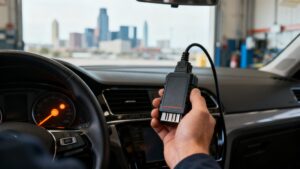
Your vehicle's alternator is the unsung hero of its electrical system, acting like a miniature power plant that charges your battery and powers everything from your headlights to your radio. While the battery provides the initial jolt to start the car, the alternator takes over to keep it running and all its electronics functioning properly. When this crucial component begins to fail, it can trigger a cascade of confusing, frustrating, and potentially dangerous problems that can leave you stranded at the worst possible moment. Recognizing the early warnings is the best way to prevent a roadside emergency.
This guide is designed to empower you with the knowledge to spot the most common alternator going bad signs. We will break down the nine critical symptoms, from flickering lights and strange noises to a dead battery that just won't hold a charge. For a more comprehensive guide on detecting these problems, it's crucial to understand how to tell if your alternator is bad. By learning these signs, you can better differentiate them from simple battery issues and understand exactly when it’s time to seek professional help from experts, like the certified technicians at Kwik Kar. Don’t wait for a complete electrical failure; learn to spot these symptoms today.
1. Dimming or Flickering Headlights
Among the most common alternator going bad signs, inconsistent headlight performance is often the first thing drivers notice. Your alternator's primary job is to generate electricity for your car's systems while the engine is running and to maintain the battery's charge. When it starts to fail, its electrical output becomes irregular, causing a noticeable impact on high-draw components like your headlights.

This issue manifests as headlights that dim and brighten erratically. You might see them flicker when you accelerate, or notice the dashboard lights pulse when you turn on the air conditioning or use the power windows. This happens because the failing alternator cannot keep up with the fluctuating electrical demands of the vehicle.
Differentiating from a Battery Problem
A weak battery typically causes dim lights before you start the car, which then brighten once the engine is running and the alternator takes over. In contrast, alternator-related dimming occurs while the engine is running, especially when you add more electrical load.
Key Takeaway: If your lights are dim when starting but brighten up and stay consistent while driving, your battery is likely the culprit. If they flicker and dim while you're already on the road, your alternator is the probable cause.
What To Do Next
Because flickering lights pose a significant safety risk, especially at night, this symptom requires immediate attention.
- Observe Carefully: Note when the flickering happens. Is it when you use the radio, AC, or power windows? This information helps our technicians diagnose the issue faster.
- Avoid Night Driving: Until the problem is resolved, limit your driving to daylight hours if possible to ensure your safety and the safety of others.
- Schedule a Diagnostic: Don’t wait for the problem to worsen. A flickering light is often a precursor to a completely dead alternator, which will leave you stranded. Use Kwik Kar’s online appointment system to schedule a prompt electrical system check with our ASE-certified technicians.
2. Battery Warning Light (Alternator or Battery Icon) on Dashboard
One of the most direct alternator going bad signs is the illumination of the battery warning light on your dashboard. This light, often a red or amber icon shaped like a battery, is a specific alert from your vehicle's computer that there's a problem within the charging system. It activates when the onboard diagnostics detect that the alternator's output voltage is too low, too high, or nonexistent.
The warning system is designed to give you a heads-up before the alternator fails completely, leaving you without power. You might see the light come on and stay on right after starting the car, or it could flicker intermittently while you're driving, especially when using multiple electrical accessories like the radio and air conditioner at the same time.
Differentiating from a Battery Problem
While the icon is a battery, it's more accurately a "charging system" warning. A dying battery might struggle to hold a charge, but it won't typically trigger the light on its own unless it has an internal short or other critical failure. The light is specifically monitoring the voltage output from the alternator. If that output is below the required level (usually around 13.5-14.5 volts), the light comes on to warn you the battery isn't being charged correctly.
Key Takeaway: The battery warning light is almost always an indicator of an alternator issue, a bad voltage regulator, or a problem with the serpentine belt, not just a weak battery. It signals that the system responsible for charging the battery is failing.
What To Do Next
Ignoring this light is a gamble that rarely pays off. It's a clear signal that your car could shut down unexpectedly once the battery's reserve power is depleted.
- Reduce Electrical Load: If the light comes on while driving, turn off non-essential accessories like the stereo, air conditioning, and seat warmers to conserve battery power.
- Drive to a Safe Location: Do not turn the engine off. Head directly to a service center like Kwik Kar or a safe place to stop. Restarting the car may not be possible if the battery is drained.
- Schedule an Immediate Diagnostic: This is not a "wait and see" problem. Bring your vehicle in for a professional voltage test. Our technicians can quickly determine if the alternator, battery, or another component is the cause and get you back on the road safely.
3. Dead or Weak Battery That Won't Hold a Charge
A chronically weak or dead battery is one of the most definitive alternator going bad signs. While batteries naturally wear out over time, a failing alternator can cause even a brand-new battery to die repeatedly. The alternator’s job is to replenish the battery’s charge while the engine is running. If it isn't generating enough power, the vehicle will draw directly from the battery until it’s completely drained, leaving you unable to start your car.
You might find that your car starts after a jump, but dies again after a short drive. Or perhaps you installed a new battery, only to have it fail within days or weeks. These scenarios point toward an electrical system that isn't recharging itself, with the alternator being the most likely source of the problem.
Differentiating from a Battery Problem
A bad battery will typically fail to hold a charge overnight and may struggle to start the car even after being driven. It will often test as "bad" or "weak" at an auto parts store. In contrast, an alternator issue can drain a battery that is otherwise in perfect health. The key difference is that with a bad alternator, the battery depletes while the car is running.
Key Takeaway: If a new battery dies or a known-good battery repeatedly fails to hold a charge after driving, the alternator is almost certainly the culprit. Replacing the battery without addressing the alternator will only lead to another dead battery.
What To Do Next
A dead battery can leave you stranded, so addressing this symptom quickly is essential to avoid repeated jump-starts and potential damage to other electrical components.
- Test Both Components: Never assume it's just the battery. Before you buy a replacement, have a professional perform a comprehensive electrical system check that tests both the battery's health and the alternator's output.
- Avoid Repeat Replacements: If you've already replaced the battery and the problem persists, do not buy another one. This is a clear sign that the charging system is the root cause and needs immediate professional attention.
- Schedule a Diagnostic: The most efficient way to solve the issue is to get an expert diagnosis. At Kwik Kar, our ASE-certified technicians can accurately identify whether the fault lies with your alternator, battery, or wiring, ensuring you only pay for the repair you truly need.
4. Burning Smell or Burning Rubber Odor from Engine Bay
One of the more alarming alternator going bad signs is a distinct burning smell coming from under the hood. This odor, often described as burning rubber or an acrid electrical scent, is a critical warning that the alternator is overheating and requires immediate attention. This heat is generated when internal components like the stator, rotor, or rectifier fail, or when the bearings seize, causing excessive friction.

This dangerous level of heat can melt the wire insulation and damage other plastic components within the engine bay. You might notice the smell becomes stronger when you accelerate or run multiple accessories at once, like the air conditioning and stereo. The alternator’s drive belt can also overheat and slip, creating a burning rubber smell as it struggles to turn a seized alternator pulley.
Differentiating from Other Engine Smells
While various fluid leaks can cause burning smells, an alternator issue is typically more electrical or rubber-like. A burning oil smell is sharp and acrid, while burning coolant has a uniquely sweet scent. An alternator-related odor is specifically tied to heated plastic, wires, or the serpentine belt.
Key Takeaway: If the smell is like hot rubber or melting electrical components and is accompanied by other symptoms like flickering lights or a battery warning light, the alternator is almost certainly the source. This is not a symptom to ignore, as it can pose a fire risk.
What To Do Next
A burning smell from the engine is a serious safety concern that signals an imminent and catastrophic failure.
- Pull Over Safely: As soon as you detect a burning smell, find a safe place to stop the vehicle and turn off the engine. Let it cool down completely before attempting to inspect anything.
- Do Not Continue Driving: An overheating alternator can cause a fire or damage other critical engine components. Continuing your trip is not worth the risk.
- Schedule Emergency Service: This situation requires professional diagnosis. Call for a tow to a trusted repair shop like Kwik Kar immediately. Our technicians can safely inspect the alternator, belt, and wiring to prevent further damage.
5. Electrical Accessories Malfunctioning or Behaving Erratically
Beyond just the lights, a failing alternator often reveals itself through the erratic behavior of other powered systems. Your car’s power windows, radio, locks, and wipers all depend on the steady stream of electricity the alternator provides. When its output becomes insufficient or unstable, these accessories may start to malfunction in strange ways, which is one of the clearest alternator going bad signs.
This issue often appears when you use multiple accessories at once. For instance, you might notice your power windows slow to a crawl if the air conditioning is running, or your radio might cut out when you turn on the windshield wipers. The alternator simply can’t meet the combined electrical demand, forcing it to ration power unpredictably among the active systems.
Differentiating from a Fuse or Component Problem
If only one accessory is malfunctioning, like just the radio, the issue is more likely a blown fuse or a problem with that specific component. However, when multiple, unrelated accessories act up simultaneously or when using another system triggers the problem, the alternator becomes the prime suspect. A failing component won't typically affect the performance of others.
Key Takeaway: Random, widespread electrical issues affecting multiple accessories are a strong indicator of a charging system failure. A problem with a single accessory usually points to a more isolated fault, not a bad alternator.
What To Do Next
Ignoring these symptoms can lead to more significant electrical damage or leave you stranded when the alternator fails completely.
- Test and Observe: Pay attention to which combinations of accessories trigger the problem. Does using the power windows affect the radio? Do the wipers slow down when the heater is on? This information helps our technicians pinpoint the issue.
- Limit Accessory Use: If you suspect an alternator problem, reduce your vehicle’s electrical load by turning off the radio, AC, and other non-essential systems to conserve power until it can be inspected.
- Schedule a Diagnostic: Don't replace individual components hoping to fix the problem. Schedule an appointment with Kwik Kar for a complete electrical system diagnostic. We can accurately test your alternator's output and confirm if it’s the source of the electrical gremlins.
6. Growling or Whining Noise from Engine Compartment
Unusual sounds coming from under the hood are clear indicators that something is wrong, and they are one of the more urgent alternator going bad signs. Your alternator has several internal moving parts, including bearings that allow its rotor to spin freely at high speeds. When these components begin to fail due to wear and tear, they produce distinct noises that are separate from the normal hum of the engine.
These sounds often present as a high-pitched whining that rises and falls with your engine's RPM, or as a deep growling or grinding noise. A grinding sound points to worn-out bearings, while a whining noise can signal that the voltage regulator is sending too much current to the rotor. A squealing noise could also be a worn serpentine belt slipping on the alternator pulley.
Differentiating from Other Engine Noises
Engine compartments can be noisy, but alternator-related sounds are specific. A bad power steering pump might whine when you turn the wheel, and a failing water pump often makes a rumbling sound. However, a failing alternator's growl or whine is typically constant while the engine is running and often changes pitch as you accelerate or decelerate.
Key Takeaway: If you hear a persistent grinding or whining sound from the front of your engine that changes with engine speed, it's a strong indication of internal mechanical failure within the alternator.
What To Do Next
Mechanical noises from an alternator suggest that a complete failure is imminent, which will stop your battery from charging and leave you stranded.
- Listen Carefully: Note the specific sound (whining, grinding, or squealing) and when it occurs. Does it get louder with acceleration? Providing this detail helps our technicians pinpoint the problem faster.
- Limit High RPMs: Avoid aggressive acceleration, as this can speed up the mechanical failure of the dying bearings.
- Schedule an Inspection: Do not ignore these auditory warnings. Use Kwik Kar’s online appointment system to book an electrical system check. Our technicians can diagnose the source of the noise and determine if a repair or replacement is needed before it fails completely.
7. Difficulty Starting or Slow Engine Cranking
When your car takes longer than usual to start or the engine cranks sluggishly, it’s a classic sign of an electrical system issue. While many people immediately suspect the battery, a failing alternator is often the root cause. Its job is to recharge the battery as you drive, and if it fails, the battery won't have enough power to turn the starter motor effectively.
This problem often develops gradually. At first, you might notice the engine turns over just a bit slower in the morning. As the alternator deteriorates, this slow cranking becomes more pronounced until one day you hear only a clicking sound or the engine won’t start at all. This happens because the alternator isn't replenishing the battery's charge, leaving it progressively weaker after each start.
Differentiating from a Battery Problem
A dead battery and a bad alternator can present with identical symptoms, but a simple test can help point you in the right direction. If you can jump-start the car and it runs fine but then fails to start again the next day, the alternator isn't doing its job of recharging the battery. A battery that dies on its own, without being drained by a failing alternator, may not hold a charge even after being jumped.
Key Takeaway: If a jump-start gets you running but the starting problem returns soon after, your charging system is the likely culprit. A bad battery often won't start reliably even after a jump.
What To Do Next
A vehicle that struggles to start is unreliable and can leave you stranded without warning. This is one of the alternator going bad signs that requires prompt action.
- Test the Battery First: A quick battery test at an auto parts store or at Kwik Kar can confirm its health. If the battery is good, the alternator is almost certainly the problem.
- Avoid Repeated Cranking: Trying to start the engine repeatedly will drain any remaining power from the battery and can potentially damage the starter motor.
- Schedule a Diagnostic: The only way to be certain is with a professional electrical system test. Our technicians can measure the alternator’s voltage output and check the entire charging system to provide an accurate diagnosis and prevent you from being stranded. Use Kwik Kar's convenient online scheduling to book a service appointment.
8. Visible Corrosion or Damage on Alternator or Battery Terminals
Sometimes, the most obvious alternator going bad signs are the ones you can see with your own eyes. A quick visual inspection under the hood can reveal physical issues that directly impact your vehicle's charging system. Corrosion, buildup, or clear damage to the alternator or battery terminals can severely impair electrical connections and hint at deeper problems.

While corroded battery terminals don't automatically mean the alternator is failing, they create significant resistance in the electrical system. This resistance makes it harder for the alternator to charge the battery and power your car, potentially mimicking alternator failure symptoms or making an existing problem much worse. Additionally, visible damage to the alternator itself, such as a cracked housing, melted plastic, or burn marks, is a definite sign of internal failure.
Differentiating from a Simple Maintenance Issue
Corrosion on a battery terminal is a common maintenance item that can be cleaned. If cleaning the terminals and tightening the connections resolves your electrical issues, the alternator is likely fine. However, if the corrosion quickly returns or if electrical problems persist after cleaning, it could indicate the alternator is overcharging the battery, causing it to vent acidic gas that accelerates corrosion.
Key Takeaway: Heavy or recurring corrosion on battery terminals can be a symptom of an overcharging alternator. Clean terminals are a good first step, but if problems continue, the alternator is the probable cause of the underlying issue.
What To Do Next
A visual inspection is a simple yet effective diagnostic step. If you spot anything that looks out of place, it’s time to act.
- Document What You See: Take a clear photo of any corrosion, melted plastic, or other damage. This gives our technicians a valuable head start when you bring your vehicle in.
- Request an Inspection: During your next routine maintenance visit, like an oil change at Kwik Kar, ask our team to specifically inspect the alternator and battery connections.
- Schedule a Diagnostic: Don’t ignore physical damage. A compromised alternator is an unreliable one. Schedule a full electrical system check to determine the extent of the problem and prevent a breakdown on the road.
9. Strange Smells Inside Vehicle Cabin
While burning smells are often associated with the engine bay, one of the more subtle alternator going bad signs can manifest as an unusual odor inside your vehicle's cabin. This happens when the alternator is severely overworked, causing its internal electrical components to overheat. The heat can melt the insulation on the wires, break down solder connections, and damage other materials, releasing distinct and concerning smells.
These odors are often described as burnt plastic, a strong chemical smell, or a metallic burning scent. You might notice the smell near the dashboard vents when the air conditioning is running or near the steering column. The odor may appear intermittently, becoming more noticeable when you use multiple electrical accessories at once, placing a greater load on the failing alternator.
Differentiating from Other Cabin Odors
Strange cabin smells can come from various sources, such as the HVAC system (a musty smell from mold) or a leaking heater core (a sweet, antifreeze smell). An electrical burning smell, however, is very specific. It points directly to an overheating component, and the alternator is a prime suspect if other electrical symptoms are also present.
Key Takeaway: If you smell burnt plastic or an acrid chemical odor that strengthens when you turn on accessories like the radio or AC, it’s a strong indicator that an electrical component, likely the alternator, is overheating and requires immediate inspection.
What To Do Next
An electrical burning smell is a serious safety concern that signals a potential fire hazard. Do not ignore this symptom.
- Pinpoint the Trigger: Pay close attention to when the odor appears. Does it coincide with using the heater, power windows, or another high-draw system? This information is critical for diagnosis.
- Reduce Electrical Load: If you notice the smell, turn off non-essential accessories like the radio and air conditioning to reduce the strain on the electrical system.
- Schedule an Inspection: A persistent strange smell indicates a significant problem. Contact Kwik Kar immediately to have our ASE-certified technicians perform a comprehensive electrical system diagnostic to prevent further damage or a vehicle fire.
9-Point Alternator Failure Signs Comparison
| Symptom | 🔄 Diagnosis Complexity | ⚡ Resource / Time Required | 📊 Expected Outcome if Addressed | 💡 Ideal use case / tip | ⭐ Indicator Strength |
|---|---|---|---|---|---|
| Dimming or Flickering Headlights | Medium — intermittent electrical load testing needed | Low–Medium — multimeter/load test, short road check | Restored stable lighting; confirms charging/wiring fault | Note when it worsens with accessories; avoid night driving until checked | ⭐⭐⭐⭐ |
| Battery Warning Light on Dashboard | Low — obvious warning but requires diagnostic to locate cause | Low — voltmeter/charging system test (quick) | Identifies charging fault; enables planned repair | Do not ignore; have alternator/battery tested immediately | ⭐⭐⭐⭐ |
| Dead or Weak Battery That Won't Hold a Charge | Medium — must distinguish battery wear vs alternator drain | Medium — battery tester, alternator output/load testing | Prevents repeat breakdowns; reveals root cause (battery or alternator) | Test both battery and alternator before replacing battery | ⭐⭐⭐ |
| Burning Smell or Burning Rubber from Engine Bay | High — urgent inspection to pinpoint overheated component | Medium — stop vehicle, professional inspection, possible tow | Prevents fire risk; likely alternator replacement or wiring repair | Stop driving immediately and seek emergency service | ⭐⭐⭐⭐ |
| Electrical Accessories Malfunctioning or Erratic Behavior | Medium — pattern recognition across multiple circuits | Medium — diagnostic scan, load tests on accessories | Restored accessory reliability if charging is root cause | Test accessories individually and in combination; avoid piecemeal repairs | ⭐⭐⭐ |
| Growling or Whining Noise from Engine Compartment | Medium — auditory diagnosis then mechanical inspection | Medium — mechanic inspection, belt/pulley/alternator bearing check | Prevents mechanical seizure; confirms bearing or pulley failure | Note exact noise type and RPM correlation for technician | ⭐⭐⭐⭐ |
| Difficulty Starting / Slow Engine Cranking | Medium — may be battery or charging-system related | Medium — battery/alternator voltage tests, starter check | Restores reliable starting; avoids being stranded | Test battery first; if jump-start helps, suspect charging system | ⭐⭐⭐ |
| Visible Corrosion or Damage on Alternator or Battery Terminals | Low — visual inspection during routine maintenance | Low — cleaning tools, tightening hardware; inspect alternator housing | Improves connections; may reveal advanced alternator damage | Clean/tighten terminals and document damage for tech review | ⭐⭐ |
| Strange Smells Inside Vehicle Cabin | High — source localization can be difficult (HVAC or wiring) | Medium — HVAC and electrical diagnostics, cabin inspection | Identifies interior electrical overheating; prevents component damage | Note when/where smell appears and avoid using affected circuits | ⭐⭐ |
Your Next Step: From Diagnosis to Dependable Driving
Navigating the complexities of your vehicle’s electrical system can feel daunting, but understanding the alternator going bad signs is a powerful first step toward maintaining your car's reliability. The nine signs we've explored, from the obvious battery warning light to more subtle clues like strange smells or erratic accessory behavior, collectively form a diagnostic roadmap. You are now equipped to listen to your vehicle and recognize when it's asking for help.
Key Takeaways and Actionable Insights
The most critical takeaway is that these symptoms rarely appear in isolation. A single sign, like a weak battery, could have multiple causes. However, when you notice a combination of issues such as dimming headlights paired with a whining noise from the engine, the alternator becomes the primary suspect.
Your role as a car owner is not to perform a complex electrical repair on the side of the road, but to be an informed observer. By noting which specific symptoms you've experienced, you can provide valuable information to a technician, which leads to a faster and more accurate diagnosis. This prevents unnecessary expenses, like replacing a perfectly good battery when the alternator was the true culprit all along.
Pro Tip: Don't ignore the early warnings. An alternator often gives signs of failure for days or even weeks before it quits completely. Acting on these initial signals, such as intermittent flickering lights or a faint growling sound, can prevent a stressful breakdown and a potential tow truck bill.
Moving from Awareness to Action
Observing these signs is the beginning; taking decisive action is the crucial next step. Ignoring a failing alternator is not just an inconvenience, it's a risk. A complete failure will drain your battery quickly, leaving you stranded without power for your engine, lights, or safety systems. This is especially dangerous during night driving or in harsh weather conditions.
The definitive solution is a professional electrical system test. This procedure is quick, non-invasive, and provides a clear verdict on the health of your alternator, battery, and starter. It measures the voltage output of your alternator under various loads, confirming whether it’s producing the necessary electrical current to power your vehicle and recharge the battery. Attempting to guess can be a costly mistake.
By learning to recognize these alternator going bad signs, you transition from being a passive driver to an engaged and proactive vehicle owner. This knowledge empowers you to seek professional help before a minor issue escalates into a major, trip-ending failure. Ultimately, this vigilance ensures your vehicle remains a dependable asset for your daily commute, family trips, and everything in between, giving you peace of mind every time you turn the key.
Don't let a failing alternator leave you stranded. If you've noticed any of these signs, the certified technicians at Kwik Kar Oil Change and Auto Care can perform a complete electrical system diagnosis to pinpoint the problem. Schedule your visit today for expert service and reliable repairs that get you back on the road with confidence.