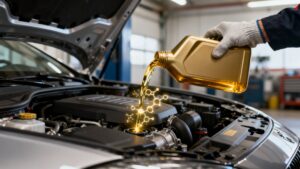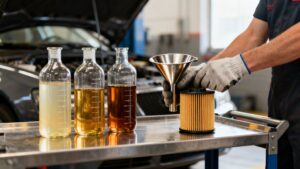
Sticking to a consistent Ford Fusion maintenance schedule is pretty straightforward. The key is performing basic services, like an oil change, every 7,500 miles and planning for more detailed inspections at major milestones like 30,000, 60,000, and 100,000 miles. Following this routine is hands-down the best way to keep your sedan reliable and running strong.
Your Quick Reference Ford Fusion Maintenance Schedule
Figuring out your Ford Fusion's service needs shouldn't be a headache. The factory schedule is built around key mileage intervals, which makes it simple to know what’s coming up for your car. Think of it this way: each service builds on the last, creating a complete care plan that stops small issues from turning into big, expensive repairs.
This visual gives you a great snapshot of the key milestones for your Fusion.

As you can see, routine care starts early on. Major component checks and replacements are spaced out strategically to protect your car's long-term health. For a quick lookup, the table below breaks down the essential services at each major interval.
Ford Fusion Maintenance Schedule At a Glance
This table gives you a summary of the most important services for most Ford Fusion models, specifically those from 2008 and newer. If you want a complete rundown of what's included in each service, you can also take a look at our general car maintenance checklist.
| Mileage Interval | Key Services Required | Primary Goal |
|---|---|---|
| 7,500 Miles | Oil & filter change, tire rotation, multi-point inspection. | Maintain engine health and ensure even tire wear. |
| 30,000 Miles | Replace engine & cabin air filters, plus all 7.5k services. | Improve engine efficiency and cabin air quality. |
| 60,000 Miles | Inspect battery & brakes, plus all 30k services. | Address wear on critical safety components. |
| 100,000 Miles | Replace spark plugs & engine coolant; inspect belts. | Restore engine performance and prevent overheating. |
| 150,000 Miles | Change automatic transmission fluid; replace drive belts. | Protect the transmission and critical engine accessories. |
The absolute cornerstone of this entire schedule is the oil change. For Dallas drivers who spend their time on busy routes like I-35 or the LBJ Freeway, this service is completely non-negotiable.
The average annual maintenance cost for a Ford Fusion hovers around $582, which makes proactive oil changes a very smart and cost-effective way to dodge much larger repair bills down the road. For models from 2008 and newer, Ford recommends getting that oil and filter changed every 7,500 miles or six months. This consistent upkeep is your number one strategy for keeping that Fusion running smoothly for years to come.
Core Services Every 7,500 to 10,000 Miles
This is your Fusion’s most frequent and arguably most important service window, occurring every 7,500 to 10,000 miles. Think of this interval as the foundation for keeping your car healthy and reliable. Sticking to this schedule addresses the most common wear items and stops small problems before they become expensive headaches.
The absolute most critical service during this visit is the oil and filter change. Your engine's oil is its lifeblood. It lubricates all the moving parts, helps keep the engine cool, and cleans away harmful deposits. But over time, that oil breaks down and gets saturated with contaminants, losing its ability to protect your engine.
If left too long, old oil can turn into a thick, gooey substance called engine sludge. This is a serious problem that can clog vital oil passages and lead to catastrophic engine damage.

Using the right type of oil—whether it's the synthetic blend or full synthetic recommended in your owner's manual—is non-negotiable. It ensures your engine runs as it should, guards against premature wear, and can even help with gas mileage. Just one missed oil change can dramatically accelerate engine wear.
Tire Rotation and Multi-Point Inspection
Along with fresh oil, your car will get a tire rotation. This is a straightforward process where we move each tire to a new position on the car. It’s a simple but vital step.
Because the front tires on a Fusion handle steering and most of the braking force, they wear out faster than the rears. Rotating them ensures they all wear down at an even rate. This not only extends the life of your tires, saving you money, but it also keeps the car’s handling balanced and safe.
Finally, every visit at this interval includes a thorough multi-point inspection. This is where our technicians put a trained set of eyes on your vehicle's most important systems, looking for any early signs of trouble. It’s a proactive measure that gives you peace of mind. A typical inspection includes:
- Fluid Levels: We'll check and top off your key fluids like brake fluid, coolant, and windshield washer fluid.
- Brake System: This involves a visual inspection of your brake pads and rotors to make sure you have plenty of stopping power left.
- Hoses and Belts: We look for any cracks, fraying, or leaks that could leave you stranded if they failed unexpectedly.
- Exhaust System: A quick check for leaks or damage is done to ensure your car is running efficiently and quietly.
This routine check gives us a complete snapshot of your Fusion's health. If you want to know more about what a high-quality service entails, you can read our guide on the 17-Point Oil Change process, which covers these inspection points in much greater detail. Taking care of these foundational services is your best defense against surprise breakdowns and big repair bills.
The First Major Service At 30,000 Miles
When your Ford Fusion hits 30,000 miles, it’s time for its first truly significant service appointment. This isn't just another oil change. While we’ll certainly handle the basics like fresh oil, a new filter, and a tire rotation, this milestone introduces a few critical new checks designed to keep your engine running efficiently and your cabin air fresh.
Think of it as moving from basic upkeep to preventative care. We're getting ahead of wear and tear before it turns into a real problem down the road. Two of the most important new tasks on the list are replacing the engine air filter and the cabin air filter. Your car needs to breathe just like you do, and these filters are what keep the air clean—one for the engine, and one for you.
Engine and Cabin Air Filter Replacement
Your Fusion's engine needs a steady flow of clean air to properly mix with fuel and create power. The engine air filter acts as a bodyguard, blocking dust, bugs, and all sorts of road grime from being sucked into the heart of your engine. When that filter gets clogged, it’s like trying to run a marathon while breathing through a straw; the engine is starved for air and has to work much harder.
Replacing a dirty engine air filter is one of the simplest ways to restore performance. A restricted filter can hurt acceleration by up to 11% and negatively impact overall fuel economy.
This simple service is key to keeping your Fusion feeling responsive and efficient. If you've noticed your car feels a little lazy when you step on the gas or you're visiting the pump more often, a dirty air filter is a very common culprit.
Meanwhile, the cabin air filter does the same job for the air you and your passengers breathe inside the car. It cleans the air coming through your vents, trapping dust, pollen, and other pollutants. This is a huge deal for anyone with allergies, especially here in Dallas. If you've noticed a funky, musty smell or the airflow from your AC isn't what it used to be, it's definitely time for a new cabin filter.
Deeper Fuel and Exhaust System Inspections
Beyond swapping out filters, the 30,000-mile service on your Ford Fusion maintenance schedule calls for a much closer look at other vital systems. Our technicians will dig a little deeper, paying close attention to:
- Fuel System Inspection: This involves a thorough check of all the fuel lines and connections. We're looking for any hint of a leak or damage. A sound fuel system is non-negotiable for both safety and peak engine performance.
- Exhaust System Inspection: We’ll give the entire exhaust—from the pipes to the muffler and catalytic converter—a careful once-over. We’re hunting for rust, holes, or loose connections that can cause dangerous fume leaks or that loud, embarrassing rattling noise.
Hitting 30,000 miles is the perfect time for these deeper inspections. A clogged engine air filter can cause a 10-15% drop in your MPG, while a fresh cabin air filter can remove up to 99% of airborne pollen and pollutants—a lifesaver for Dallas families during allergy season. You can discover more insights on Fusion service intervals at sealight-led.com to see how all these services build on each other.
Once your Ford Fusion hits the 60,000-mile mark, the type of maintenance it needs starts to change. We move beyond the early-stage preventative stuff and begin looking at parts that have put in a lot of work and are starting to show their age. Think of this part of the Ford Fusion maintenance schedule as keeping your car safe and dependable as it settles into its long-term journey.
Of course, we'll still handle all the services from the 30,000-mile check-up, like your oil change, tire rotation, and fresh filters. But now, it’s time to give some serious attention to the electrical and braking systems. These components work hard every time you drive, and 60,000 miles is when they really need a detailed look to prevent a sudden failure or, worse, a dangerous loss of stopping power.
The 60,000 Mile Checkpoint: Key Wear Items
As we get to this milestone, our attention broadens to a couple of critical components that are often getting close to the end of their first tour of duty. Checking them now is always a better plan than waiting for a breakdown.
- Battery Inspection and Testing: The typical car battery only lasts about 3 to 5 years, which means the 60,000-mile service is the perfect time for a health check. We’ll test its ability to hold a solid charge and inspect the terminals for any corrosion that could leave you stranded.
- Brake System Inspection: Your brake pads have made tens of thousands of stops by this point. We’ll measure their thickness and check the rotors for any warping or wear to make sure your stopping power is still at 100%.
A battery that’s on its way out often gives small hints. You might notice your headlights seem a little dim when the engine’s off, or the car turns over a bit slower on a cold Dallas morning. Similarly, worn brake pads will usually make their presence known with a high-pitched squeal or a grinding sound when you hit the pedal.
Advancing to the 90,000 Mile Service
When your Fusion rolls toward 90,000 miles, it’s time to focus on the ignition system and other parts critical for a smooth-running engine. This service is all about restoring performance and heading off the misfires and rough idling that can pop up in higher-mileage cars. The main event here is replacing the spark plugs.
Putting off a spark plug change can cause a whole list of problems, from bad gas mileage and sluggish acceleration to even damaging the catalytic converter—a fix that can run you over $1,000.
Fresh spark plugs deliver a strong, consistent spark, which is exactly what your engine needs for efficient combustion. It's a simple replacement that can make an older engine feel much younger, boosting both power and fuel economy. While we're in there, we handle a few other key checks.
Key Services at 90,000 Miles:
- Spark Plug Replacement: This restores your engine’s efficiency and stops misfires before they start.
- Hose Inspection: We give all the coolant and vacuum hoses a thorough inspection, looking for cracks, brittleness, or soft spots that could spring a leak.
- Timing Belt/Chain Inspection: For Fusions that apply, this is a vital check. Most models use a very durable timing chain, but we still inspect it for any signs of stretch or wear that could throw off your engine's timing.
This approach of building on previous services creates a complete safety net for your vehicle. It’s how we make sure your Ford Fusion stays reliable for the trip to 100,000 miles and beyond. If you’re getting close to these milestones, you can easily schedule your service at Kwik Kar and let our expert technicians give your car the attention it deserves.
The Critical 100,000-Mile Service for Long-Term Health
Hitting 100,000 miles in your Ford Fusion is a huge milestone. It’s not just another number on the dashboard; it’s proof of the car’s durability and your consistent care. If you want your Fusion to have what it takes to see 200,000 miles and beyond, this service is the most important one on the Ford Fusion maintenance schedule. We’re talking about replacing key fluids and parts that have put in a decade or more of hard work.

This major service is all about getting ahead of wear and tear on the powertrain and cooling system before a small problem becomes a complete failure. It’s much more than just an oil change and a quick look-over. We target the components that are hitting the end of their original lifespan. Think of it as a reset for your car's most vital systems.
Transmission Fluid and Coolant Replacement
At this stage, two of the most critical jobs are replacing the automatic transmission fluid and the engine coolant. For years, these fluids have been protecting your car's most expensive parts, but by 100,000 miles, their ability to do that job has seriously faded.
The automatic transmission fluid is what allows the complex web of gears and clutches in your transmission to shift smoothly. Over time, heat breaks this fluid down, and it gets contaminated with tiny metal particles. Driving with old, burnt fluid is asking for jerky shifts, overheating, and eventually, a dead transmission—a repair that can easily run into thousands of dollars.
Similarly, your engine coolant (or antifreeze) is what keeps your engine from overheating in the brutal Texas summer and from freezing in the winter. Just as important, it’s packed with anti-corrosion additives that protect the radiator, water pump, and engine block from rusting from the inside. By this mileage, those additives are long gone, leaving your entire cooling system exposed. A simple coolant flush is cheap insurance against a painful bill for a new radiator or water pump.
Expert Tip: After this first major service at 100,000 miles, Ford recommends you change the engine coolant every 50,000 miles or every three years. This is the key to keeping the cooling system healthy for the rest of your Fusion's life.
Key Replacements at the 100,000-Mile Mark
This checklist covers the main replacements and checks that will give your high-mileage Fusion a new lease on life. Taking care of these items now is how you ensure it runs reliably for the next 100,000 miles.
| Component/Fluid | Service Action | Reason for Service |
|---|---|---|
| Spark Plugs | Replace All Plugs | Restores engine performance, improves fuel economy, and prevents misfires that can destroy the catalytic converter. |
| Engine Coolant | Drain and Replace | Prevents engine overheating and stops internal corrosion in the cooling system. |
| Transmission Fluid | Change Fluid and Filter | Ensures smooth gear shifts, prevents transmission overheating, and extends the life of the transmission. |
| Accessory Drive Belts | Inspect and Replace if Worn | Prevents an unexpected breakdown of critical parts like the alternator, water pump, and power steering. |
| Suspension Components | Thoroughly Inspect | Checks for worn shocks, struts, and bushings that ruin ride quality, compromise safety, and cause uneven tire wear. |
| Timing Chain | Inspect for Wear/Stretch | While the Fusion's timing chain is built to last, an inspection confirms it isn't stretched, which can cause major engine performance issues. |
This service is all about setting your car up for long-term success. By sticking to the Ford Fusion maintenance schedule up to and through this critical point, you are making a direct investment in its future. If your Fusion is getting close to this impressive milestone, don’t put it off. You can schedule an appointment with our expert technicians at Kwik Kar to make sure every component gets the professional care it needs.
DIY Maintenance Versus Professional Auto Service
Following the Ford Fusion maintenance schedule doesn’t have to mean a trip to the shop for every little thing. Plenty of owners get real satisfaction—and save a few bucks—by tackling the basics themselves. But it’s critical to know where to draw the line between a simple weekend job and a complex service that needs a professional technician and their specialized tools.
Knowing which jobs you can handle at home is empowering. These tasks usually require just a few basic tools, carry very little risk, and are a great way to stay in tune with your Fusion’s health.
Simple DIY Maintenance Tasks
Most Ford Fusion owners can comfortably handle several routine checks and replacements right in their own driveway or garage. These small jobs make a huge difference in your car's daily performance and, more importantly, its safety.
Common DIY-Friendly Jobs:
- Topping Off Fluids: Checking and adding windshield washer fluid is as easy as it gets. You can also keep an eye on your engine coolant in the reservoir, but always remember to open the cap only when the engine is completely cool.
- Checking Tire Pressure: Grab a simple tire gauge and make sure your tires are inflated to the recommended PSI. You'll find that number on the sticker inside your driver's side door jamb. It’s a five-minute check that is absolutely vital for safety and fuel economy.
- Replacing Air Filters: Your engine air filter and cabin air filter are typically in easy-to-reach housings. Swapping them out is a quick task that can instantly boost engine performance and give you cleaner air inside the car.
- Changing Wiper Blades: This is a fast, often tool-free job that’s essential for clear visibility when the Texas weather turns sour.
These tasks help you save a little money and get to know your vehicle better. For those interested in getting their hands a bit dirtier, you can learn about jobs like changing an oil filter in our detailed guide.
When to Trust the Professionals
While rolling up your sleeves is rewarding, certain jobs on the Ford Fusion’s schedule are best left to certified technicians. These services involve complicated systems, serious safety risks, or require expensive, specialized equipment that you just won't find in the average home garage.
Trying to handle complex repairs without the right training or tools can quickly lead to bigger, more expensive problems. Even worse, it can compromise your car’s safety systems. A professional not only does the job right but also performs a full inspection to spot underlying issues you might have missed.
Services Best Left to Kwik Kar Technicians:
- Brake System Repairs: When you're dealing with brake pads, rotors, or calipers, you’re working on one of the most critical safety systems in your car. A professional ensures every component is installed perfectly for reliable stopping power when you need it most.
- Transmission Fluid Flush: This is much more than a simple drain and fill. A true flush uses a machine to exchange 100% of the old, degraded fluid. Using the exact right fluid type is non-negotiable to protect your transmission from damage.
- Timing Belt or Chain Inspection: Just getting to the timing components is a labor-intensive process that demands deep engine knowledge. One small mistake here can lead to catastrophic engine failure.
- Coolant System Flush: A professional flush does more than just drain the radiator. It removes all the old coolant and any corrosion buildup from the entire system—including the engine block and heater core—which is far more effective.
At the end of the day, a balanced approach is the smartest one. Handle the simple checks yourself to stay connected with your car. But when it's time for the heavy lifting, trust our technicians at Kwik Kar. We have the training, tools, and hands-on experience to get the job done right, keeping your Ford Fusion running safely and reliably for years to come.
Frequently Asked Questions About Fusion Maintenance
Even with a detailed schedule in hand, it's natural to have a few questions. Getting a straight answer can make all the difference in how you manage your car's upkeep, budget for costs, and feel confident every time you get behind the wheel. We hear a lot of the same questions from Fusion owners, so let's tackle them head-on.
Think of routine maintenance as a small, predictable investment in your car's future. A simple oil change is affordable, but skipping it can set you up for engine problems that are anything but cheap. Sticking to the schedule is your best defense against those big, nasty repair bills that come out of nowhere.
How Much Should Fusion Maintenance Cost?
Your yearly costs really depend on how much you drive and what services are due. Based on industry data, the average annual cost to maintain a Ford Fusion is right around $582.
That number is an average, blending years with just a couple of oil changes with years that include a major service. For example, you’ll spend less in a year with just basic upkeep, but a bit more when that 60,000-mile service with brake work comes around. The key is that consistent care keeps that average from getting inflated by expensive, avoidable repairs.
Does My Driving Style Affect The Schedule?
Absolutely. That 7,500-mile interval we talk about is for what the industry calls "normal" driving. If your daily routine is a bit more demanding, you fall into the "severe" category and will need to have your car serviced more often.
Severe Driving Conditions Include:
- Frequent Short Trips: If you’re constantly driving less than 10 miles at a time, especially when it's cold, your engine oil never gets hot enough to burn off moisture and contaminants.
- Stop-and-Go Traffic: Anyone who navigates Dallas traffic on routes like the Central Expressway knows what this is. This kind of driving puts a ton of extra strain on your brakes, transmission, and engine.
- Extreme Temperatures: Our intense Texas summers and the occasional winter freeze are tough on your battery, fluids, and belts, causing them to wear out faster.
If this sounds like your daily drive, you should shorten your service intervals. A good rule of thumb is to get your oil changed every 5,000 miles instead of waiting for the 7,500-mile mark.
Can I Do Some Maintenance Myself?
Yes, and we encourage it! Taking care of the simple stuff is a great way to save a little money and stay in tune with your car's health. Checking your tire pressure, topping off washer fluid, and even swapping out your engine and cabin air filters are all very manageable tasks for a Saturday morning. For most DIY jobs beyond the basics, you'll want to have a quality socket and ratchet set on hand.
However, some jobs are best left to the pros. Anything complex like a transmission fluid exchange, brake replacement, or AC service requires specialized tools and diagnostic equipment to be done correctly and safely.
When it's time for the services that need an expert touch, you need a team you can trust. Here at Kwik Kar Oil Change and Auto Care, our skilled technicians have the tools and experience to handle every single item on your Ford Fusion’s maintenance schedule. From a quick oil change to a comprehensive 100,000-mile service, we’ve got you covered.
Schedule your appointment online today and let our team keep your Fusion running like new for years to come.