
You bring your car in for a routine service, and you walk out with a bill that feels twice what it should be. That experience is more common than it should be, and it happens because most car owners don’t know which services carry the biggest markups. Understanding the most common overpriced car repair services puts you in control before you hand over your keys. This article breaks down which services are routinely inflated, how to read a repair quote, and what you can do to stop overpaying starting with your very next service visit.
Table of Contents
- Key takeaways
- How to evaluate car repair pricing and recognize overcharging
- Common overpriced car repair services and their typical markups
- 1. Tire rotation
- 2. Air conditioning recharge and tune-up
- 3. Cabin air filter replacement
- 4. Fluid flushes
- 5. Brake service
- 6. Transmission replacement
- 7. AC compressor replacement
- Dealership vs. independent shop pricing compared
- Tips to avoid overpaying on car repairs
- My honest take on overpriced auto repairs
- Get transparent, fair-priced repairs at Kwik Kar Oil Change & Auto Care
- FAQ
Key takeaways
| Point | Details |
|---|---|
| Itemized estimates protect you | Always request a written, line-item estimate before authorizing any repair work. |
| Routine services carry hidden markups | Services like cabin air filter replacements and flushes are frequently overpriced at dealerships. |
| Labor rates vary widely | Dealerships charge $150–$200/hr vs. independent shops at $80–$120/hr for the same work. |
| Second opinions save real money | Getting a second quote on major repairs like AC or transmission work can save hundreds of dollars. |
| Your manual is your best defense | Cross-referencing manufacturer maintenance schedules helps you reject unnecessary upsells. |
How to evaluate car repair pricing and recognize overcharging
Before you can spot an inflated bill, you need to understand how repair shops build their pricing. Every quote has two main components: parts and labor. Labor is where the most variability lives.
Shops use what the industry calls “book time,” a standardized estimate of how long a repair should take, multiplied by the shop’s hourly rate. The problem is that labor billing based on book time can obscure the actual time a technician spends on your car. A repair that takes 45 minutes in practice might be billed at 1.5 hours because the book says so. That gap is legal, but it’s worth knowing about.
When you receive a quote, look for these red flags:
- Vague line items like “miscellaneous shop fees” with no explanation
- Inflated labor hours that don’t match the complexity of the job
- Parts listed without brand or quality tier (OEM vs. aftermarket)
- Bundled packages that combine services you may not need
- Pressure to authorize work immediately without time to compare
Written, itemized estimates that break out parts costs, labor hours, and the hourly rate are your clearest tool for comparison. Don’t compare totals across shops. Compare line by line. A shop charging $50 less overall might be using cheaper parts while billing more labor hours.
You also have rights. In many states, shops are legally required to get your authorization before adding work or charges beyond the original estimate. Wisconsin repair shops, for example, cannot charge more than the estimate without notifying you first. Check your state’s consumer protection rules before your next visit.
Pro Tip: Ask the shop to separate diagnostic fees from repair costs on your estimate. Some shops roll diagnostic time into labor, which makes it harder to verify whether the diagnosis itself was accurate or necessary.
Common overpriced car repair services and their typical markups
Here are the services most likely to cost you more than they should, along with what drives the markup.
1. Tire rotation
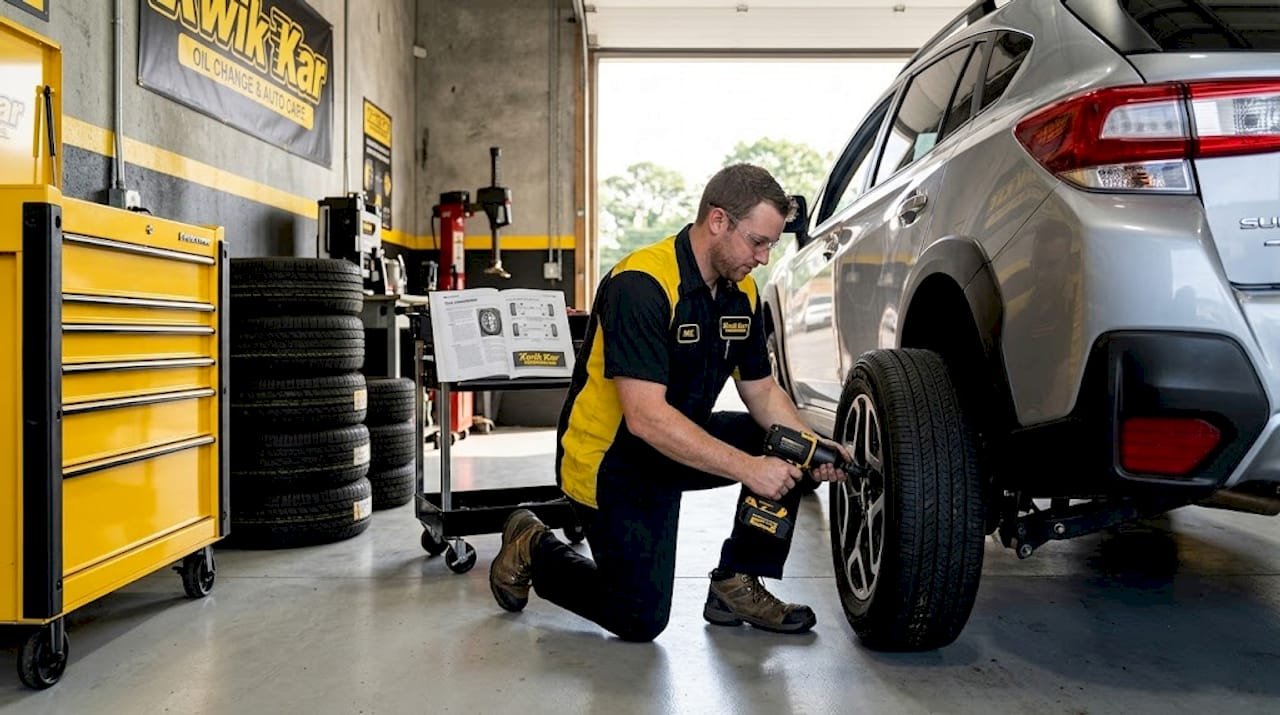
A standard tire rotation should cost between $20 and $50 at most shops. At dealerships, the number climbs. One documented case showed a dealer charging $150 for an EV tire rotation on a GMC Sierra EV after already completing a standard rotation. The added charge was labeled as a special EV procedure, but no meaningful additional work was performed. This is a textbook example of re-labeling routine services to inflate the cost.
2. Air conditioning recharge and tune-up
AC service is one of the most consistently overpriced categories at dealerships. A refrigerant recharge at a dealership typically runs $150–$300, while an independent shop charges $100–$150 for the same service. A full AC tune-up costs $300–$600 at a dealer versus $200–$400 at an independent. The price difference comes almost entirely from labor rate differences, not better parts or superior skill. You can learn more about fair AC repair pricing before you walk into any shop.
3. Cabin air filter replacement
This is one of the easiest DIY tasks on any vehicle, and one of the most marked-up services at dealerships and quick-lube chains. A cabin air filter costs $15–$30 at any auto parts store. Shops routinely charge $50–$100 or more for the replacement, including labor for a job that takes under five minutes. If you own a standard sedan or SUV, this is worth doing yourself.
4. Fluid flushes
Coolant flushes, power steering flushes, and fuel system flushes are frequently recommended at intervals that don’t match your manufacturer’s schedule. Many vehicles don’t require a power steering flush until 75,000 to 100,000 miles, yet some shops recommend it at every other oil change. Always check your owner’s manual before agreeing to any flush service. If it’s not in the manufacturer’s maintenance schedule, it’s likely an upsell.
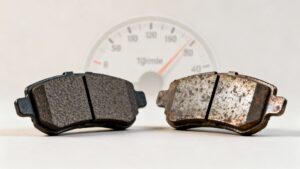
5. Brake service
Brake pad replacement is a legitimate and necessary service, but the pricing range is wide enough to create significant overcharging risk. Parts markup is common here, especially when shops push premium pads without explaining the difference in quality or longevity. Labor hours can also be inflated if a shop bills for rotor resurfacing or replacement when your rotors still have usable life. Ask specifically whether your rotors need replacement or just inspection before authorizing a full brake job.
6. Transmission replacement
This is where costly vehicle repairs reach their peak. Transmission replacement averages $5,700–$6,300 in 2026, making it one of the most expensive repairs a car owner faces. The labor intensity is real, but so is the potential for inflated quotes. Before authorizing a full replacement, ask whether a rebuild or remanufactured unit is an option. Also confirm the diagnosis with a second opinion. Knowing when transmission fluid changes are actually needed can help you avoid premature replacement altogether.
7. AC compressor replacement
This repair sits at the intersection of expensive auto repair issues and poor diagnostic practices. One documented case showed a consumer who paid $325 for a refrigerant recharge and was then told the compressor needed replacement. The first shop quoted $900. A second opinion quoted $2,200 for the same job. That’s not a typo. Two shops, same repair, $1,300 difference. Always get a second opinion before authorizing compressor work. And ask upfront about avoiding double pay on refrigerant if a recharge is followed immediately by a compressor diagnosis.
Pro Tip: When a shop recommends a major repair immediately after a minor service, ask them to document the specific failure and its diagnostic evidence in writing. Legitimate shops will do this without hesitation.
Dealership vs. independent shop pricing compared
Understanding where your money actually goes makes car repair price comparison much easier.
| Service | Dealership price | Independent shop price |
|---|---|---|
| Tire rotation | $50–$150 | $20–$50 |
| AC refrigerant recharge | $150–$300 | $100–$150 |
| AC tune-up | $300–$600 | $200–$400 |
| Cabin air filter replacement | $50–$100 | $25–$60 |
| Brake pad replacement (axle) | $200–$400 | $100–$250 |
| Transmission replacement | $5,700–$6,300 | $4,000–$5,500 |
The core driver of these differences is the labor rate. Dealership labor rates run $150–$200 per hour, while independent shops typically charge $80–$120 per hour. For a two-hour job, that gap alone adds $60–$240 to your bill before parts are even factored in.
Dealerships do have legitimate advantages in specific situations:
- Warranty repairs covered under manufacturer or extended warranties
- Recalls and technical service bulletins that require OEM parts and factory procedures
- Specialized refrigerants like R-1234yf used in newer vehicles that require specific equipment
- Complex electronic systems tied to proprietary software only dealerships can access
Outside of those scenarios, a well-reviewed independent shop with ASE-certified technicians delivers comparable quality at a meaningfully lower price. The key is finding one that provides transparent, written estimates and doesn’t rely on vague package pricing.
Tips to avoid overpaying on car repairs
Protecting yourself from overpriced car maintenance doesn’t require mechanical expertise. It requires asking the right questions and knowing your vehicle.
- Always get a written, itemized estimate before any work begins. Verbal quotes are not binding.
- Cross-reference your owner’s manual before agreeing to any maintenance service. If the manufacturer doesn’t list it, you don’t need it yet.
- Ask about parts quality specifically whether the shop is using OEM, OEM-equivalent, or budget aftermarket parts. Price differences often trace back to this choice.
- Request the labor hours for each line item and verify them against publicly available repair quote breakdowns.
- Get a second opinion on any repair over $500. The time investment is minimal compared to the potential savings.
- Use price benchmarking tools like RepairPal to establish a fair price range before you walk in.
- Consider DIY for simple tasks like cabin air filter replacement, wiper blades, and battery terminals. These are straightforward and well-documented for most vehicles.
- Avoid shops that pressure you to approve additional repairs during the same visit without documentation.
Learning how to choose the best auto repair service before you need one is one of the smartest things you can do as a car owner. Don’t wait until you’re sitting in a waiting room with a $2,000 estimate in your hand to start researching your options.
Pro Tip: Keep a simple log of every service performed on your vehicle, including the date, mileage, shop name, and cost. This record makes it much easier to push back when a shop recommends a service you had done recently.
My honest take on overpriced auto repairs
I’ve seen the same pattern repeat itself hundreds of times. A customer comes in after being quoted an eye-watering number somewhere else, and when we break down the estimate line by line, the issue is almost never the parts. It’s vague labor hours, services bundled into packages with no clear breakdown, and recommendations that don’t align with what the manufacturer actually requires.
What frustrates me most is how avoidable it all is. The information you need to protect yourself is sitting in your glove box. Your owner’s manual tells you exactly what your car needs and when. Most car owners never open it, and some shops count on that.
I’ve also learned that the “premium” framing at dealerships doesn’t always mean premium results. Paying $180 per hour for labor at a dealer doesn’t guarantee better work than paying $100 per hour at a certified independent shop. What matters is the technician’s training, the quality of the parts, and whether the shop communicates honestly before and after the repair.
My advice is simple: treat every estimate like a negotiation. Ask questions. Request documentation. If a shop can’t explain why a service is needed in plain language, that’s your signal to pause. You don’t need to be a mechanic to protect your wallet. You just need to be willing to ask.
— Kwik Kar
Get transparent, fair-priced repairs at Kwik Kar Oil Change & Auto Care
If you’re tired of walking out of a shop wondering whether you paid a fair price, Kwik Kar Oil Change & Auto Care is built for exactly that concern. Every service starts with a written, itemized estimate so you know what you’re paying for before any work begins. The team of ASE-certified technicians provides honest diagnostics and explains findings in plain language, not upsell pressure. From routine maintenance to full auto repair services including AC work, brake jobs, and transmission service, Kwik Kar offers competitive pricing backed by RepairPal and NAPA AutoCare certification. Visit Kwik Kar in Dallas and experience what transparent, trustworthy auto care actually feels like.
FAQ
What are the most common overpriced car repair services?
Cabin air filter replacements, fluid flushes, tire rotations, and AC recharges are among the most frequently inflated services. These routine tasks carry high markups at dealerships and quick-lube chains relative to their actual cost and complexity.
How much more do dealerships charge than independent shops?
Dealership labor rates typically run $150–$200 per hour compared to $80–$120 per hour at independent shops. For most routine services, this translates to a 30–50% higher total bill at the dealership.
When should I get a second opinion on a car repair?
Get a second opinion on any repair quoted above $500, particularly for AC compressor replacements, transmission work, or any diagnosis made immediately after a minor service visit. Price differences between shops on major repairs can exceed $1,000.
How do I know if a recommended service is actually necessary?
Check your vehicle’s owner’s manual for the manufacturer’s recommended maintenance intervals. If a shop recommends a service that isn’t listed in your manual for your current mileage, ask for a written explanation of why it’s needed before authorizing it.
What is “book time” and how does it affect my repair bill?
Book time is a standardized estimate of how long a repair should take, which shops use to calculate labor charges. The actual technician time may be shorter, but you’re billed at the book rate, so asking for the specific labor hours on your estimate helps you verify the charge is reasonable.