
Repair estimates vary by shop because each facility assesses damage, sources parts, and prices labor according to its own standards, tools, and certifications. You might hand the same damaged car to three different shops and receive three quotes that differ by hundreds or even thousands of dollars. That gap is not random. It reflects real differences in inspection depth, parts quality, technician credentials, and how well each shop accounts for modern vehicle complexity. Understanding why shop estimates differ puts you in control of the repair process instead of leaving you guessing.
Why repair estimates vary by shop: inspection depth is the starting point
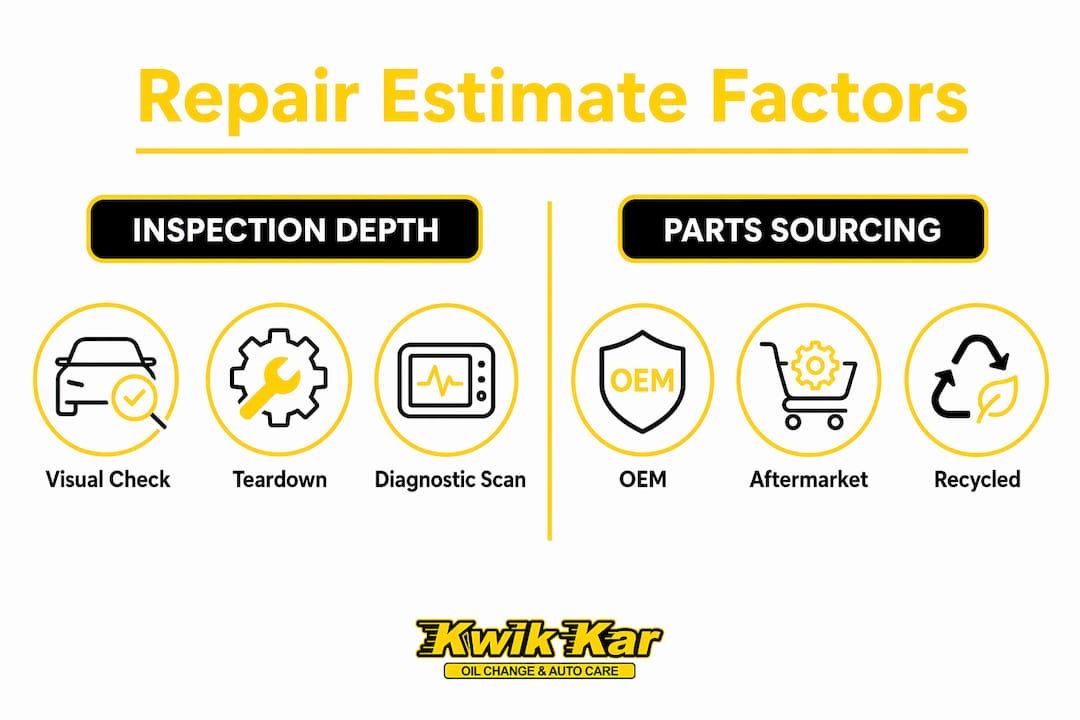
The single biggest driver of estimate variation is how thoroughly a shop inspects your vehicle before writing a number. Some shops price only what they can see during a quick visual walkthrough. Others perform a full teardown before committing to a figure, which means they account for hidden structural or mechanical damage from the start.
Estimates vary because shops assess damage differently: some price only visible damage initially, while others include probable hidden damage early, affecting total cost. A shop that prices aggressively upfront may look expensive on paper, but it is actually reducing the risk of surprise charges once work begins.
Here is what separates a surface-level estimate from a thorough one:
- Visual inspection only: Technician notes dents, scratches, and broken parts visible without disassembly. Fast and low-cost to produce, but frequently incomplete.
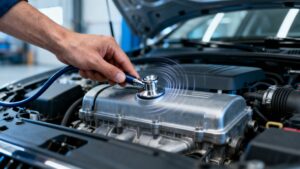
- Diagnostic scanning: Modern vehicles store fault codes after a collision. A scan reveals airbag, ABS, or ADAS system faults that a visual check misses entirely.
- Frame and structural measurement: Shops with frame-measuring equipment can detect millimeter-level misalignment that affects handling and safety long after visible damage is repaired.
- Full teardown estimate: The shop disassembles damaged areas before finalizing the quote. This approach surfaces hidden damage and produces the most accurate total cost.
Pro Tip: Ask every shop whether their estimate includes a diagnostic scan and whether the price will change after teardown. A shop that cannot answer that question clearly is likely working from a visual inspection only.
The practical implication is straightforward. A lower estimate from a shop that skips teardown is not a better deal. It is an incomplete picture that often leads to supplement charges later, extending your repair timeline and adding stress.
How parts sourcing drives repair cost differences
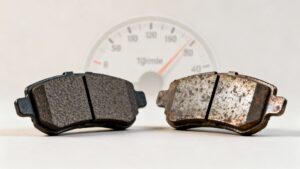
Parts choice is the second major factor in variations in repair pricing, and it is one most car owners do not think to ask about. The three main categories are OEM (original equipment manufacturer) parts, certified aftermarket parts, and recycled or salvage parts. Each carries a different price point and a different set of trade-offs.
| Parts type | Cost level | Quality standard | Best use case |
|---|---|---|---|
| OEM parts | Highest | Factory specification, exact fit | Newer vehicles, warranty coverage, ADAS systems |
| CAPA-certified aftermarket | Moderate | Third-party tested for fit and finish | Cost-conscious repairs on older vehicles |
| Recycled/salvage parts | Lowest | Varies by condition and mileage | Non-structural components with low safety impact |
Parts type influences price and outcome significantly, particularly when ADAS sensors are embedded in components like bumpers, mirrors, and windshields. An aftermarket bumper that does not align to factory tolerances can throw off radar and camera calibration, creating a safety issue that costs more to correct than the original savings justified.
California law, for example, requires itemized written estimates with parts identified as OEM or aftermarket, giving consumers the ability to verify exactly what they are approving. Most states do not have that same requirement, which means you need to ask directly.
Pro Tip: Request that every estimate you receive specifies whether parts are OEM, CAPA-certified aftermarket, or recycled. This single step makes comparing repair quotes across shops far more accurate.
The bottom line on parts: a lower estimate built on uncertified aftermarket components may cost you more in recalibration, warranty issues, or repeat repairs within a year.
Why labor rates and repair procedures vary among shops
Labor is where estimate gaps become hardest to explain without context. Two shops might charge the same hourly rate but produce very different totals because they itemize labor hours differently, follow different repair procedures, or hold different technician certifications.
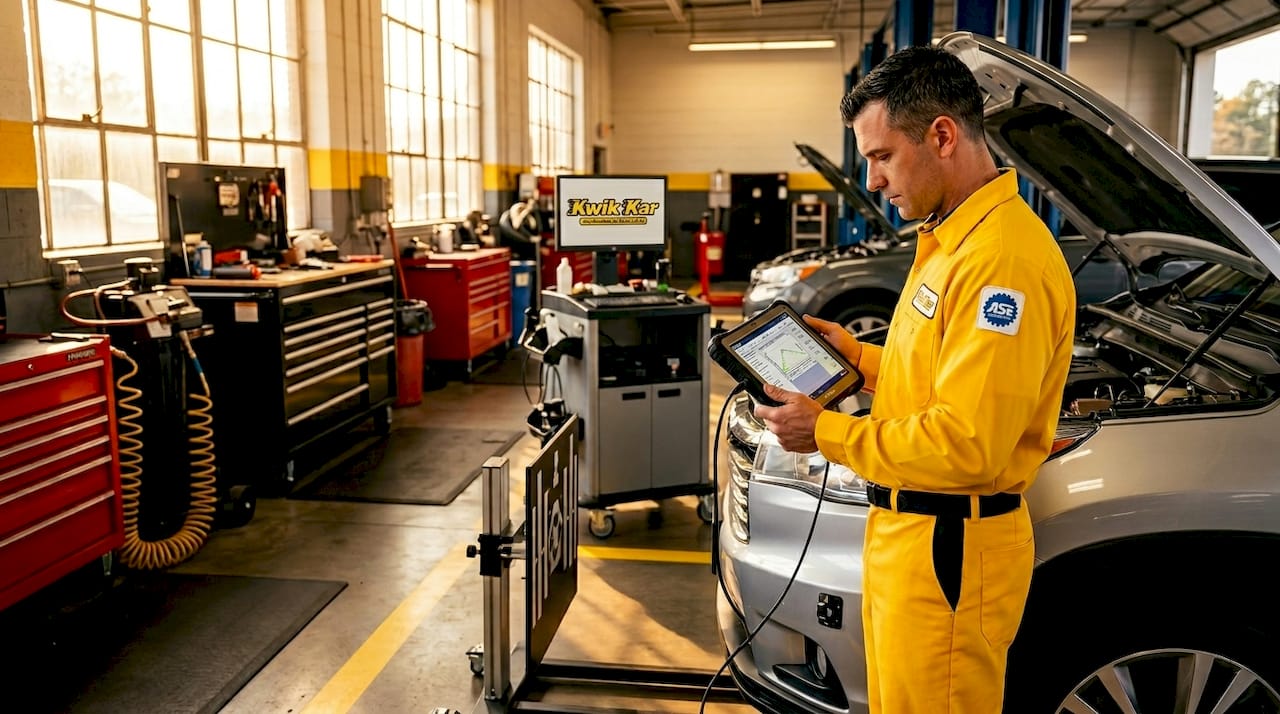
Certified technicians command higher rates for good reason. ASE-certified master technicians complete rigorous testing across multiple vehicle systems. Shops that hold manufacturer certifications, such as those recognized by RepairPal or NAPA AutoCare, are required to follow specific repair procedures that add labor steps but protect vehicle safety and resale value.
Several factors explain why labor costs differ between shops:
- Flat rate vs. actual time: Many shops use industry-standard labor databases to assign flat-rate hours to each repair task. Flat rate labor times may not reflect actual shop rates or the complexity added by technician certification requirements, which means two shops using the same database can still bill differently.
- Facility overhead: Shops with frame-straightening equipment, paint booths, and alignment racks carry higher overhead costs. Those costs are reflected in labor rates.
- ADAS calibration requirements: ADAS features increase repair complexity and cost because sensor calibration and system testing add to both labor and parts requirements. A shop without calibration equipment either skips this step or subcontracts it, and both outcomes affect your final bill.
- Manufacturer-mandated procedures: Some repairs on newer vehicles require specific sequences of steps defined by the automaker. Shops that follow these procedures bill more hours but deliver repairs that meet the original safety standard.
- Regional market rates: Labor rates in Dallas, Texas differ from those in rural areas or high-cost metro markets. Geography alone can account for a 20 to 30 percent difference in labor costs for identical work.
Understanding how auto repair pricing works across these variables helps you evaluate whether a higher labor line item reflects quality or simply higher overhead.
How insurance estimates differ from shop estimates
Insurance estimates and shop estimates are built using different goals and different methods. That gap is one of the most common sources of confusion for car owners after a collision.
Insurance adjusters often work from photos submitted through apps or from a brief physical inspection. They use estimating software that applies standardized labor times and parts prices, which frequently do not reflect what a certified shop actually charges or what your specific vehicle requires.
Here is how the gap typically develops:
- Initial insurance estimate: The adjuster prices visible damage using software defaults. Hidden structural damage, diagnostic scanning fees, and ADAS calibration are routinely omitted at this stage.
- Shop teardown reveals additional damage: Once the vehicle is disassembled, the shop documents damage that was not visible during the adjuster’s inspection. Insurance estimates often omit hidden damage, diagnostic scanning, advanced calibration, and manufacturer-required repairs.
- Supplement claim filed: The shop submits a revised estimate with photo documentation and references to the original claim. Supplement delays often stem from incomplete documentation rather than disagreements over the repair itself, so thorough paperwork matters.
- Insurer review period: According to the supplement claim process, insurers typically respond within 30 to 90 days after receiving a complete supplemental estimate. That timeline can extend your repair significantly.
- Final approved amount: The insurer approves, partially approves, or disputes the supplement. A shop experienced with this process will advocate on your behalf and know how to document claims to minimize delays.
The practical takeaway is that a shop estimate appearing higher than your insurance estimate is not automatically a sign of overcharging. It often reflects a more complete accounting of what your vehicle actually needs, particularly on newer models. Newer vehicles with advanced materials and sensors result in repair costs roughly 10% higher on average than older models, increasing estimate variability across the board.
How to compare repair estimates effectively
Getting multiple estimates is smart. Getting multiple estimates and knowing how to read them is what actually protects you. A lump-sum quote tells you almost nothing. An itemized estimate tells you everything.
When you sit down to evaluate quotes side by side, focus on these specifics:
- Parts specification: Does the estimate list each part as OEM, aftermarket, or recycled? If it does not, ask for that detail in writing before approving anything.
- Labor hours per task: Look at how many hours are billed for each repair procedure, not just the total. A shop billing 12 hours for a job that typically takes 8 may be padding. A shop billing 6 hours may be skipping steps.
- ADAS calibration line items: If your vehicle has cameras, radar, or parking sensors in the damaged area, calibration should appear as a separate line item. Its absence is a red flag.
- Warranty terms: A reputable shop backs its work with a written warranty. Ask specifically whether the warranty covers both parts and labor, and for how long.
- Shop certifications: ASE certification, RepairPal recognition, and NAPA AutoCare affiliation are verifiable credentials. They indicate that the shop meets defined standards for training and equipment.
Pro Tip: Use a repair estimate breakdown guide to decode line items before you approve any work. Understanding what each charge represents takes less than 15 minutes and can save you from approving incomplete or inflated repairs.
Requesting that all shops quote the same repair standard, meaning the same parts type and the same calibration requirements, is the only way to make a true apples-to-apples comparison. Without that alignment, you are comparing different scopes of work, not different prices for the same job.
Key takeaways
Repair estimates vary by shop because inspection depth, parts sourcing, labor certification, and insurance processes each introduce real cost differences that have nothing to do with dishonesty.
| Point | Details |
|---|---|
| Inspection depth determines accuracy | Shops that perform teardowns produce more complete estimates and fewer surprise charges mid-repair. |
| Parts type changes both cost and safety | OEM parts cost more but are required for accurate ADAS calibration on modern vehicles. |
| Labor rates reflect certification and equipment | ASE-certified shops and those with specialized equipment bill higher rates that correspond to higher repair standards. |
| Insurance estimates are starting points | Initial insurance figures routinely omit hidden damage and calibration costs; supplement claims close the gap. |
| Itemized estimates are non-negotiable | Always request line-item detail on parts type, labor hours, and calibration before approving any repair. |
What we have learned from seeing thousands of estimates
At Kwik Kar Oil Change & Auto Care, we review repair estimates every day, and the pattern is consistent. Car owners who feel confused or overcharged almost always received a lump-sum quote from a shop that skipped teardown. They approved work based on an incomplete number, then faced additional charges once the vehicle was already disassembled. That situation is avoidable.
The shops that look expensive upfront are often the ones doing the most thorough job. A higher estimate that includes diagnostic scanning, ADAS calibration, and manufacturer-specified repair procedures is not gouging. It is an honest accounting of what the vehicle needs to be safe and structurally sound. A lower estimate that omits those steps is not a bargain. It is a deferred cost.
Our honest advice: get at least two itemized estimates, verify that both quote the same parts standard, and ask each shop directly whether their technicians are ASE-certified and whether they follow manufacturer repair procedures. Those two questions will tell you more about the quality of the repair than the total dollar amount ever will. Certified shops with transparent processes protect your vehicle’s value and your safety. That is worth understanding before you sign anything.
— Kwik Kar
Get a transparent, itemized estimate from Kwik Kar
At Kwik Kar Oil Change & Auto Care, every estimate starts with a thorough inspection by ASE and RepairPal certified technicians who follow manufacturer repair procedures and document every line item before work begins. You will know exactly what parts are being used, how labor hours are calculated, and whether ADAS calibration is required for your vehicle. Serving the Dallas area, Kwik Kar provides full auto repair services with the transparency and certified expertise that make comparing estimates straightforward. Contact Kwik Kar today to request your itemized estimate and get a clear picture of what your repair actually requires.
FAQ
Why do repair estimates vary so much between shops?
Estimates differ because shops use different inspection methods, parts sources, labor rates, and repair procedures. A shop that performs a full teardown and uses OEM parts will quote more than one that prices only visible damage with aftermarket parts.
Should I always choose the lowest repair estimate?
Not necessarily. A lower estimate may omit hidden damage, ADAS calibration, or manufacturer-required repair steps. Always compare itemized estimates that specify the same parts type and repair scope before deciding.
What is a supplement claim and why does it affect my repair cost?
A supplement claim is a revised estimate submitted to your insurer after teardown reveals damage not visible during the initial inspection. Supplement delays typically result from incomplete documentation, so working with a shop experienced in the process speeds up approval.
How does ADAS affect repair estimates on newer vehicles?
Vehicles with cameras, radar, and parking sensors require calibration after repairs to components like bumpers, mirrors, and windshields. This ADAS calibration adds labor and parts costs that shops without calibration equipment may omit from their estimates entirely.
What should every repair estimate include?
A complete estimate lists each part as OEM, aftermarket, or recycled; itemizes labor hours per task; includes diagnostic scanning and calibration fees where applicable; and states warranty terms in writing. Any estimate missing those details is incomplete.