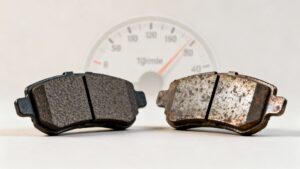




Common car repair cost factors are the specific variables that determine how much you pay every time your vehicle needs service. Parts pricing, labor rates, vehicle type, and technology complexity are the four primary cost determinants in auto repair. Car repair prices have risen 46% since 2020, driven by labor shortages and increasingly sophisticated vehicle systems. That increase means budgeting without understanding these factors is no longer optional. This guide breaks down each driver of repair pricing so you can read estimates clearly, ask the right questions, and avoid paying more than you should.
1. Parts selection: OEM, aftermarket, or remanufactured?
Parts selection is one of the most direct common car repair cost factors you control. The three main categories are OEM (Original Equipment Manufacturer), aftermarket, and remanufactured parts, and each carries a different price point and risk profile.
OEM parts are made by your vehicle’s manufacturer or an approved supplier. They guarantee factory specifications, fit, and safety tolerances. That precision comes at a price premium, which is why OEM parts are the default at dealerships and why dealership repair bills run higher.
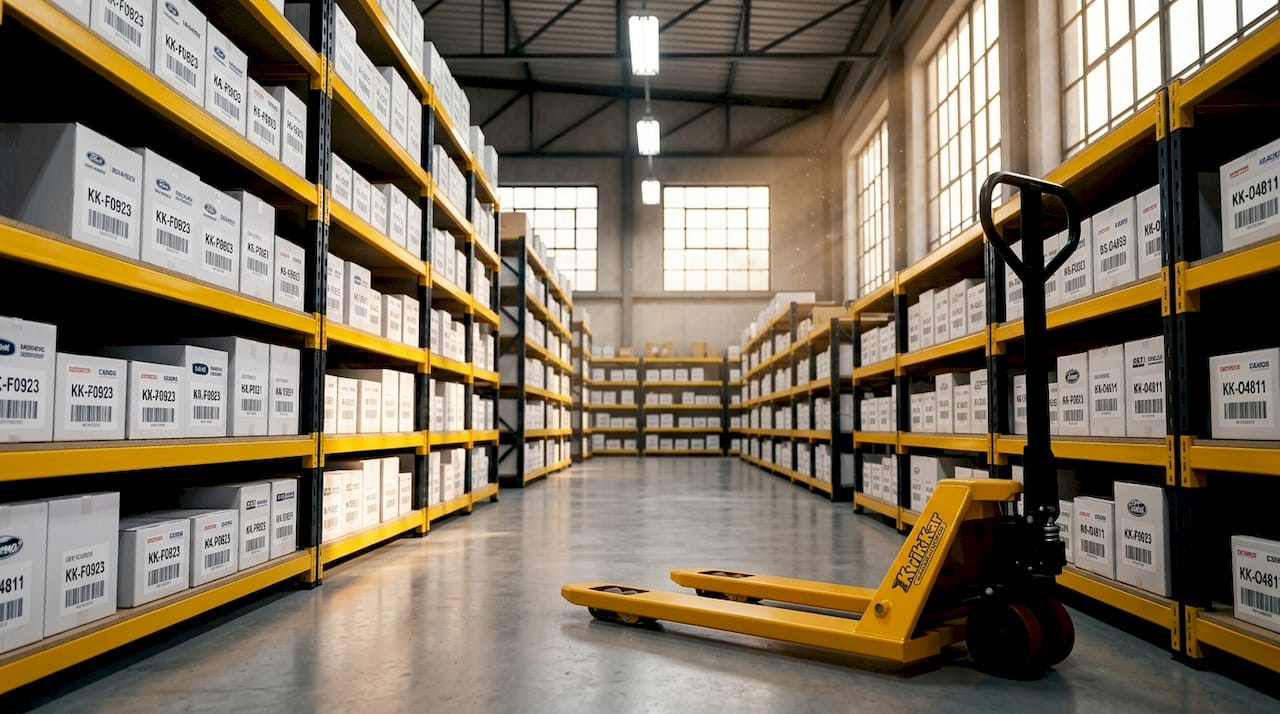
Aftermarket parts cost 20 to 50% less than OEM equivalents, which sounds appealing until you factor in quality variation. A budget aftermarket alternator may fit correctly but fail in 18 months. Remanufactured parts offer a middle path, typically 30 to 60% cheaper than OEM and often backed by warranties. For non-safety-critical components like alternators or starters, remanufactured parts deliver solid value.
| Part type | Cost vs. OEM | Best use case |
|---|---|---|
| OEM | Baseline (highest) | Safety systems, warranty repairs, newer vehicles |
| Aftermarket | 20–50% less | Body panels, filters, non-critical components |
| Remanufactured | 30–60% less | Alternators, starters, calipers with warranty |
Pro Tip: For brake components, airbag sensors, and steering parts, always request OEM or certified remanufactured parts. Saving $40 on a brake caliper is not worth the safety risk.
Parts availability also shapes pricing. Rare import parts or discontinued components for older vehicles can take days to source and carry a scarcity premium. A catalytic converter for a late-model Toyota Camry is stocked everywhere; the same part for a 2009 Saab 9-3 is a special order with a markup to match.
2. Labor rates and shop type
Labor is typically the largest line item on any repair bill, and the rate you pay depends heavily on where you take your vehicle. Understanding how auto repair pricing works at each shop type gives you immediate leverage.
Here is what current labor rates look like across shop categories:
- Independent shops: Typically charge $80 to $130 per hour, with rates varying by region and technician certification level.
- Dealerships: Run $120 to $180 per hour, reflecting higher overhead, factory training requirements, and OEM tooling.
- Chain service centers: Often fall between $90 and $140 per hour, though pricing consistency varies by franchise.
Labor shortages in the automotive trades have pushed rates upward across all three categories. ASE-certified technicians command higher wages, and shops pass that cost to customers. That is not inherently unfair. A certified technician diagnosing an intermittent electrical fault in two hours saves you from paying an uncertified tech for six hours of guesswork.
The hidden labor cost most drivers miss involves modern systems recalibration. Replacing a windshield on a vehicle equipped with a forward-facing camera requires recalibrating the lane-departure and automatic emergency braking systems. That recalibration adds time, requires specialized equipment, and shows up as a separate labor charge.
Pro Tip: Ask your shop to show you the flat-rate book time for any repair. Comparing quoted labor hours to published flat-rate guides like AllData or Mitchell helps you spot inflated estimates before you approve the work.
3. Vehicle make, model, and age
Your vehicle’s make, model, and age are fixed cost determinants in auto repair that you cannot negotiate away. A front brake job on a Honda Civic runs $250 to $350. The same job on a BMW 5 Series runs $450 to $700 or more, because the parts cost more, the labor time is longer, and the shop needs BMW-specific tooling.
Luxury and imported vehicles carry higher repair costs for three reasons. First, parts are more expensive and often have fewer aftermarket alternatives. Second, labor times are longer because of tighter engine bays and more complex assemblies. Third, many luxury brands require dealer-level diagnostic software that independent shops may not have.
Older vehicles present a different cost profile. They need more frequent repairs as components wear out, but the parts are usually cheaper and widely available. The exception is vehicles with discontinued parts or those requiring specialized knowledge. A 1998 Ford F-150 is cheap to fix almost anywhere. A 2003 Land Rover Discovery is not.
4. Advanced technology and ADAS systems
Modern vehicle technology has fundamentally changed the price breakdown for car repairs, even for damage that looks minor. ADAS calibration after a repair can add hundreds of dollars to a bill due to specialized tools and labor time. This is one of the most misunderstood factors affecting car repair costs today.
Consider what a low-speed rear-end collision now involves on a 2024 vehicle:
- Bumper replacement and paint matching
- Rear parking sensor replacement and calibration
- Backup camera alignment and software reset
- Blind-spot monitoring sensor recalibration
- Potential structural scan to confirm no hidden frame stress
Specialized recalibration for ADAS systems requires certified technicians and equipment, which significantly increases labor charges. Many drivers underestimate how modern sensor and safety technology increase repair complexity and cost. A bumper that cost $400 to replace in 2015 may now cost $900 to $1,400 once all associated sensor work is included.
Electric and hybrid vehicles add another layer. High-voltage battery systems require technicians with specific safety certifications, and battery diagnostics alone can run $150 to $300 before any repair work begins.
5. Reading and comparing repair estimates
A repair estimate is a price breakdown for car repairs, and knowing how to read one protects you from overpaying. Every legitimate estimate should itemize parts, labor, shop fees, and taxes as separate line items. A lump-sum estimate with no breakdown is a red flag.
When you review a repair estimate, look for these specific elements:
- Parts cost with part numbers listed: This lets you verify whether OEM or aftermarket parts are being used and compare prices independently.
- Labor hours and hourly rate stated separately: You should see “2.5 hours at $110/hr” rather than just “$275 labor.”
- Shop supply fees explained: A charge of $15 to $40 for shop supplies is standard. A $120 shop supply fee on a simple oil change is not.
- Warranty terms in writing: Reputable shops stand behind their work. Ask for the warranty period on both parts and labor before approving any repair.
Estimates before full disassembly may miss hidden damage, so the final cost can legitimately exceed the initial quote once a technician gets inside the vehicle. A shop that calls you with an updated estimate before proceeding is operating with integrity. One that presents a higher bill at pickup without prior notice is not.
Getting two or three estimates on repairs over $500 is a smart practice. Comparing multiple repair quotes gives you a market rate baseline and reveals shops that are pricing significantly outside the norm.
6. Geographic location and shop overhead
Where you live directly affects average car repair expenses. Labor rates in Dallas, Texas differ from those in San Francisco or rural Kansas. Urban shops carry higher rent, higher wages, and higher insurance costs, all of which flow into the hourly labor rate you pay.
Regional parts distribution also matters. A shop in a major metro area has same-day access to a wide parts network. A shop in a rural area may need to order parts and charge you for the delay, either in storage fees or in a higher markup to cover the logistics cost.
Insurance requirements, local environmental regulations, and state inspection mandates add to shop overhead in certain markets. In states with strict emissions testing, shops invest in certified diagnostic equipment that smaller markets do not require. That investment shows up in the labor rate.
7. Practical budgeting for repair costs
Budgeting for repair costs requires two separate reserves: one for routine maintenance and one for unexpected repairs. AAA recommends budgeting 11 cents per mile for maintenance and repairs combined. At 15,000 miles per year, that is roughly $1,650 annually. This figure covers oil changes, tires, brakes, and the minor repairs that accumulate over a year of normal driving.
For unexpected repairs, Kelley Blue Book data suggests keeping an $838 emergency reserve beyond routine maintenance costs. That number reflects the average cost of a single unplanned repair event, not a catastrophic failure.
Here are four practical steps to manage repair costs effectively:
- Follow your maintenance schedule. Skipping a $90 coolant flush can lead to a $1,200 water pump and radiator replacement. Preventive maintenance is the most cost-effective repair strategy available.
- Match part type to ownership duration. If you plan to keep your vehicle for five or more years, OEM or remanufactured parts with warranties protect your investment. If you are selling in 12 months, quality aftermarket parts may be the smarter financial call.
- Choose your shop before you need it. Researching shops when you are not under pressure gives you time to check certifications, read reviews, and understand pricing. ASE certification and RepairPal affiliation are reliable quality indicators.
- Know which repairs are commonly overpriced. Certain services carry inflated margins at some shops. Reviewing overpriced car repair services before your next visit helps you recognize when a recommendation is genuinely necessary versus a revenue opportunity for the shop.
Pro Tip: Ask your shop to explain how maintenance costs are calculated for your specific vehicle. A good technician will walk you through the reasoning, not just hand you a total.
Key takeaways
Understanding the full range of cost determinants in auto repair gives you the ability to budget accurately and evaluate estimates with confidence.
| Point | Details |
|---|---|
| Parts type drives cost | OEM costs the most; remanufactured parts save 30 to 60% and often carry warranties. |
| Labor rates vary by shop | Independent shops charge $80 to $130/hr; dealerships run $120 to $180/hr. |
| Technology adds hidden costs | ADAS recalibration after minor damage can add hundreds of dollars to any repair bill. |
| Budget with two reserves | Use AAA’s 11 cents per mile for routine costs and keep an $838 emergency fund for surprises. |
| Itemized estimates protect you | Always request separate line items for parts, labor, and fees before approving any repair. |
What we’ve learned from years of repair estimates
At Kwik Kar Oil Change & Auto Care, we see the same pattern repeatedly: customers arrive frustrated not because the repair was expensive, but because no one explained why. A $1,100 bill for what looked like a simple fender repair makes sense once you understand that three sensors needed recalibration and the bumper beam had stress fractures invisible from the outside. Without that explanation, it just feels like a bad surprise.
The most significant shift we have observed over the past several years is how quickly technology has changed the cost structure of repairs that used to be straightforward. A windshield replacement, a bumper swap, even a wheel bearing job on certain vehicles now involves software and calibration steps that add real time and real cost. Drivers who understand this are not caught off guard. They ask the right questions, approve work with confidence, and leave without resentment.
Our honest advice: prioritize shops that provide written, itemized estimates before touching your vehicle. Certification from organizations like ASE and RepairPal is not just a marketing badge. It signals that technicians have met a documented standard and that the shop operates with accountability. The cheapest estimate is rarely the best value when you factor in warranty coverage, parts quality, and the cost of a repeat repair.
— Kwik Kar
Get transparent repair pricing at Kwik Kar
Understanding repair cost factors is the first step. Getting fair, certified service is the next one.
At Kwik Kar Oil Change & Auto Care, our ASE-certified technicians provide written, itemized estimates before any work begins. We explain parts choices, labor times, and total costs clearly so you make informed decisions, not rushed ones. Whether your vehicle needs diagnostics, brake service, or a complex repair involving ADAS recalibration, our team has the tools and credentials to handle it correctly the first time. RepairPal certification backs our pricing standards. Explore our full range of services and schedule your visit at our Dallas auto repair center.
FAQ
What are the biggest factors affecting car repair costs?
Parts type, labor rates, vehicle make and model, and technology complexity are the four primary factors. Modern ADAS systems and luxury vehicle components consistently push repair costs higher than older or simpler vehicles.
How much should I budget for unexpected car repairs?
Kelley Blue Book data recommends keeping an $838 emergency reserve for unplanned repairs, separate from routine maintenance costs. AAA also suggests budgeting 11 cents per mile annually to cover both maintenance and repairs.
Why do dealerships charge more for repairs than independent shops?
Dealerships charge $120 to $180 per hour compared to $80 to $130 per hour at independent shops, reflecting higher overhead, factory-certified training, and OEM-specific diagnostic equipment. The premium is justified for warranty work or brand-specific software repairs.
How can I tell if a repair estimate is fair?
Request a fully itemized estimate showing part numbers, labor hours, hourly rate, and shop fees separately. Cross-reference the labor hours against published flat-rate guides like AllData or Mitchell to verify the time billed is reasonable.
Do aftermarket parts always save money?
Aftermarket parts cost 20 to 50% less than OEM, but quality varies significantly by brand and component. For safety-critical parts like brake calipers or steering components, OEM or certified remanufactured parts are the better long-term value.