



You usually notice the engine air filter when the car starts feeling a little off.
Maybe you’re merging onto Central Expressway and the car feels lazy. Maybe fuel stops seem more frequent than they should. Maybe the engine sounds fine, but throttle response just is not as crisp as it was a few months ago. In Dallas, that happens faster than many drivers expect because dust, pollen, and stop-and-go traffic load up filters sooner than the generic advice on the box suggests.
The good news is that change car air filter jobs are one of the easiest pieces of maintenance a driver can handle at home. For many vehicles, it takes only a few minutes, basic hand tools, and the right replacement filter. The trick is not the labor. The trick is doing it carefully, using the correct part, and making sure the new filter seals the way it should.
Why This 15-Minute Task Is Essential for Your Engine
A lot of drivers come in thinking they have a fuel problem, a sensor problem, or a transmission problem because the car feels sluggish. Sometimes the issue is much simpler. The engine is trying to breathe through a filter that is packed with dirt, pollen, and road grit.
Your engine needs more air than commonly understood
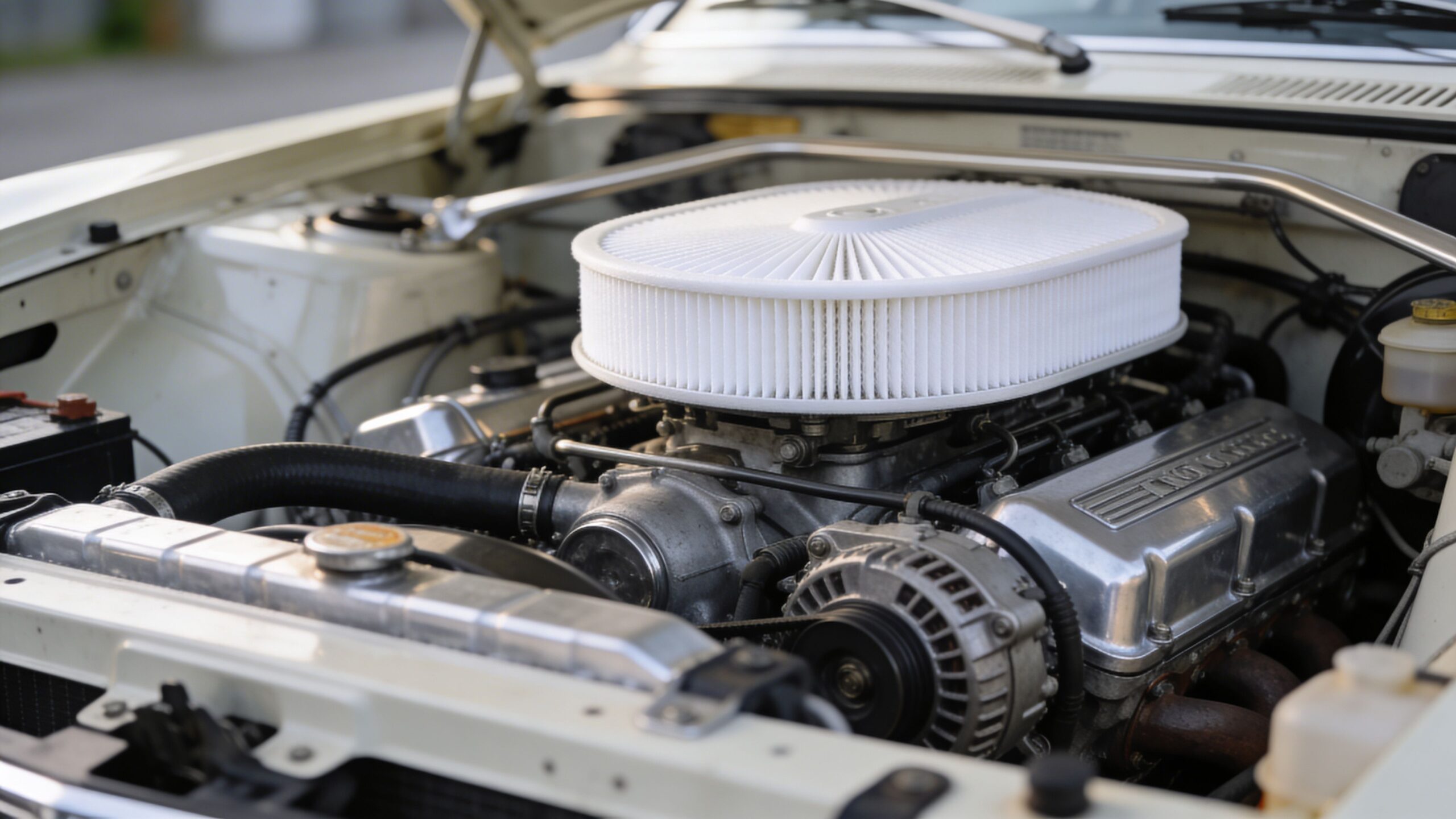
The engine air filter protects the intake system, but it also has a direct effect on how well the engine can draw in air. A typical car engine needs over 10,000 gallons of air for every gallon of fuel used, and replacing a dirty engine air filter can improve gas mileage by as much as 10%, according to this Car Care Council-based explanation from Hendrick Cars.
That is why a clogged filter can show up as more than just “it looks dirty.” You may feel:
- Slower acceleration when pulling away from a stop
- Reduced fuel economy on your usual Dallas commute
- A rougher response in heavy traffic
- A check engine light in some cases when airflow gets restricted enough to confuse diagnosis
Dallas conditions are hard on filters
A car that spends its life on clean highway miles will usually have an easier time than one that deals with Dallas traffic, construction dust, and seasonal pollen. Around here, I tell drivers to think about where the car lives, not just what the maintenance sticker says.
If you drive through:
- Busy urban corridors with constant stop-and-go traffic
- Road construction areas where fine dust hangs in the air
- High-pollen stretches in spring and early summer
- Parking lots and shoulders that kick debris toward the intake
your filter is doing more work, and it will show.
Tip: The air filter is basically the engine’s lung. If airflow is restricted, the engine has to work harder to do normal things.
Small part, real protection
A clean filter helps fuel economy, but the bigger long-term value is engine protection. Dust and fine debris belong in the filter media, not inside the intake tract and cylinders.
This is one of those maintenance items that feels minor right up until neglect turns it into drivability complaints, contamination, or avoidable wear. For a short job with a low parts cost, it earns its keep.
Signs Your Air Filter Needs Replacing
The most common mistake I see is waiting until the filter looks terrible. By then, the car may already be giving up performance. A filter can be due before it looks obviously awful.
Start with mileage, but do not stop there
Most manufacturers recommend engine air filter replacement on a mileage or annual schedule, and local conditions matter. In Dallas, city driving, pollen, and dust can shorten useful filter life.
A good rule is to use the owner’s manual as your baseline, then inspect sooner if the car sees rougher air. That is especially true for work vehicles and commuter cars that spend a lot of time in traffic.
Watch for drivability clues
If the car has started feeling flat, do not ignore that just because it still runs.
Common clues include:
- Sluggish acceleration: The engine may not be getting the airflow it wants. If that sounds familiar, this guide on car accelerating slowly covers other causes too.
- Drop in fuel economy: Restricted intake air can hurt efficiency.
- Check engine light: Airflow problems can sometimes trigger warning lights that look like something more serious.
- Rougher engine feel: Not always dramatic, but enough that regular drivers notice the difference.
Visual inspection matters, but you need to know what you are seeing
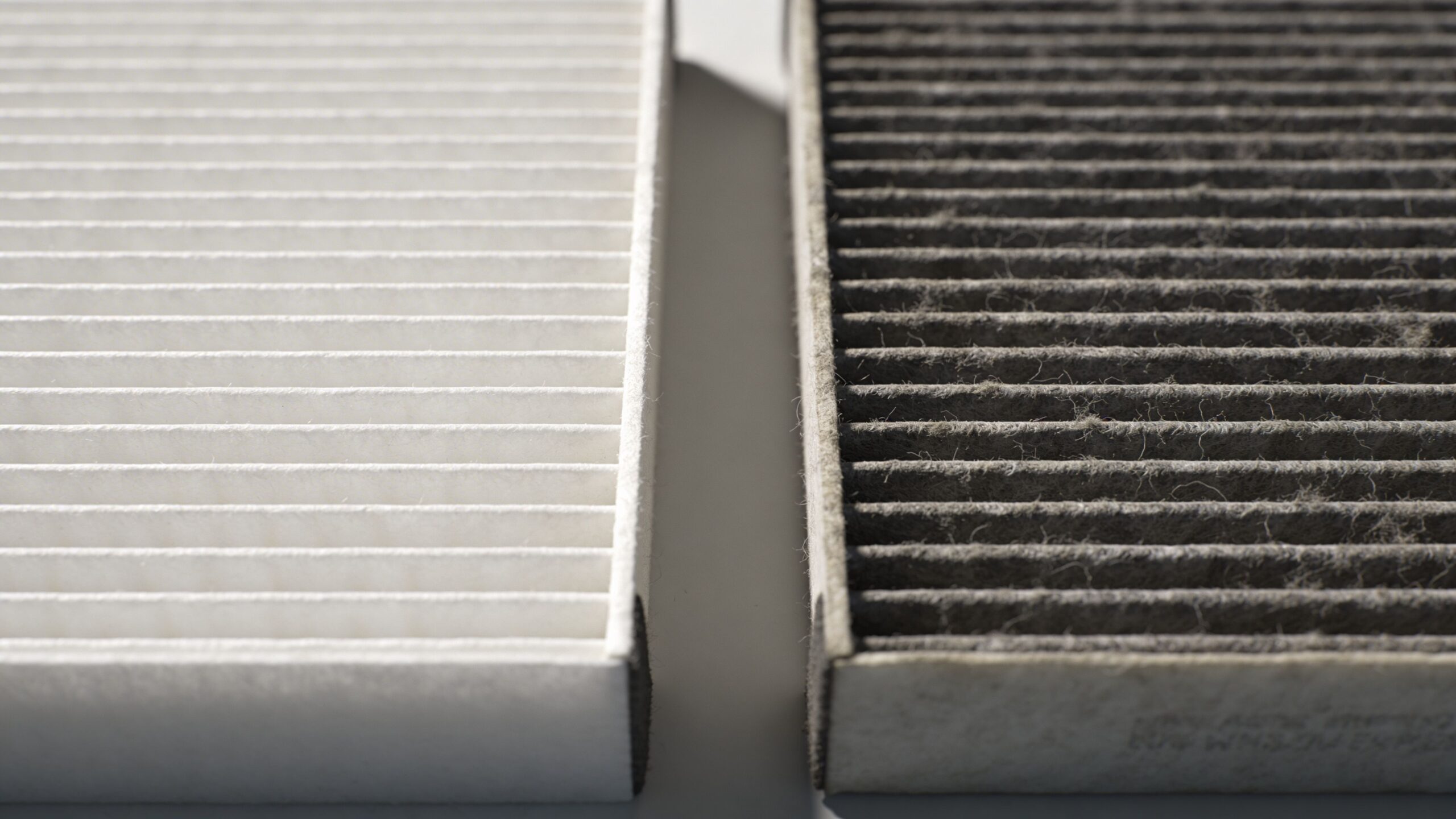
Most how-to content oversimplifies this part. A filter does not have to be pitch black to be near the end of its service life. As noted in this video discussion on air filter condition and replacement timing, filters trap particles progressively, and driving environment changes what “normal” looks like.
Look for more than color alone:
- Embedded debris like leaves, grit, or bugs in the pleats
- Heavy darkening across large areas of the media
- Oily staining or damp contamination
- Brittle pleats or damaged edges
- Uneven loading where one side is much dirtier than the rest
Key takeaway: A lightly discolored filter is not automatically bad, and a filter that “doesn’t look too bad” is not automatically good.
Dallas-specific judgment call
Highway-only drivers can often stretch inspection intervals comfortably. Drivers who spend the week in city traffic, around job sites, or under thick spring pollen should check more often.
That is why I prefer a simple habit. Inspect the filter regularly, compare what you see with how the car feels, and replace it when condition and driving environment line up. That avoids wasting money on early replacement, but it also keeps you from running one far too long.
Gathering Your Tools and the Right Filter
This job is easy when the right filter is on hand. It turns irritating fast when the housing is open and the replacement part does not match.
Keep the tool list simple
For most vehicles, you only need a few items:
- A screwdriver or socket if the housing uses screws instead of clips
- A clean shop rag for wiping the box out
- Gloves if you do not want dirt and grit on your hands
- A small vacuum if the housing has loose debris inside
- Your owner’s manual or the old filter for part matching
If you want a shop to handle it during regular maintenance, Kwik Kar Oil Change and Auto Care inspects engine air filters as part of oil change service and can replace them if needed.
Buying the correct filter matters more than brand hype
The biggest practical decision is fitment. Match the filter to the vehicle’s make, model, engine, and model year. If the vehicle has multiple engine options, double-check before you buy.
What works:
- Using the owner’s manual
- Verifying the part number at a parts counter
- Comparing the new filter to the old one before installation
What does not work:
- Guessing by vehicle family alone
- Buying a “close enough” part because it almost fits
- Forcing the housing closed over the wrong shape
Engine Air Filter Type Comparison
| Filter Type | Typical Cost | Performance | Maintenance |
|---|---|---|---|
| Disposable paper | Lower upfront cost | Strong everyday filtration for most daily drivers | Replace when due |
| Foam | Varies by application | Can work well in some specialty setups | Needs correct cleaning and care |
| Oiled cotton | Higher upfront cost | Reusable and often chosen by enthusiasts | Requires cleaning and re-oiling correctly |
Which type makes sense for a Dallas daily driver
For most sedans, SUVs, and light trucks, a standard replacement filter is the most practical choice. It is simple, clean, and predictable.
Reusable filters can make sense for some owners, but they ask more of you. If you skip the maintenance or over-oil them, you create problems instead of solving them. For a commuter vehicle, “easy to maintain correctly” usually beats “sounds better in theory.”
Tip: Before leaving the parts store, set the old and new filters side by side. Check length, width, thickness, and gasket edge. That one-minute check prevents most DIY headaches.
Your Step-by-Step Replacement Guide
This is one of the more approachable under-hood jobs. According to Fleetio, changing a car’s engine air filter is typically a 10-15 minute DIY task with an average cost of $35, and with proper execution, success rates exceed 95% while fuel economy may improve by up to 10%. The numbers are outlined in this engine air filter how-to from Fleetio.
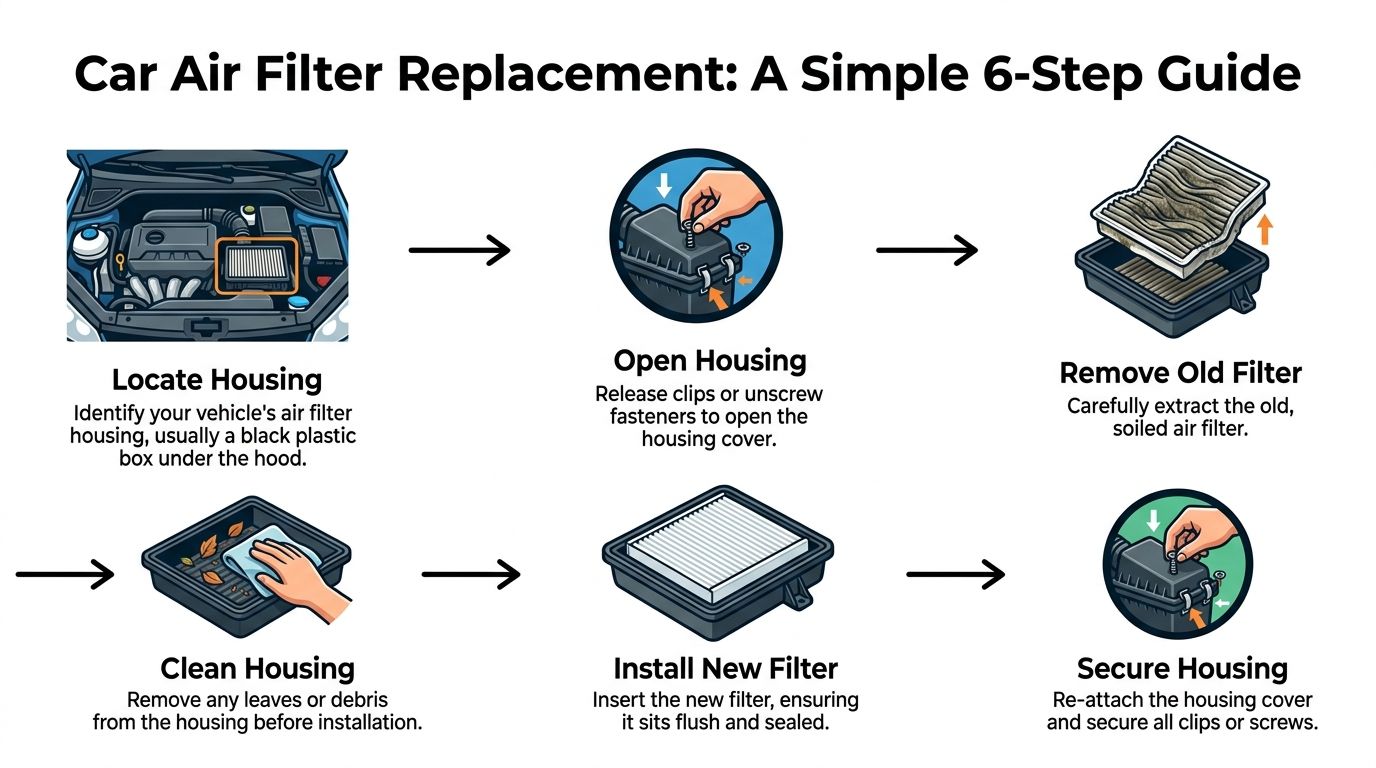
Step 1 Find the air filter housing
Open the hood and look for a black plastic box near the top or side of the engine. On many cars, it is easy to spot because it connects to the intake tube.
If you are not sure, check the owner’s manual. Do not start removing random covers.
Step 2 Open the housing carefully
Some housings use metal clips. Others use screws or bolts. Release them slowly and keep track of every fastener.
Do not pry on old plastic more than necessary. Heat cycles make some housings brittle over time.
Step 3 Remove the old filter and study its position
Lift the filter straight out if you can. Before you toss it, take a quick look at how it sat in the box.
That matters because the new one needs to sit the same way. If the old filter had a specific notch, lip, or airflow marking, match it.
Step 4 Clean the housing before the new filter goes in
This is the step people rush, and it is one of the most important. Dirt left in the box can get pulled into the intake once the new filter is installed.
Use:
- A rag for loose dust
- A small vacuum for grit and leaves
- Gloves if you are cleaning around sharp edges or stubborn debris
If you want another walkthrough with a straightforward visual layout, this easy DIY guide to changing your car's air filter is a useful companion.
Step 5 Install the new filter flat and snug
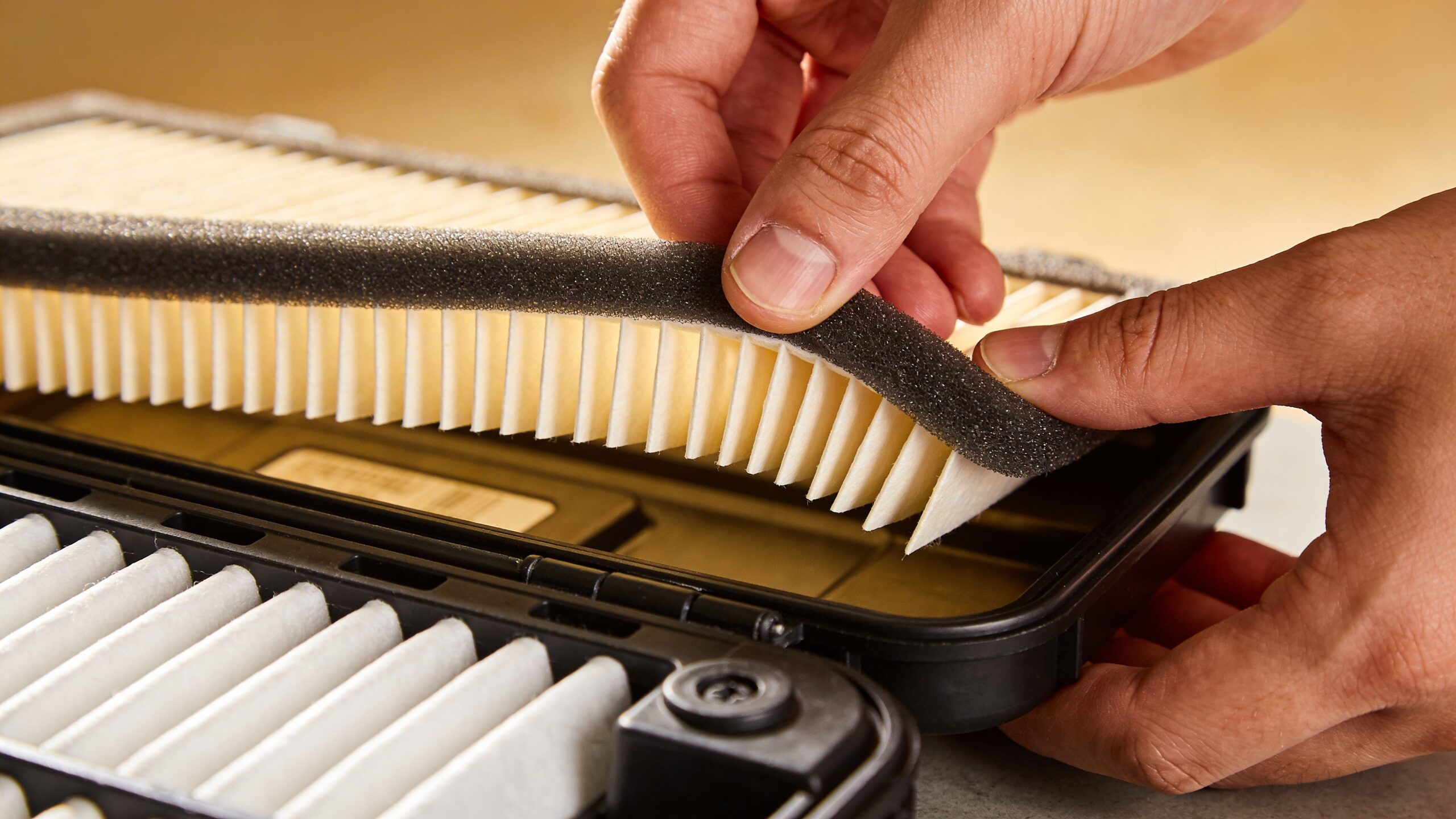
Set the new filter into the housing in the same orientation as the old one. It should sit flat with no curled edge and no visible gap around the sealing surface.
If it rocks, bows up, or seems too thick, stop and recheck the part number. A proper fit should feel obvious.
Here is a helpful visual reference before you button things up:
Step 6 Close the housing and test
Refit the lid evenly. If clips latch easily or screws go in smoothly, that is a good sign. If you have to force it, something is off.
After the housing is secured:
- Start the engine
- Let it idle
- Listen for any unusual air leak sound
- Make sure the housing is fully seated
What a successful job looks like
A good DIY replacement feels uneventful. No warning lights. No strange intake noise. No loose cover.
You may notice crisper throttle response right away, or you may know the engine is breathing the way it should. Either outcome is a win.
Common Mistakes and Pro Tips for a Perfect Fit
Most air filter jobs do not go wrong because the task is difficult. They go wrong because someone rushes the final details.
Orientation mistakes cause real problems
A filter can sometimes physically fit the wrong way. That does not mean it is installed correctly. As shown in this air filter orientation discussion, installing a filter backward can allow unfiltered air to bypass the media and reduce engine protection.
Look for:
- Airflow arrows
- Notches or tabs
- The exact position of the old filter
- A flush seating surface around the full perimeter
If anything seems ambiguous, stop and verify before closing the housing.
The seal matters as much as the filter media
People focus on the pleats because that is the visible part. I pay just as much attention to the edge seal. If the seal is folded, pinched, or sitting outside its groove, dirty air can sneak past.
That is why I never like forced lid closure. If the top does not sit naturally, the filter may be crooked.
A few pro habits make a big difference
- Take a photo first: It gives you a reference for orientation and hose routing.
- Wipe the box thoroughly: Clean housing, cleaner intake path.
- Tighten evenly: Do not crank one side down while the other side sits high.
- Check related airflow issues: If the car still feels lazy after replacement, intake deposits may be part of the picture. This overview of what throttle body cleaning is explains why.
Pro tip: If the lid will not close smoothly, do not push harder. Pull it back off and inspect the filter edge all the way around.
What works and what does not
Here is the practical version.
| Works | Does not work |
|---|---|
| Matching the new filter to the old one | Assuming all filters for a model are identical |
| Cleaning the housing first | Dropping debris into the lower box |
| Verifying orientation | Installing “whichever way fits” |
| Closing the lid evenly | Forcing clips or screws against a crooked filter |
A quick job done carefully is better than a fast job done twice. That is the difference between simple maintenance and creating your own comeback problem.
DIY Savings vs The Kwik Kar Professional Touch
Doing this yourself makes sense for a lot of drivers. The job is short, the tools are basic, and there is some satisfaction in handling a maintenance item on your own.
When DIY is the smart choice
DIY works well if:
- You are comfortable opening the housing
- You have the correct replacement filter already
- The housing is easy to access
- You can take a minute to clean and inspect things properly
For a straightforward sedan or SUV, this can be one of the best beginner maintenance jobs.
When professional service is the better move
Some vehicles hide the housing awkwardly. Others use fasteners that are easy to drop, old plastic that cracks, or tight packaging that makes proper seating harder than it looks.
Professional installation also adds a layer of inspection. According to this professional air filter replacement overview from Express Auto Care, technicians verify the seal and check for vacuum leaks by engine sound or MAF sensor data, helping ensure the stated 4-14% MPG gains are realized without debris contamination or housing damage.
That matters most when:
- The housing does not sit right after reassembly
- You suspect another airflow issue
- The car still feels off after the filter is changed
- You want it bundled with an oil change or inspection visit
Understanding the Trade-Off
DIY saves time on your schedule if everything goes smoothly. Professional service saves guesswork.
Neither choice is wrong. The right choice depends on whether you want to spend your time doing the task yourself or have a technician confirm fit, seal, and overall intake condition while the car is already in the bay for other maintenance.
Frequently Asked Questions About Car Air Filters
How often should I change car air filter parts on a Dallas daily driver
Use your owner’s manual first, then shorten that schedule if the car sees heavy dust, pollen, or city traffic. Dallas conditions can load a filter faster than mild highway use.
For a fuller breakdown, this guide on how often to change a car air filter is worth keeping handy.
Can I clean the old engine air filter instead of replacing it
Only lightly dusting off a filter is sometimes reasonable if it is still in good shape and you are inspecting it, not trying to stretch a worn-out part forever. If the media is heavily loaded, damaged, or brittle, replace it.
Will a dirty air filter always trigger a check engine light
No. Some cars will show drivability symptoms first. Others may set a light later. That is why regular inspection matters.
Is the engine air filter the same as the cabin air filter
No. The engine air filter protects the engine intake. The cabin air filter cleans the air you breathe inside the vehicle. They do different jobs and often have different replacement intervals.
What if I changed the filter and the car still feels slow
Then the air filter may not have been the only issue. Intake deposits, sensor problems, or other maintenance items may still need attention.
If you would rather have someone inspect the filter, install the correct part, and look over the rest of the vehicle while it is in the shop, Kwik Kar Oil Change and Auto Care is a practical option for Dallas drivers. They handle routine maintenance, inspections, and preventive service for sedans, SUVs, and light trucks, which makes it easy to pair an air filter replacement with the rest of your regular upkeep.