
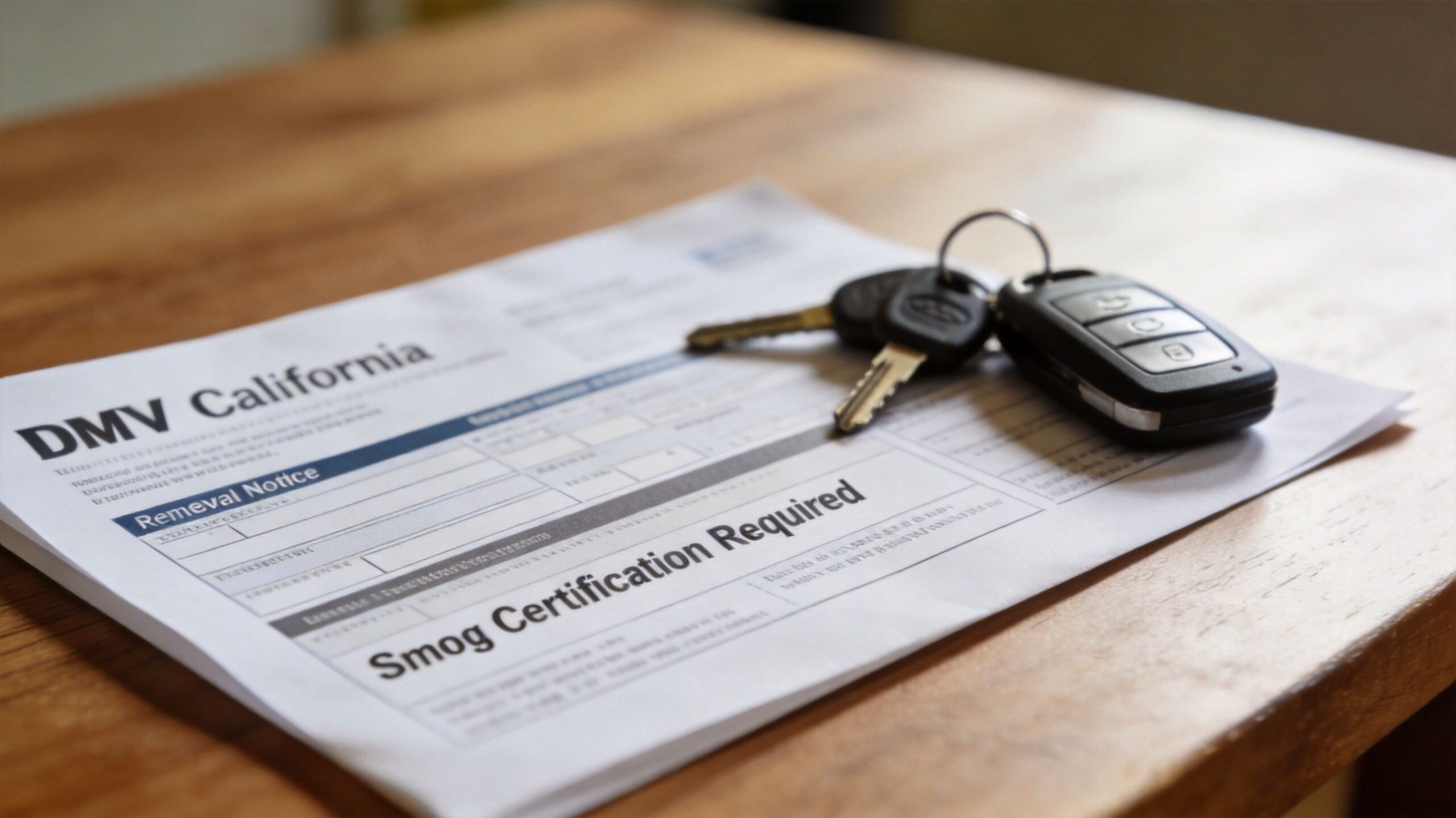
Your registration renewal shows up, and there it is. Smog required. For a lot of Auburn drivers, that notice means the same three questions: Do I really need it, how much is this going to cost, and what can I do to avoid failing?
That's where most of the stress comes from. Not the test itself, but the wasted trip, the surprise repair, or the scramble when your tags are due and the car isn't ready. The good news is that smog auburn ca doesn't have to feel like a bureaucratic trap. If you handle a few maintenance basics before the appointment, the process is usually straightforward.
This is the practical version. No scare tactics, no shop talk for the sake of sounding technical. Just what matters, what tends to cause problems, and how to improve your odds of passing on the first visit.
Why Your Auburn Smog Check Matters More Than You Think
Individuals typically don't think about air quality when opening a DMV envelope. Instead, their focus is on getting registration handled with the least amount of hassle possible. That's normal. But in Auburn, the local air picture makes the smog check more important than it may seem.
Auburn faces “extreme risk from air quality,” and projections indicate that poor air quality days with an AQI over 100 in Auburn will be higher in 30 years, according to First Street's Auburn air risk profile. That means every vehicle that runs cleaner matters a little more here.
The local reason this isn't just paperwork
When a car is running rich, misfiring, or struggling with emissions equipment, you usually notice it in small ways first. Rough idle. A check engine light. Worse fuel economy. Maybe a sulfur smell from the exhaust. Those same issues can also push a vehicle toward a smog failure.
For Auburn drivers, the test isn't just about registration compliance. It's also one of the few routine checkpoints that forces owners to deal with emissions problems before they drag on for months.
A smog check catches problems many drivers would otherwise ignore until the car gets noticeably harder to drive or more expensive to fix.
What this means in real life
If your vehicle passes, you're done and your renewal moves forward. If it doesn't, the failure often points to a maintenance issue that was already developing. That's why drivers who stay ahead on oil changes, warning lights, and basic diagnostics usually have a less stressful smog experience.
The key mindset shift is simple. Treat smog auburn ca as part of routine vehicle ownership, not an annoying one-off event. When you do that, the test gets easier, and the car usually runs better too.
Navigating California Smog Check Rules in Placer County
California's Smog Check Program started in 1966, after the public health problems that began in the 1940s, and the program has helped cut smog-forming pollutants by over 80% from 1960s levels, tied to regulations established by CARB in 1967, according to the California Air Resources Board history page. For drivers, that history matters less than one thing: knowing whether your vehicle needs a test now.
Vehicles that commonly need testing
For most Auburn drivers, smog requirements come up in a few routine situations:
- Registration renewal: If the DMV notice says smog certification is required, the vehicle needs to be tested before renewal can be completed.
- Title transfer: Some ownership changes trigger a smog requirement.
- Vehicles old enough to age into testing: Newer vehicles may start out under an abatement fee structure, then later move into the standard testing cycle.
- Out-of-state vehicles entering California: Depending on the vehicle, emissions compliance may need to be established.
Common exemption questions
A lot of confusion comes from people assuming every vehicle is tested the same way. California doesn't handle them all identically.
- Newer vehicles: California allows vehicles less than 4 model years old to pay a smog abatement fee instead of testing for the first 8 years, as noted in this guide on smog check requirements in Manteca.
- Vehicle age matters: Older gasoline vehicles often face more involved procedures than late-model cars with modern onboard diagnostics.
- Fuel type and configuration matter: Gas, diesel, hybrid, van, and motorhome classifications can affect what equipment and procedures a station uses.
A simple way to think about it
If your car is relatively new, the state may not require the same immediate testing schedule you'd see with an older model. If it's older, changed ownership, or the DMV specifically flags it, assume you'll need a smog appointment unless your paperwork says otherwise.
Practical rule: Don't guess based on what happened last cycle. Check the current DMV renewal notice first. That notice is what drives the immediate requirement.
What drivers get wrong
The most common mistake isn't mechanical. It's timing. Drivers wait until the last week before tags are due, then find out the vehicle needs a repair, a retest, or a visit to a specific type of station.
If your renewal says smog is due, book early. Even if the car seems fine, leave yourself enough room to fix a problem without turning registration into a deadline panic.
Scheduling Your Test What to Bring and What to Expect
The easiest smog visit is the one that starts with the right paperwork and a realistic budget. A lot of frustration comes from showing up rushed, not knowing what the station needs, or assuming every vehicle costs the same to test.
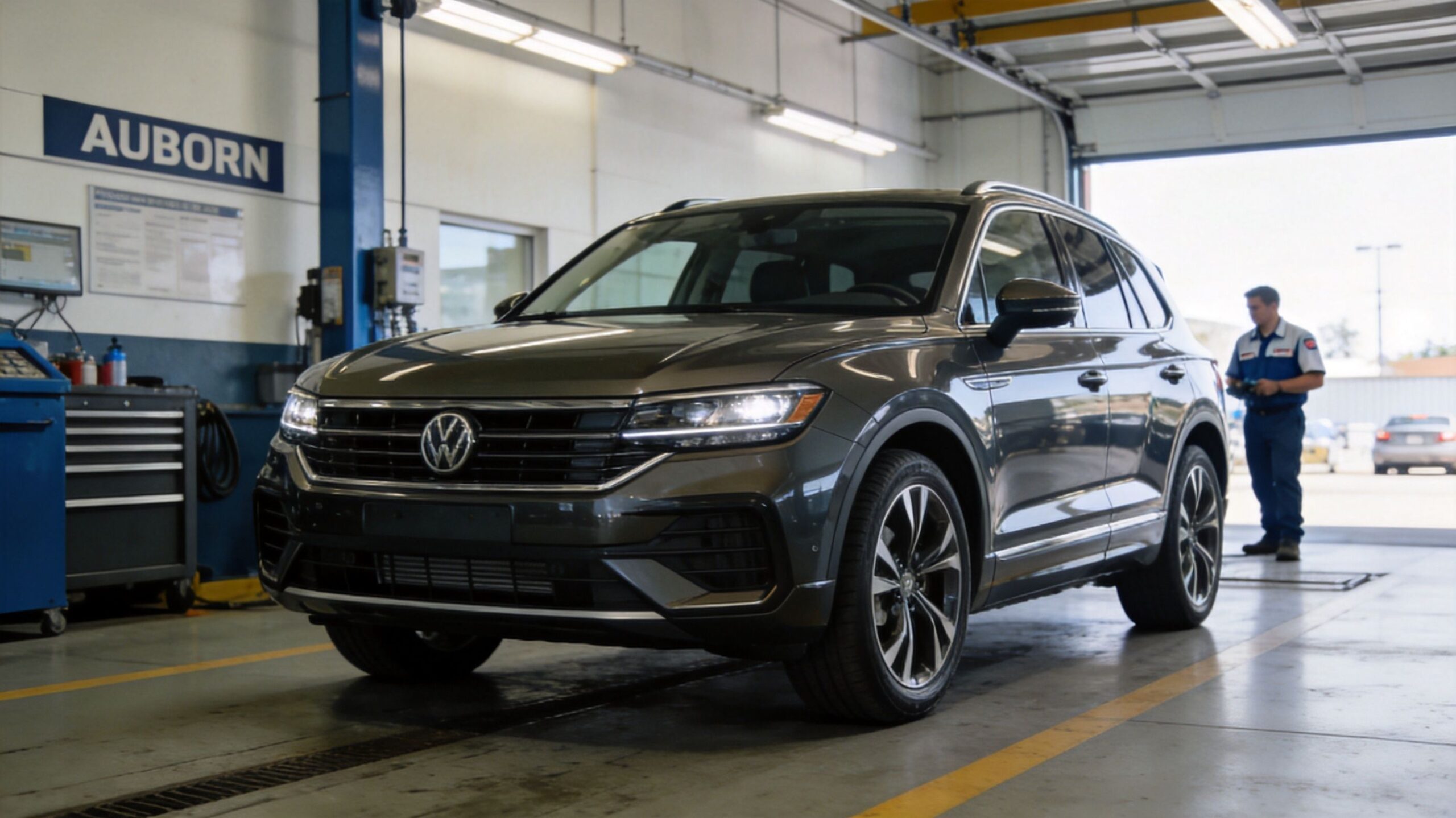
In Auburn, pricing is typically tiered by model year. 2000 and newer cars are around $56.64, 1996 to 1999 models are $96.75, and 1995 and older vehicles can run up to $146.75, because older vehicles often require more complex testing procedures, according to BAR cutpoints and testing information.
What to bring to the station
Bring the basics so the visit stays quick:
- Your DMV renewal notice: This helps confirm the smog requirement and vehicle record.
- Current registration information: If the station needs to verify details, having it ready helps.
- A valid driver's license: Many drivers bring it anyway, and it avoids unnecessary back-and-forth.
- Payment method accepted by the station: Call ahead if you're not sure what they take.
Standard station or STAR station
Not every driver needs to overthink this, but it helps to know the difference.
| Station type | When it matters |
|---|---|
| Standard smog station | Fine for many routine tests if your DMV paperwork doesn't specify otherwise |
| STAR station | May be required for certain vehicles or DMV notices |
If your renewal directs you to a STAR station, don't try to shortcut it. Go where the notice tells you to go.
What happens during the appointment
The exact procedure depends on the vehicle, but a smog check usually includes a mix of these:
- Visual inspection: The technician checks that required emissions components appear present and properly connected.
- OBD check: Late-model vehicles are commonly checked through the onboard diagnostic system.
- Emissions testing procedures for older vehicles: Older models may go through more involved testing, which is one reason their fees are higher.
This short walkthrough helps if you've never seen the process from the shop side.
What makes appointments go smoothly
Drivers who have the fewest issues usually do three simple things. They show up with the engine already warmed up, they confirm the station type in advance, and they don't wait until registration is almost expired.
That doesn't guarantee a pass. It does cut down on the avoidable mistakes that waste time before the test even starts.
Your Checklist for Passing the Smog Check on the First Try
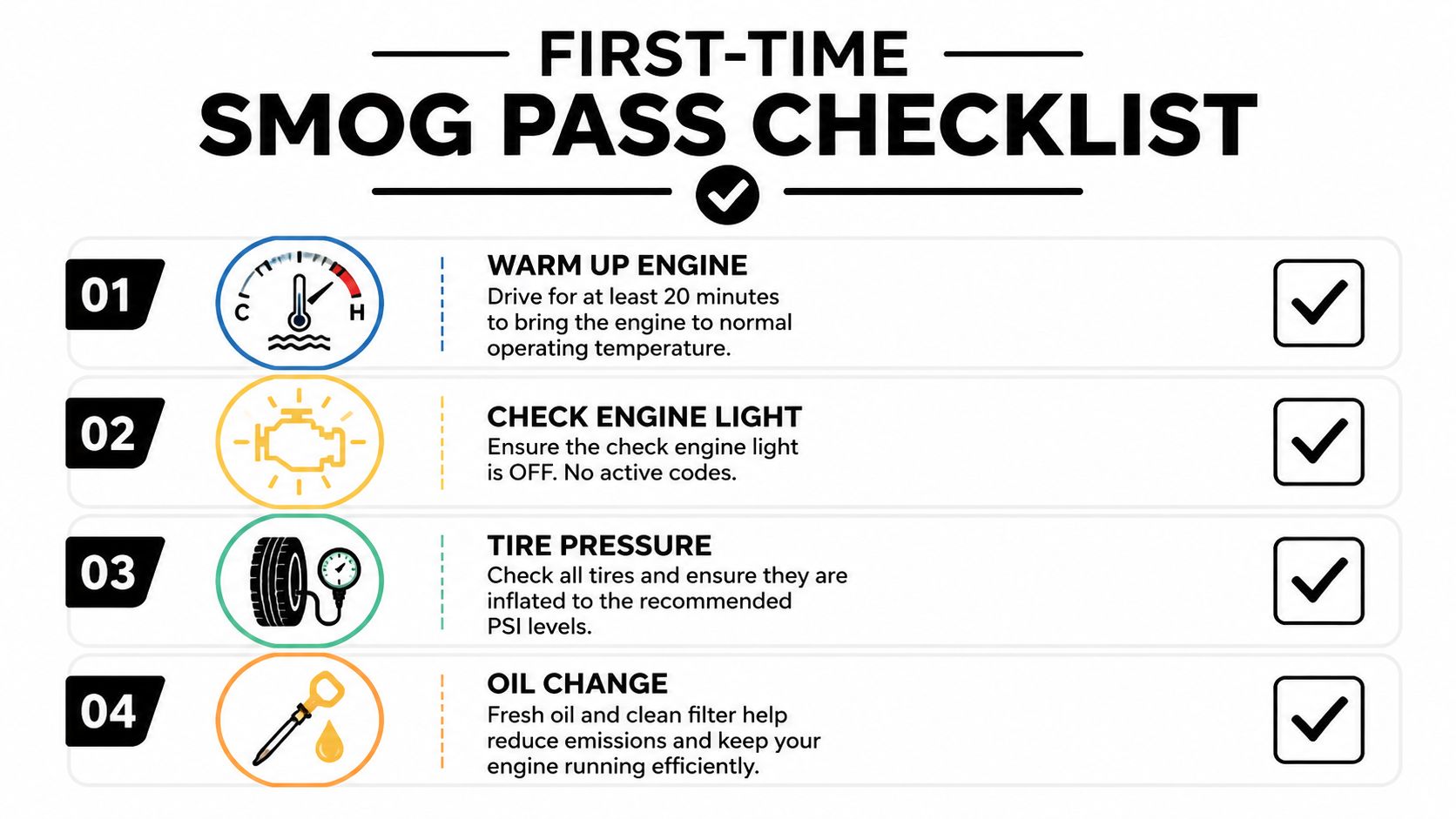
Passing on the first visit usually has less to do with luck and more to do with preparation. Most failures leave clues before the appointment. A warning light that's been ignored. Maintenance that got pushed off. A car that hasn't been driven enough to fully warm up.
Start with the check engine light
If the check engine light is on, deal with that before you book the smog appointment. Don't clear the light right before the test and hope for the best. That often creates another problem because the system may not show as ready.
A proper diagnostic scan is the right first move. Shops that handle routine maintenance and diagnostics, including vehicle inspection and preventive service options at Kwik Kar Oil Change and Auto Care, can identify whether you're dealing with an oxygen sensor issue, an evaporative leak, a misfire, or something else in the emissions system.
If the dash is asking for help, listen to it before you ask the car to pass a smog test.
Use this pre-test routine
These are the habits that save people the most grief:
- Drive the car long enough to fully warm it up: A short trip across town isn't always enough. A fully warmed engine and exhaust system generally give the emissions system a better chance to work as intended.
- Check tire pressure: If the vehicle is going onto equipment during testing, underinflated tires can create unnecessary complications.
- Look under the hood: A disconnected hose, loose intake duct, or obvious wiring issue can sink a test for a very fixable reason.
- Stay current on oil service: Dirty oil can contribute to poor running conditions. Fresh oil won't fix a real emissions fault, but neglected oil service never helps.
Pay attention to drivability symptoms
Smog problems often show up as normal driving complaints first. Watch for:
- Rough idle
- Hard starting
- Poor fuel economy
- Exhaust odor
- Stalling or hesitation
If the car feels off, don't assume it will somehow test fine. It might. But from a technician's point of view, that's the wrong gamble.
What doesn't work
A few common shortcuts waste money:
Using random fuel additives at the last minute
Sometimes drivers throw products at the tank right before a test. If the car has a real fault, additives rarely solve it.Disconnecting the battery to erase codes
That can reset readiness information and create another reason the vehicle isn't test-ready.Waiting for the smog station to diagnose everything
A test station verifies compliance. It isn't a substitute for a proper repair diagnosis.
Shop-floor advice: The cheapest smog strategy is usually routine maintenance done earlier, not panic spending the day before renewal.
What to Do If Your Vehicle Fails the Smog Test
A failed smog test feels worse than it usually is. The part that rattles people is the uncertainty. They get a report, see a list of numbers or notes, and assume the repair is going to be complicated and expensive.
Start with the Vehicle Inspection Report, or VIR. Read it slowly. The report tells you whether the failure came from the onboard system, the emissions readings, the visual inspection, or a combination of those.
What the report is really telling you
A VIR usually points you toward one of a few categories:
| Failure area | What it often suggests |
|---|---|
| OBD-related issue | Stored fault codes, incomplete monitors, or emissions system problems |
| Visual failure | Missing, disconnected, or visibly incorrect emissions-related components |
| Tailpipe or measured emissions issue | The engine may be burning fuel inefficiently or the emissions controls may not be doing their job |
That doesn't mean you should diagnose the car from the report alone. It means you now know where to start.
Common causes behind a failure
In the shop, these are the kinds of issues that come up often:
- Worn catalytic converter: A converter that's no longer doing its job can lead to an emissions failure.
- Faulty oxygen sensors: These sensors affect fuel control, and bad data can cause the engine to run poorly.
- Gas cap or evaporative leak issues: Sometimes the fix is simpler than drivers expect.
- Misfires or tune-related problems: If the engine isn't combusting cleanly, the emissions numbers usually reflect it.
For Auburn drivers, the hidden cost of failure is often bigger than the test fee itself. As noted by Superior Smog's consumer guidance, California's Bureau of Automotive Repair offers a Referee Program and a Consumer Assistance Program (CAP) to help, but preventive maintenance is still the cheaper path when possible.
Your next move after the fail
Don't bounce from one quick opinion to another. Use a clear sequence:
Review the VIR
Find out whether the failure was visual, diagnostic, or emissions-related.Get a proper diagnosis
Ask a repair shop to test the actual cause, not just replace parts based on a guess. This overview of a failed emission test and what to do next gives a useful framework.Ask about retest policy
Some stations offer retests within a certain window. Confirm the policy before leaving.Check whether BAR assistance applies
If repair cost is the main obstacle, ask whether CAP or referee support may fit your situation.
Don't approve parts until someone explains why the part failed, how it was tested, and whether that repair directly addresses the smog failure.
What saves money after a failure
The most expensive path is guessing. Replacing parts one by one gets costly fast. The better approach is targeted diagnosis, followed by repair, followed by retest while the original failure details are still fresh.
That's why proactive maintenance wins. It keeps a lot of smog failures from happening in the first place, and when a failure does happen, the repair path is usually shorter.
Your Partner for Smog Checks and Auto Care in Auburn
The easiest way to deal with smog auburn ca is to stop treating it like a once-every-so-often emergency. Vehicles pass more smoothly when owners stay current on warning lights, oil service, drivability issues, and basic diagnostic work before registration season sneaks up.
That approach saves time in two ways. First, it lowers the chance of a failed test. Second, it keeps small emissions problems from turning into bigger repair bills later.
If your car is due soon, don't wait for the last week on the calendar. Check the renewal notice, confirm the station type you need, and handle any obvious maintenance items now. If the car has a check engine light, rough idle, or poor fuel economy, solve that first and schedule the test after the vehicle is ready.
Smog compliance works best when it's part of regular car care. That's the difference between a quick appointment and a stressful one.
If you want help staying ahead of inspections, warning lights, and routine maintenance, contact Kwik Kar Oil Change and Auto Care. Their team handles preventive service, diagnostics, and repair work that can help drivers avoid last-minute inspection problems and keep vehicles road-ready.