

Most state inspections run 20 to 60 minutes for a safety-only check, 15 to 30 minutes for emissions-only, and 30 to 90 minutes total when you count paperwork and wait time on a combined visit. Rules and wait times shift by state and by time of day, so check your county’s requirements before you go. Bring your registration and proof of insurance, and book an off-peak slot to avoid the longest lines.
TL;DR:
- Inspection times vary by state and county, with safety-only tests taking 20 to 60 minutes and emissions-only tests lasting 15 to 30 minutes.
- Administrative tasks such as paperwork, VIN checks, and report writing can extend total visit time beyond active testing.
- Factors like time of day, vehicle condition, and use of digital workflows influence how quickly your inspection is completed, with off-peak hours and proper prep reducing delays.
- States like Texas have different rules for non-commercial and commercial vehicles, affecting whether inspections are shorter or longer depending on the vehicle and location.
- Scheduling appointments, bringing necessary documents, and fixing minor issues beforehand can significantly speed up your inspection process.
Table of Contents
- How Long Does State Inspection Take by Type?
- Does Vehicle Inspection Time Change by State?
- What Makes an Inspection Faster or Slower?
- What Do Inspectors Actually Check?
- How to Prepare for a Faster Inspection Visit
- What Happens If Your Vehicle Fails Inspection?
- Why Kwik Kar Speeds Up the Inspection Process
- A Local Perspective on Inspection Timing
- Get a Fast, Reliable State Inspection at Kwik Kar
- Where to Confirm Your State’s Exact Requirements
- Sources
- FAQ
How Long Does State Inspection Take by Type?
The active test time is almost always shorter than the total time you spend at the station. A safety-only inspection, where a technician physically checks lights, tires, wipers, and brakes, generally takes 20 to 40 minutes of hands-on work. Emissions testing, which hooks your vehicle up to an OBD-II scanner or tailpipe analyzer, usually runs 15 to 30 minutes once the vehicle is on the lane.
Combined inspections stack both processes, and that is where total visit time climbs.
- Safety-only: 20 to 60 minutes total, including a short wait
- Emissions-only: 15 to 30 minutes for the scan itself
- Combined/full inspection: 30 to 90 minutes total, once you factor in queueing, the report writeup and payment.
Paperwork and data entry add a real chunk to that number. State inspection workflows typically include a VIN check, a records update, and a printed report, and those administrative steps can stretch a 20 minute test into a 40 minute visit.
Does Vehicle Inspection Time Change by State?
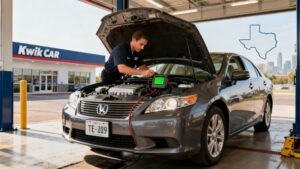
Vehicle inspection time varies significantly because states set their own rules on what gets tested and how often. Texas, for example, no longer requires an annual safety inspection for most non-commercial vehicles, though emissions-required counties still mandate an annual emissions check, and commercial vehicles follow separate rules. That single change means many Dallas area drivers now face a shorter, emissions-only visit rather than a full combined inspection.
Other states run different systems entirely:
- Pennsylvania and Virginia run combined safety and emissions programs in many counties, with drivers commonly reporting 30 to 60 minute visits at a licensed station.
- North Carolina ties inspection frequency to registration renewal cycles, and a safety-only check in a non-emissions county tends to run on the shorter end.
- Connecticut and DC each publish their own inspection service pages and vehicle inspection landing pages that spell out exact local steps.
Always confirm county-level rules on your state DMV site since emissions requirements can differ block by block within the same metro area.
What Makes an Inspection Faster or Slower?
Several variables push your actual visit toward the fast end or the slow end of these ranges, and most of them are within your control.
- Time of day and month. End-of-month rushes and lunchtime hours see the longest lines, since registration deadlines cluster demand.
- Emissions testing type. A modern OBD-II read is quick; older tailpipe testing or a check-engine light that needs troubleshooting adds time.
- Vehicle condition. A burnt-out bulb, worn wiper, or low tire can trigger an on-the-spot fix request, which delays the result.
- Station workflow. Shops using digital reporting and barcode VIN scanning cut administrative overhead compared to older paper-based systems, and research on inspection process optimization found that trimming non-essential checkpoints reduced total inspection time significantly in a controlled study.
- Missing documents. No proof of insurance usually means an automatic refusal, and you will need to return with the right paperwork.
Pro Tip: Snap a photo of your current insurance card and registration and keep them in your phone’s camera roll. It sounds simple, but a forgotten document is one of the most common reasons a five-minute visit turns into a wasted trip.
What Do Inspectors Actually Check?
Knowing the checklist in advance lets you catch obvious problems before you ever pull into the lane.
Safety items typically include:
- Headlights, brake lights, and turn signals
- Tire tread depth and visible sidewall damage
- Windshield wipers and horn function
- Seat belts and basic suspension or steering components
Emissions items where required cover OBD-II readiness monitors, catalyst efficiency checks, and tailpipe readings on older vehicles without onboard diagnostics.
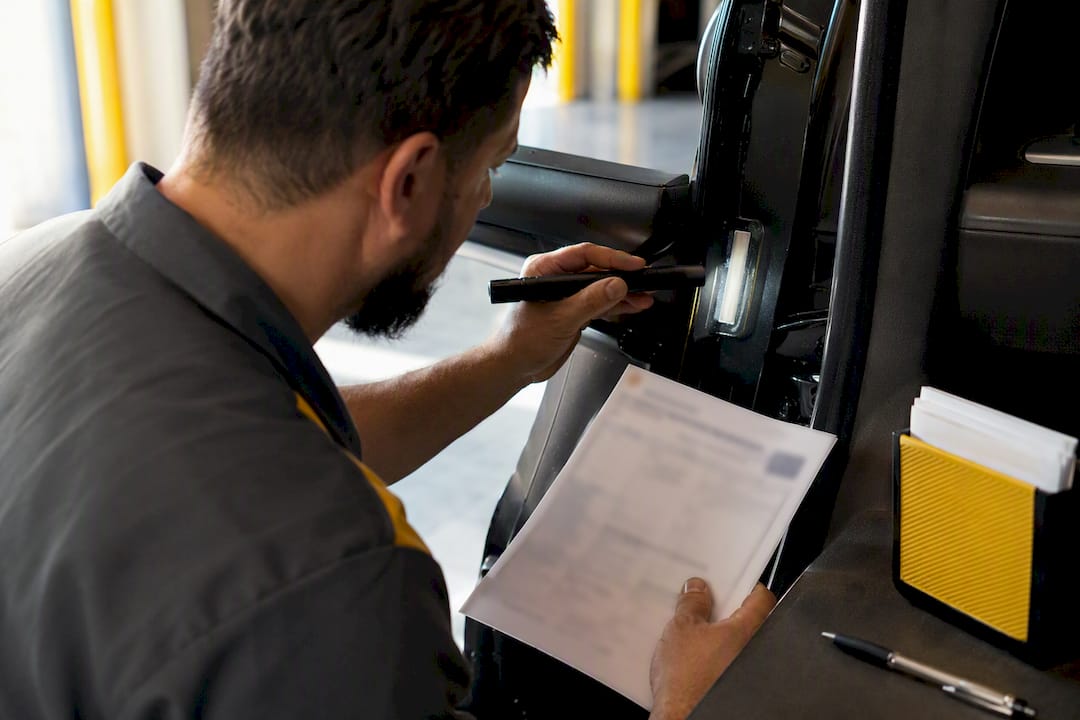
Paperwork checks confirm your VIN matches registration and that your proof of insurance is current. Skipping this step is one of the most avoidable causes of a rejected inspection.
How to Prepare for a Faster Inspection Visit
A few minutes of prep at home routinely saves twenty minutes at the station.
- Gather your registration, proof of insurance, and a valid ID, and have payment ready before you arrive.
- Walk around the vehicle and check every light, including turn signals and brake lights, along with tire pressure and tread.
- Top off windshield washer fluid and clear any visible fluid leaks that an inspector might flag.
- If your check-engine light is on, get an OBD-II read at a shop first. A vehicle with a fixed and reset readiness monitor is far less likely to fail emissions.
- Book an appointment where possible, arrive during off-peak morning hours, and ask if the station handles same-day minor repairs.
Pro Tip: If your check-engine light has been on for more than a few days, do not gamble on it clearing itself before your appointment. Have it scanned first, because a failed readiness monitor is one of the most common and avoidable reasons for a return trip.
For a full walkthrough tailored to local drivers, see this guide on how to pass a vehicle inspection.
What Happens If Your Vehicle Fails Inspection?
Once an inspection begins, the technician typically completes it regardless of outcome, and you leave with a full report either way.
- Quick fixes, like a burnt-out bulb or worn wiper blade, often take minutes to a couple of hours at a full-service shop.
- Parts-dependent repairs, such as a failing catalytic converter or a suspension component, can take one to several days depending on parts availability.
- Re-test windows vary by state. Some offer a free re-inspection within a set number of days, so check your state DMV’s rules before assuming your timeline.
- Keep your Vehicle Inspection Report and any repair receipts. You will likely need both for the re-test.
Why Kwik Kar Speeds Up the Inspection Process
Kwik Kar Oil Change & Auto Care staffs ASE Certified Master technicians who run pre-check diagnostics and give you a clear estimate before any repair work starts. That upfront visibility means no surprise delays mid-visit. Our shop uses digital diagnostics and streamlined reporting, which cuts the data-entry overhead that slows down older paper-based inspection lanes. Same-day minor repairs, backed by current coupon offers, mean a quick fix like a bulb or wiper does not turn into a second trip across town.
— Kwik Kar
A Local Perspective on Inspection Timing
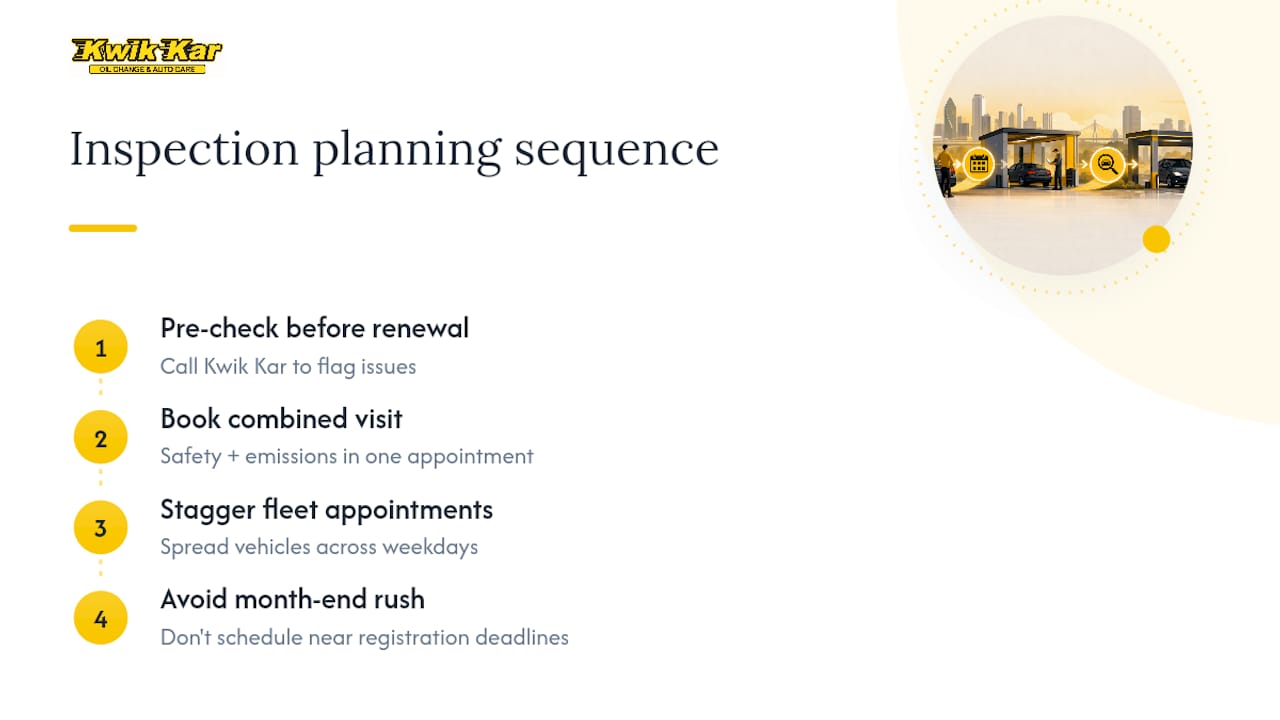
Dallas sits in an emissions-required county, so most drivers here should plan for a combined visit rather than a quick safety-only stop. Fleet managers in particular should avoid the registration rush months when lines run longest, and stagger vehicle appointments across the week instead of bunching them at month’s end. If you manage more than a few vehicles, a quick pre-check call to Kwik Kar Oil Change & Auto Care before renewal season can flag problems while there is still time to fix them without missing a deadline.
Get a Fast, Reliable State Inspection at Kwik Kar
Kwik Kar Oil Change & Auto Care on Spring Valley Road gives Dallas drivers a real alternative to guessing whether their car will pass and losing an afternoon to a failed visit. Our team runs state inspections alongside pre-inspection diagnostics, so a check-engine light or worn bulb gets caught and often fixed the same day instead of forcing a second trip.
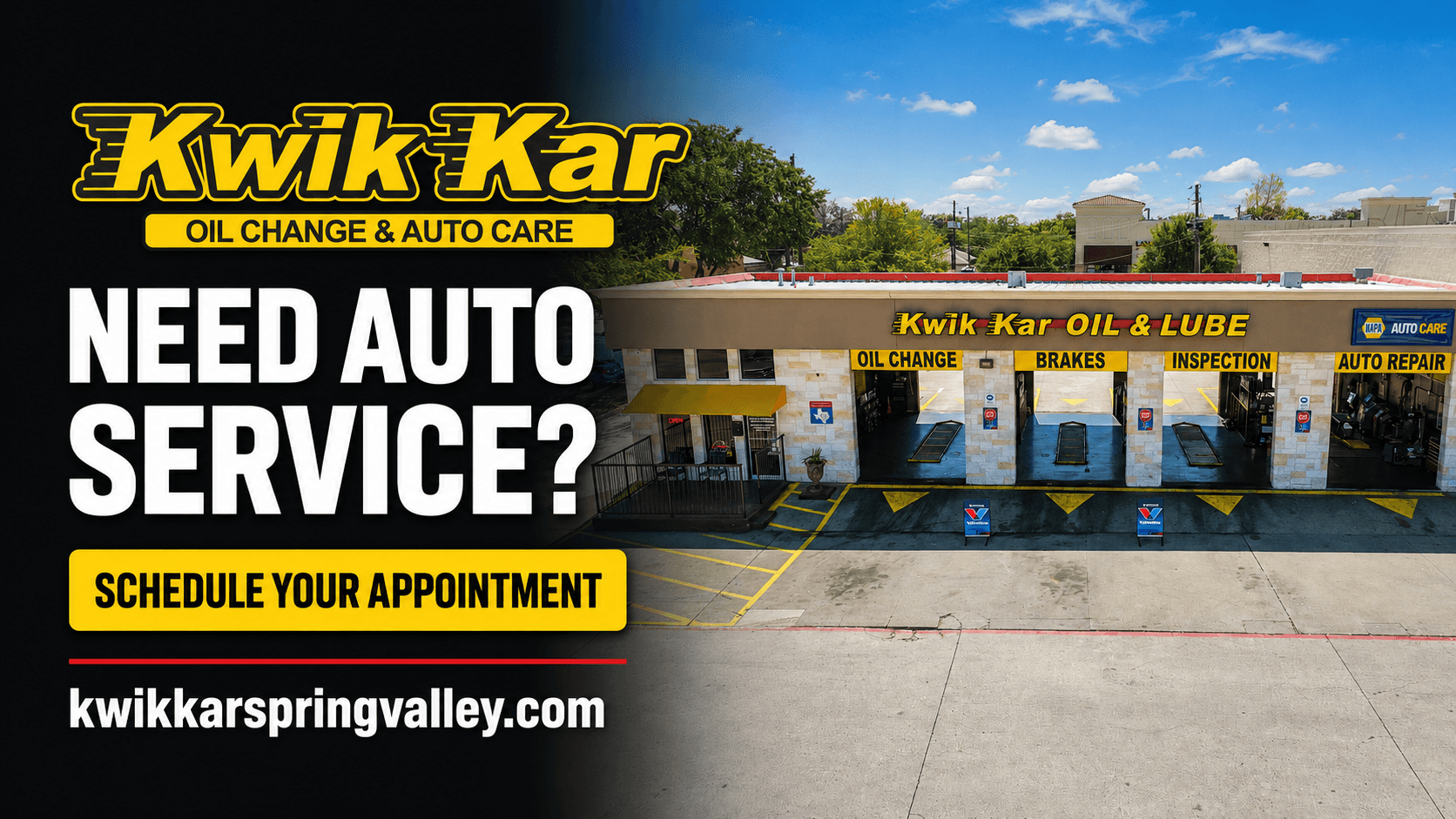
Backed by ASE Certified and RepairPal recognized technicians, plus NAPA AutoCare standing, our shop pairs certified expertise with transparent, upfront estimates. Right now you can also save with $30 off maintenance service and a free inspection, which takes some of the sting out of pre-inspection repairs. Schedule your appointment through our full auto repair services page and get your inspection handled without the wasted trip.
Where to Confirm Your State’s Exact Requirements
State DMV pages remain the most reliable source for exact procedures, fees, and re-test rules in your area. Check Connecticut’s DMV vehicle inspection page or DC’s DMV vehicle inspection page as examples of how these details are published, and always confirm county-level emissions rules where they apply, since Texas DPS inspection criteria shows how much these can shift within a single state. For Texas-specific detail, our guide to Texas car inspection laws breaks down county-by-county emissions requirements.
Sources
FAQ
How long do car state inspections usually take?
Most inspections take 20 to 60 minutes total, depending on whether the visit is safety-only, emissions-only, or combined, plus wait time and paperwork.
How long does it take to get a state inspection in Pennsylvania?
Pennsylvania’s combined safety and emissions inspections commonly run 30 to 60 minutes at a licensed station, though wait times vary by location and time of day.
How long does a North Carolina vehicle inspection take?
North Carolina’s safety-only inspections in non-emissions counties tend to run on the shorter end, often close to 20 to 40 minutes including the report writeup.
How long should a state inspection take in Texas?
In Texas, non-commercial vehicles in emissions counties face an emissions-only test that typically takes 15 to 30 minutes, while commercial vehicles follow separate, longer timelines.
Can Kwik Kar help me avoid a failed inspection?
Yes. Kwik Kar Oil Change & Auto Care’s ASE Certified Master technicians run pre-check diagnostics and offer same-day minor repairs, which helps you catch and fix common failure points before you ever reach the inspection lane.