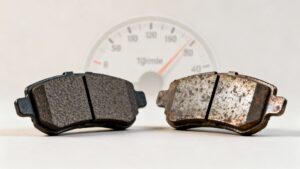




A 30-60-90 service is a mileage-based preventive maintenance plan that groups your car’s inspections and part replacements around three key mileage checkpoints. Think of it as a preventive maintenance framework built to catch worn parts before they strand you or damage something bigger. Use it as your baseline, then check your owner’s manual for the exact intervals your model needs.
Here’s the quick preview:
- 30,000 miles: filters, brakes, tires, and a visual check of belts and hoses
- 60,000 miles: fluid flushes, spark plug checks, and deeper suspension work
- 90,000 miles: timing components, water pump, and drivetrain inspections that guard against major failures
Key Takeaways
A 30-60-90 service is a mileage-based preventive maintenance baseline that catches worn filters, fluids, brakes, and major components before they fail, with the owner’s manual as the final word on your car’s exact intervals.
| Point | Details |
|---|---|
| Three milestones, rising depth | 30k focuses on filters and inspections; 60k adds fluid flushes and plugs; 90k tackles timing and drivetrain work. |
| Owner’s manual overrides the baseline | Modern parts and warranty terms can shift intervals earlier or later than the generic 30/60/90 schedule. |
| Brakes, tires, and belts need immediate attention | These affect stopping and steering, so don’t defer repairs flagged during inspection. |
| Cost and time scale with the milestone | 30k visits are quick and cheap; 90k jobs with timing work can require a half-day and parts lead time. |
| Documentation protects your investment | Logging every service supports warranty claims and improves resale value. |
| Kwik Kar performs milestone services with written estimates | ASE-certified technicians handle 30k, 60k, and 90k work with RepairPal and NAPA AutoCare backing. |
Table of Contents
- What Does a 30-60-90 Service Actually Involve?
- What Happens at the 30,000-Mile Service?
- What’s New at the 60,000-Mile Service?
- What Gets Checked at the 90,000-Mile Service?
- Do You Have to Follow the 30/60/90 Rule for Every Car?
- How Much Does a 30-60-90 Service Cost and Take?
- How Do You Stick to the Right Schedule for Your Car?
- Why Technicians Still Treat Milestone Services as Essential
- A Note From the Service Bay
- Ready to Book Your Milestone Service?
- Sources
- FAQ
What Does a 30-60-90 Service Actually Involve?
Manufacturers and shops group maintenance around mileage milestones because wear items tend to fail in predictable clusters. A belt that’s fine at 25,000 miles starts cracking by 35,000. Brake pads that pass inspection at one visit are often down to their wear indicators by the next. Bundling these checks means your mechanic looks at everything that’s statistically due at the same time, rather than catching problems one at a time as they fail.

A typical milestone visit covers fluid levels and condition, filter replacement, belt and hose inspection, brake wear, tire condition and rotation, battery health, and a diagnostic scan for stored trouble codes. AAA describes this as a progression: routine checks at 30k grow into deeper fluid and component work by 60k and 90k. The system doesn’t reinvent maintenance category by category. It just times the checks to when parts are statistically likely to need attention.

Pro Tip: Check the sticker on your windshield or door jamb from your last oil change; it usually lists the mileage for your next service. Cross-reference that with your owner’s manual’s maintenance table, since your specific trim or engine option can shift intervals earlier or later than the generic 30/60/90 baseline.
What Happens at the 30,000-Mile Service?
This is the lightest of the three milestones, mostly inspection with a handful of scheduled replacements. Expect your shop to check:
- Oil and filter (if due on your specific interval)
- Engine air filter, usually swapped
- Cabin air filter, usually swapped
- Brake pad thickness and rotor condition
- Tire rotation and pressure check
- Visual inspection of belts and hoses
- Battery terminal and charge check
- Lights, wipers, and washer fluid
Most of these are inspections, not automatic replacements. Filters get swapped because they’re cheap and their performance degrades gradually, while belts and hoses only get replaced if they show cracking or glazing. Brakes and tires get closer scrutiny because they affect stopping distance and traction immediately.
If a technician flags worn brake pads, a bulging tire sidewall, or a belt showing deep cracks, don’t defer that repair to save money. Those are the three systems where a failure shows up in seconds, not miles.
What’s New at the 60,000-Mile Service?
The 60k milestone repeats everything from 30k and adds the fluid work your car’s transmission, brakes, and cooling system need by this age, following utility vehicle maintenance best practices to maximize uptime and lifespan. A typical visit includes:
- All 30k checks and replacements again
- Transmission fluid service, if your manufacturer recommends one at this interval
- Brake fluid flush
- Coolant flush
- Spark plug inspection, and replacement if your plugs are due
- More thorough belt inspection under tension
- Suspension and steering component checks
Watch for warning signs that push this timeline earlier: noticeably worse fuel economy, engine misfires under acceleration, or a transmission that hesitates or slips between gears. Those symptoms usually mean a system needs attention now, regardless of your odometer reading.
Pro Tip: Spark plug intervals vary widely depending on the material. Copper plugs may need replacement well before 60,000 miles, while iridium or platinum plugs can often run past 100,000. Confirm your plug type in the owner’s manual before authorizing a replacement you might not need yet.
What Gets Checked at the 90,000-Mile Service?
This is the milestone where cost and stakes both climb. On top of repeating the 30k and 60k items, a 90k service typically includes:
- Timing belt inspection, and replacement if your manufacturer specifies an interval near this mileage
- Water pump replacement, often done alongside timing belt work since labor overlaps
- Comprehensive suspension inspection
- Battery and charging system test
- Exhaust system inspection
- Drivetrain component checks
A timing belt failure while the engine is running can bend valves or damage pistons on interference engines, turning a few hundred dollars of preventive work into a multi-thousand-dollar engine rebuild. Replacing the water pump at the same time makes sense mechanically, since accessing it usually requires removing the same components.
Timing belt and water pump failures rank among the few maintenance items that can turn a routine drive into a tow truck call and an engine replacement bill. If your manufacturer specifies a timing belt interval near 90,000 miles, that’s not a service to postpone.
Do You Have to Follow the 30/60/90 Rule for Every Car?
No. The 30-60-90 schedule is a helpful baseline, but it’s not a universal law your vehicle has to obey. Your owner’s manual is the actual authority on what your car needs and when, since it accounts for your specific engine, transmission, and factory-installed parts.
Follow the manual strictly if your vehicle is still under warranty, if it uses extended-life components like iridium spark plugs or a “lifetime” transmission fluid, or if the manufacturer has issued a technical service bulletin adjusting an interval. Modern parts increasingly outlast the traditional milestones, which is why some industry writers now call the rule a rough guideline rather than gospel.
Treat 30/60/90 as your starting checklist. Then adjust it up or down based on your vehicle’s age, the parts it was built with, and how you actually drive it.
How Much Does a 30-60-90 Service Cost and Take?
Costs and shop time both climb as you move through the milestones, though the exact numbers depend heavily on your vehicle, the parts your shop stocks, and your local labor rates.
- 30,000 miles: Usually the least expensive stop. It’s mostly filters and an inspection, so many owners are in and out within an hour.
- 60,000 miles: Adds fluid flushes and possibly spark plugs or transmission service, which pushes both cost and shop time higher.
- 90,000 miles: Can be the priciest visit if timing belt and water pump work are on the table, since parts availability and labor hours both increase.
Time on the lift varies the same way. A quick 30k inspection might wrap up before you finish a cup of coffee in the waiting room, while a 90k job involving timing components can stretch into a half-day or longer if parts need to be ordered. Always ask for a written estimate that breaks out parts and labor before you approve any work, especially at the 60k and 90k milestones where the bill can shift significantly based on what your shop finds.
How Do You Stick to the Right Schedule for Your Car?
- Pull out your owner’s manual and find the maintenance schedule table for your exact trim and engine.
- Confirm intervals for parts that vary by material, especially spark plugs and timing components.
- Log every service, either in a paper record, a spreadsheet, or a maintenance app tied to your vehicle identification number.
- Set mileage-based reminders so you’re not relying on memory between visits.
- Keep every receipt and inspection report, since documented service history supports warranty claims and adds to resale value.
If you tow trailers, drive mostly short trips, or operate in extreme heat or cold, your vehicle likely falls under “severe service” guidelines, which usually call for shorter intervals than the standard schedule.
A car with a complete, documented service history at trade-in time consistently commands more buyer confidence than one with a shoebox of loose receipts or no records at all.
Choosing a shop with ASE-certified technicians and a habit of documenting every inspection gives you a paper trail that actually holds up if you ever need to make a warranty claim.
Why Technicians Still Treat Milestone Services as Essential
Ask any working technician why the 30-60-90 approach persists, and you’ll hear a version of the same answer: it’s proactive health management, not a sales tactic. Shops use diagnostic scans and physical inspections to confirm what actually needs replacing rather than swapping parts on a fixed timer regardless of condition.
Milestone inspections give technicians a structured reason to look at systems a driver never sees, like suspension bushings or belt tension, before those parts start causing symptoms you’d notice from the driver’s seat.
Pro Tip: Ask your shop to show you the scan results and walk you through the underside inspection before you approve repairs. A technician who can point to a specific worn part, rather than just naming a mileage number, is doing the job right.
A Note From the Service Bay

When your car rolls in for a milestone service, we inspect first, then explain what we find before touching anything. You’ll get a written estimate before any work begins. Every job, from a filter swap to a timing belt, gets documented by ASE-certified technicians so your records hold up down the road.
Ready to Book Your Milestone Service?
Reading a checklist is one thing. Having someone confirm which of those items your specific car actually needs right now is another. Kwik Kar Oil Change & Auto Care performs full 30-60-90 milestone services with ASE-certified technicians who give you a written estimate before any work starts, so there are no surprises when you pick up your keys.

Kwik Kar’s certifications carry outside recognition too, backed by RepairPal and NAPA AutoCare affiliations that vouch for the shop’s diagnostic standards. Seasonal coupons and service bundles are often available if you’re combining a few milestone items into one visit. If you’re not sure whether your car needs the 30k, 60k, or 90k version of this service, bring in your mileage and your last service records, and a technician will map out exactly what’s due before recommending anything.
Sources
- What Is the 30-60-90 Rule for Cars?
- What Is The 30-60-90 Rule For Car Maintenance?
- What to Expect at 30k, 60k, and 90k Mile Services
- Does The 30-60-90 Rule For Car Maintenance Actually Make Sense?
FAQ
Is 30,000-mile service really necessary?
Yes, though not every item on the checklist needs replacing at exactly 30,000 miles. The inspection portion matters most, since it catches worn brakes, tires, or belts before they become safety issues.
Is 60,000-mile maintenance necessary?
It’s one of the more important milestones because it introduces fluid flushes and spark plug checks that protect your transmission and engine long term. Skipping it can lead to symptoms like slipping gears or misfires showing up earlier than they should.
Is a 90,000-mile service worth it?
Generally yes, especially if your manufacturer specifies timing belt replacement near this mileage. A failed timing belt on an interference engine can cause thousands of dollars in engine damage, making the preventive replacement far cheaper than the alternative.
How much does a 90,000-mile service typically cost?
Costs vary widely based on your vehicle and whether timing belt or water pump work is included, since those parts and labor hours add significantly to the bill. Ask your shop for a written parts and labor breakdown before approving the work.
Do I really need the 30,000-mile service if my car feels fine?
A car can feel fine while a belt is cracking or brake pads are approaching their wear limit, since those failures aren’t always noticeable until they happen. The inspection catches problems before you feel them, which is the entire point of preventive maintenance.