


Nearly 41% of U.S. vehicles are overdue for at least one major service, according to CARFAX analysis. The most common examples of neglected vehicle care issues are: worn brake pads, low or dirty engine oil, underinflated or worn tires, a weak battery, an ignored check-engine light, cracked windshield glass, clogged filters, belt and hose wear, wheel misalignment, corroded underbody components, failing spark plugs, and slow fluid leaks. Every one of these starts small and, left alone, turns into a repair bill that dwarfs the cost of a quick check. The sections below walk through each issue with real symptoms, cost consequences, and simple actions you can take today.
Table of Contents
- 1. Worn brake pads and rotors
- 2. Underinflated tires and worn tread
- 3. Overdue oil changes and dirty engine oil
- 4. Neglected coolant, brake fluid, and transmission fluid
- 5. A weak or corroded battery
- 6. Ignoring the check-engine light
- 7. Cracked or chipped windshield glass
- 8. Clogged engine air filter and cabin air filter
- 9. Worn belts and deteriorating hoses
- 10. Wheel misalignment and suspension wear
- 11. Worn spark plugs and ignition system neglect
- 12. Rust, corrosion, and underbody neglect
- Why owners delay maintenance and how cascade failures happen
- Typical cost consequences when you delay repairs
- Simple checks you can do right now
- How to prioritize repairs using the 30–60–90 rule
- When to take your car to a shop
- Key Takeaways
- What ASE technicians actually look for first
- Kwik Kar Oil Change & Auto Care covers every item on this list
- Useful sources
- FAQ
1. Worn brake pads and rotors
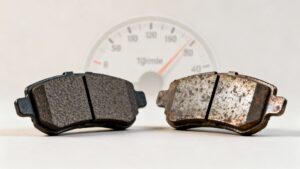
Brakes give clear warnings before they fail: a high-pitched squeal when you press the pedal, a grinding metal-on-metal noise, or a pulsing sensation under your foot. Squealing means the wear indicator is contacting the rotor. Grinding means the pad material is gone entirely and steel is cutting into the rotor surface.
Ignoring worn pads long enough turns a $150–$300 pad replacement into a $400–$600 rotor replacement on top of it. Stopping distance increases measurably as pads thin out, which is the direct safety risk. A brake inspection takes minutes and can catch this before the rotor is scored.
2. Underinflated tires and worn tread
A Hankook consumer survey found 70% of drivers hadn’t checked tire pressure in the prior 30 days. Tires lose roughly 1 PSI per month naturally, and temperature swings accelerate that. An underinflated tire runs hot, wears unevenly, and is far more likely to blow out at highway speed.
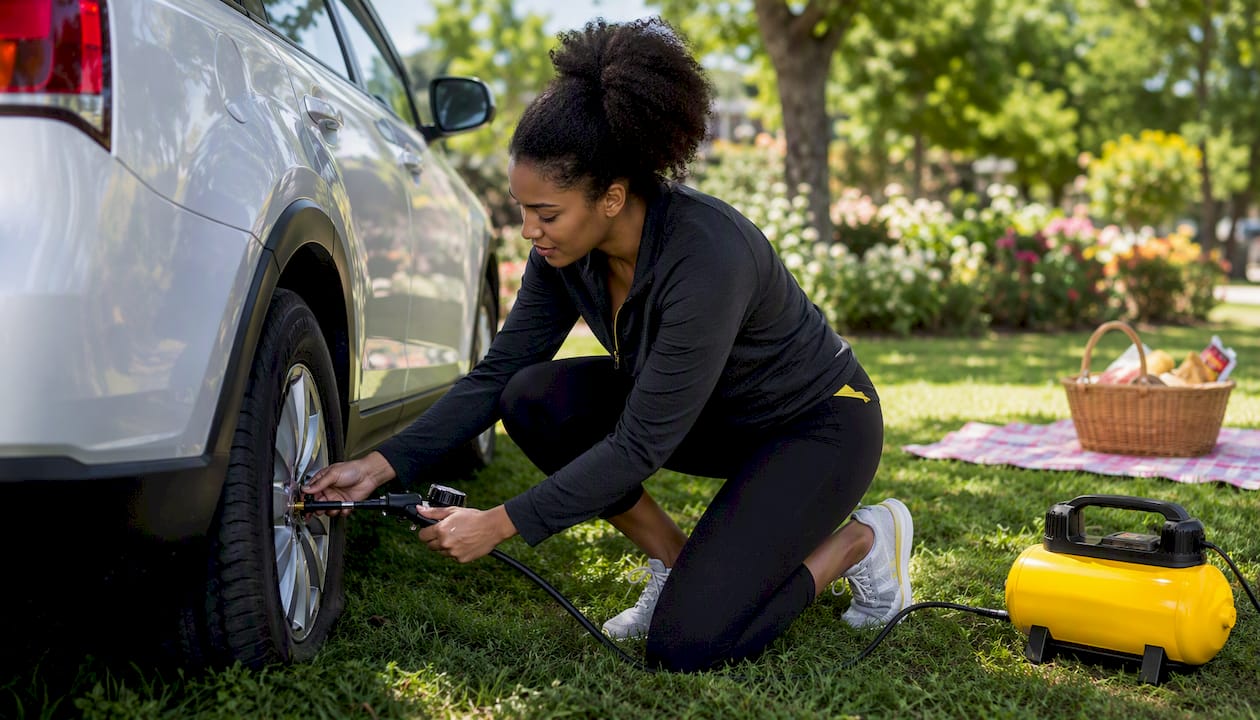
For tread depth, the penny test works: insert a penny into the groove with Lincoln’s head pointing down. If you can see the top of his head, the tread is below 2/32" and the tire needs replacing. Tire-related crashes caused nearly 650 deaths in 2023, a figure that underscores how quickly a slow leak or bald tread becomes a fatal risk.
3. Overdue oil changes and dirty engine oil
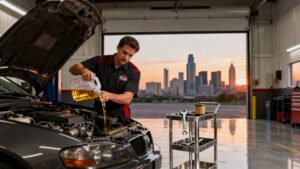
Nearly 20% of vehicles are overdue on oil changes. Old oil thickens, loses its lubricating properties, and leaves sludge deposits on engine components. The result is increased friction, higher operating temperatures, and accelerated wear on bearings and cylinder walls.
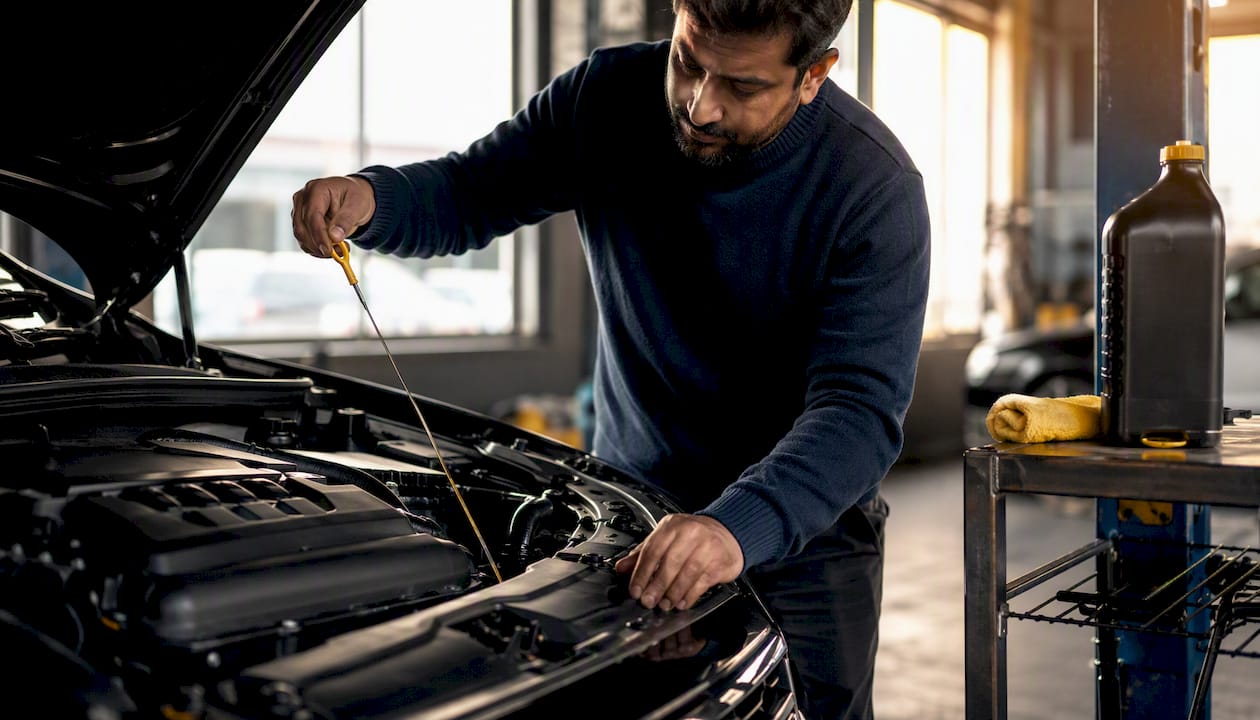
Pull the dipstick. Clean oil is amber and translucent. Black, gritty oil that smells burnt is overdue. Skipping oil changes can ultimately cause engine damage that runs into thousands of dollars, compared to a routine oil change that costs a fraction of that.
4. Neglected coolant, brake fluid, and transmission fluid
73% of drivers surveyed had not topped off vehicle fluids in the prior 30 days. Coolant prevents both overheating and freezing. Brake fluid absorbs moisture over time, which lowers its boiling point and can cause brake fade under hard use. Transmission fluid lubricates and cools the gearbox; a slow transmission fluid leak left unaddressed can destroy a transmission that costs $3,000–$5,000 to replace.
Check fluid levels monthly. Coolant should be between the MIN and MAX marks on the reservoir. Brake fluid in the reservoir should be clear to light yellow; dark brown fluid needs flushing.
5. A weak or corroded battery
Battery terminals corrode gradually, and most drivers never look at them. White or blue-green crust on the terminals increases resistance, which strains the alternator and can prevent the car from starting on a cold morning. Batteries typically last 3–5 years, and a battery that struggles to turn the engine over in warm weather will almost certainly fail in winter.
Signs to watch: slow engine cranking, headlights that dim when you start the car, or a battery warning light. Cleaning terminals with a wire brush and baking-soda solution costs nothing. Replacing a battery before it fails costs $100–$200; a tow and emergency replacement on the side of a highway costs considerably more.
6. Ignoring the check-engine light
The check-engine light covers dozens of fault codes, from a loose gas cap to a failing catalytic converter. Most drivers leave it on for weeks. The problem is that some codes indicate active misfires that damage the catalytic converter with every mile driven, turning a $50 sensor fix into a $1,500 converter replacement.
Engine diagnostics at a shop read the stored fault codes in minutes. An OBD-II scanner from an auto parts store can pull codes yourself for free, but interpreting them correctly and ruling out related faults still benefits from a trained eye.
Pro Tip: If the check-engine light flashes rather than stays steady, that indicates an active misfire. Pull over safely and call a shop rather than continuing to drive.
7. Cracked or chipped windshield glass
A chip smaller than a quarter can be repaired for $50–$100. Left alone through temperature swings and road vibration, that chip spreads into a crack that crosses the driver’s line of sight, at which point the entire windshield needs replacing at $200–$400 or more. A large share of car owners admit waiting 30 days or longer before addressing glass damage, watching cracks spread in the meantime.
Beyond cost, a compromised windshield is a structural component. It contributes to roof integrity in a rollover and supports proper airbag deployment.
8. Clogged engine air filter and cabin air filter
A clogged engine air filter restricts airflow to the combustion chamber, which reduces fuel efficiency and can cause rough idling or hesitation on acceleration. Most manufacturers recommend replacement every 15,000–30,000 miles, but dusty driving conditions shorten that interval. Pull the filter and hold it up to light; if you can’t see light through it, it needs replacing.
The cabin air filter is the one most owners forget entirely. A blocked cabin filter reduces HVAC airflow, strains the blower motor, and lets allergens and particulates into the passenger compartment. Replacement typically costs $20–$50 in parts.
9. Worn belts and deteriorating hoses
The serpentine belt drives the alternator, power steering pump, and air conditioning compressor. A cracked, frayed, or glazed belt that snaps leaves you stranded immediately. Coolant hoses that feel soft, spongy, or show surface cracking are close to failure; a burst hose causes rapid coolant loss and overheating within minutes.
Inspect belts for cracks along the ribbed surface and check hoses by squeezing them when the engine is cold. They should feel firm but pliable, not mushy or brittle. Car and Driver’s maintenance guidance recommends visual belt and hose checks at every oil change.
10. Wheel misalignment and suspension wear
Misalignment is one of the most common neglected issues because the car still drives. The symptoms are subtle at first: the vehicle pulls to one side, the steering wheel sits off-center at highway speed, or tires wear unevenly on one edge. Nearly 30% of vehicles are behind on tire rotations, and misalignment accelerates that uneven wear dramatically.
Worn suspension components, including shocks, struts, and ball joints, reduce your ability to control the vehicle in emergency maneuvers. A car that bounces excessively after hitting a bump or pulls during braking needs a suspension inspection.
11. Worn spark plugs and ignition system neglect
Spark plugs fire thousands of times per minute. Worn plugs misfire, which causes rough idling, poor fuel economy, slow acceleration, and the check-engine light. Most modern vehicles use iridium or platinum plugs rated for 60,000–100,000 miles, but that interval assumes clean fuel and proper maintenance. Fouled plugs from oil consumption or rich fuel mixtures fail much sooner.
A misfiring cylinder also dumps unburned fuel into the exhaust, which damages the catalytic converter over time. Plug replacement is inexpensive; converter replacement is not.
12. Rust, corrosion, and underbody neglect
Surface rust on brake rotors after a rainy day is normal and clears with driving. Structural rust on frame rails, subframe mounting points, or brake lines is a different matter entirely. Road salt in northern states accelerates corrosion dramatically. Brake lines that rust through fail without warning.
Inspect the underbody annually, especially after winter. Rust-inhibiting undercoating applied early is far cheaper than replacing corroded brake lines or structural components. Bubbling paint on body panels signals rust working from underneath, and addressing it early prevents it from spreading to structural metal.
Why owners delay maintenance and how cascade failures happen
Industry experts report that owners often perceive deferred maintenance as low-risk because symptoms don’t immediately stop the car. That false sense of security is one of the leading drivers of cascading failures. Economic pressure, time constraints, and the “if it still runs, it’s fine” mindset all contribute, according to consumer behavior research from The Zebra and trade reporting.
“Deferred repairs allow damage to cascade across systems, turning inexpensive early fixes into costly repairs. Shops frequently see owners who could have spent $200 on a coolant hose replacement and instead face a $2,000 head-gasket repair because the engine overheated repeatedly.” — Industry technician insight via Sunbit knowledge center
A small coolant leak is a clear example. The leak itself might cost $80–$150 to fix. Left alone, the coolant level drops, the engine runs hot, and sustained overheating warps the cylinder head or blows the head gasket. That repair runs $1,500–$3,000 or more. The FTC’s guidance on auto repair reinforces this: vehicle systems are interrelated, and ignoring one item can trigger failure in connected systems while also voiding warranty coverage if service records are absent.
Pro Tip: Keep every service receipt in a dated binder or a digital folder. Documentation protects your warranty rights and strengthens your position if a dealer or insurer questions whether neglect caused a failure.
Typical cost consequences when you delay repairs
Small neglect escalates fast. The table below maps common issues to realistic delay windows and estimated cost ranges, so you can see exactly what waiting costs.
| Issue | Typical delay window | Early fix estimate | Delayed repair estimate |
|---|---|---|---|
| Worn brake pads | 2–4 months past squeal | $150–$300 (pads only) | $400–$600 (pads + rotors) |
| Minor coolant leak | 1–3 months | $80–$150 | $1,500–$3,000 (head gasket) |
| Cracked windshield chip | 2–6 weeks | $50–$100 (chip repair) | $200–$400+ (full replacement) |
| Weak battery | 1–2 months of slow cranking | $100–$200 (battery) | $200–$400+ (tow + emergency) |
| Clogged engine air filter | 1–2 service intervals | $20–$30 | Reduced MPG + potential engine wear |
| Worn serpentine belt | Months after first cracking | $80–$150 | $300–$600+ (roadside + related damage) |
| Misalignment | Months of uneven wear | $80–$100 (alignment) | $200–$600 (premature tire replacement) |
These are estimates based on industry repair data; actual costs vary by vehicle make, model, and labor rates in your area.
CARFAX data shows 41% of vehicles are overdue for at least one major service, which means the odds are better than even that your vehicle has at least one item on this table already past its service window.
Simple checks you can do right now
You don’t need tools for most of these. A five-minute walk-around and a few under-hood checks cover the majority of common neglect items.
- Tire pressure and tread. Check pressure with a gauge when tires are cold. Use the penny test for tread depth on all four tires.
- Engine oil. Pull the dipstick, wipe it clean, reinsert, and pull again. Check level and color.
- Coolant reservoir. Confirm the level is between MIN and MAX with the engine cold. Note the color; murky brown coolant needs flushing.
- Battery terminals. Look for white or blue-green corrosion. Clean with a wire brush if present.
- Warning lights. Start the car and confirm no warning lights remain on after the initial startup sequence.
- Windshield and wipers. Check for chips, cracks, and wiper blade streaking or skipping.
- Belts and hoses. With the engine off and cool, visually inspect the serpentine belt for cracks and squeeze coolant hoses for firmness.
- Listen and smell. A short drive with the windows down reveals squeals, grinding, clunking, or burning smells that a parked inspection misses.
Following a car maintenance schedule tied to your manufacturer’s mileage intervals keeps these checks from falling through the cracks.
Pro Tip: A short weekly drive, even 10–15 minutes, keeps the battery charged, circulates fluids, and prevents flat-spotting on tires that sit. It’s the lowest-effort habit that prevents the most common no-start events.
How to prioritize repairs using the 30–60–90 rule
Not every issue needs to be fixed this week. The 30–60–90 framework helps you triage what’s urgent, what’s soon, and what can wait a little longer without serious consequence.
| Timeframe | Priority level | Examples |
|---|---|---|
| — | Safety-critical | Grinding brakes, tire bulge or blowout risk, flashing check-engine light, major fluid leak, cracked windshield in driver’s sightline |
| 30–60 days (soon) | Shortens component life | Worn pads approaching metal-on-metal, weak battery in cold weather, misalignment causing rapid tire wear, overdue oil change |
| 60–90 days (schedule) | Increases long-term cost | Clogged cabin filter, minor coolant seep, spark plug replacement at interval, surface rust treatment |
The logic is straightforward: anything that affects your ability to stop, steer, or see goes in the first bucket regardless of cost. Items in the 30–60 day window are damaging other components right now, so delaying them multiplies the eventual repair bill. The 60–90 day items won’t strand you tomorrow, but each month of delay adds wear.
Use a vehicle inspection checklist to map your car’s current status against these three buckets before your next appointment.
When to take your car to a shop
Some symptoms require a professional, not a YouTube video. Go to a shop immediately if you notice any of these:
- Smoke from under the hood or from the exhaust (especially blue or white smoke)
- A burning smell while driving or after stopping
- Brakes that grab, pull hard to one side, or feel spongy all the way to the floor
- Sudden loss of power or the engine cutting out at speed
- A large fluid puddle under the car (not condensation from the A/C)
- Any warning light that flashes rather than stays steady
When you arrive, a good technician will run a diagnostic scan, inspect the reported symptom area, and give you a written estimate before touching anything. Reasonable questions to ask:
- “What caused this specific failure?”
- “Is this safety-critical, or can it wait a few weeks?”
- “What is the repair timeline and the full cost range, including parts and labor?”
- “Are there related components I should inspect at the same time to avoid a second visit?”
- “Does this repair come with a warranty on parts and labor?”
Transparent shops answer all five without hesitation. If an advisor pushes back on written estimates or can’t explain the root cause, that’s a signal to get a second opinion. The FTC’s auto repair guidance gives you the right to a written estimate and to approve work before it begins.
Key Takeaways
Addressing neglected vehicle care issues early costs a fraction of what deferred repairs do, and it keeps you safer on the road every day.
| Point | Details |
|---|---|
| Most neglect is already present | 41% of U.S. vehicles are overdue for at least one major service, so check your car’s status now. |
| Safety items go first | Brakes, tires, and a flashing check-engine light are urgent priorities with no exceptions. |
| Small fixes prevent big bills | A $100 coolant hose repair prevents a $1,500–$3,000 head-gasket job if caught early. |
| Document every service | Keep dated receipts to protect warranty rights and support resale value. |
| Kwik Kar Oil Change & Auto Care | ASE-certified technicians at Kwik Kar Oil Change & Auto Care handle diagnostics, brakes, fluids, batteries, and full inspections with transparent pricing before work begins. |
What ASE technicians actually look for first
The honest truth about vehicle neglect is that most of it is invisible until it isn’t. When an ASE-certified technician does a quick inspection, the first things they check aren’t the obvious ones owners already know about. They look at brake pad thickness on all four corners, not just the front. They check the condition of the coolant, not just the level. They look at belt tension and surface cracking, not just whether the belt is present. They check battery voltage under load, not just resting voltage, because a battery can read 12.6V at rest and still fail to start the car on a cold morning.
The pattern technicians see repeatedly is this: an owner brings in a car for one symptom and the inspection reveals two or three other items that have been quietly degrading for months. A car that came in for an oil change turns out to have a cracked serpentine belt, corroded battery terminals, and brake pads at 2mm. None of those would have been caught without looking. Simple, consistent maintenance would have flagged each one at a fraction of the eventual repair cost.
Kwik Kar Oil Change & Auto Care’s ASE-certified technicians use this same systematic approach on every vehicle, with transparent communication about what they find before any work is authorized.
Kwik Kar Oil Change & Auto Care covers every item on this list
Skipping a shop visit to save money today is the most expensive decision most car owners make. Kwik Kar Oil Change & Auto Care gives you a faster, more affordable path to catching neglected issues before they escalate, with ASE-certified technicians, advanced diagnostic tools, and written estimates before any work begins.
Services that directly address the issues covered in this article include brake inspection and repair, full fluid services (oil, coolant, brake fluid, transmission fluid), battery testing and replacement, check-engine light diagnostics, tire pressure checks and rotations, belt and hose inspections, wheel alignment, and complete multi-point inspections. You can book a full-service maintenance appointment at the Dallas location, or check the current $30 off maintenance coupon to reduce the cost of your first visit. If your check-engine light is on, the engine diagnostics service reads fault codes and identifies root causes the same day.
Useful sources
These are the primary sources referenced throughout this article for readers who want to go deeper on any specific topic.
- CARFAX overdue-service analysis via Autobody News: Data on the percentage of U.S. vehicles overdue for major service, tire rotations, and oil changes, plus NHTSA-cited crash figures.
- Hankook tire survey (PR Newswire): Consumer survey results on tire pressure checks, fluid top-offs, and the “weekly shake-out drive” recommendation.
- FTC Auto Repair Basics: Consumer rights guidance on written estimates, interrelated vehicle systems, and documentation for warranty protection.
- Sunbit knowledge center: deferred repairs: Industry technician and shop perspective on how deferred maintenance cascades into larger system failures.
- Endurance Warranty: skipping routine maintenance: Specific failure modes from skipped oil changes, brake inspections, and filter replacements.
- Auto Care Association: Americans delaying car maintenance: Consumer behavior data on the economic and psychological drivers of maintenance deferment.
- Car and Driver: how to maintain your car: Practical how-to guidance on checking oil, fluids, belts, filters, and tires.
FAQ
What is the most neglected car maintenance task?
Cracked windshield repair tops the list: a large share of car owners admit waiting 30 days or longer before addressing glass damage. Wheel alignment and slow tire leaks are close behind, and nearly 30% of vehicles are behind on tire rotations, which accelerates uneven wear and alignment-related issues.
Why do people delay car maintenance?
Most owners delay because of cost concerns, time constraints, or the belief that a car that still runs doesn’t need attention. Industry research shows this false sense of security is a leading cause of cascade failures, where one deferred repair triggers damage in connected systems.
What are the most common neglected maintenance issues and how can they be prevented?
The most common neglected maintenance issues are worn brake pads, underinflated tires, overdue oil changes, weak batteries, ignored check-engine lights, and delayed tire rotations. Preventing them requires monthly fluid and pressure checks, a visual walk-around every week, and following your manufacturer’s mileage-based service intervals.
What is the 30–60–90 rule for car maintenance?
The 30–60–90 rule is a triage framework: fix safety-critical items (grinding brakes, tire bulges, major leaks) within 30 days, address items that are shortening component life (worn pads, weak battery, misalignment) within 30–60 days, and schedule lower-urgency items (cabin filter, minor seeps, spark plugs at interval) within 60–90 days.
When should I take my car to a shop instead of waiting?
Go immediately if you see smoke, smell burning, notice brakes that grab or feel spongy, experience sudden power loss, or see a large fluid puddle under the car. A flashing check-engine light also requires same-day attention. Kwik Kar Oil Change & Auto Care’s auto repair services cover all of these with same-day diagnostics and written estimates before work begins.