


The fastest way to streamline your vehicle maintenance schedule is to combine your owner’s manual intervals with automated reminders and a simple log you actually update. That’s the whole system. Here’s what it needs:
- Your owner’s manual or OEM service intervals as the baseline
- Odometer or calendar triggers, whichever comes first
- One tracker (app or spreadsheet), not three half-used ones
- A 500-mile or 30-day advance-notice window so nothing sneaks up on you
- An ASE-certified technician on call for anything beyond oil and filters
Right now, before you do anything else: pull up your VIN or owner’s manual PDF and bookmark it. That’s the whole first step, and it takes less than ten minutes.
Key Takeaways
Streamlining a vehicle maintenance schedule works best when OEM intervals, automated reminders, and a single simple tracker replace guesswork and memory.
| Point | Details |
|---|---|
| Start with the manual | Pull your official OEM intervals from the owner’s manual or manufacturer service site before building anything else. |
| Automate the trigger | Set mileage or calendar reminders with a 500-mile or 30-day advance window so nothing gets missed. |
| Use one tracker | A single spreadsheet or app, kept current, beats three abandoned systems. |
| Adjust for real driving | Shorten intervals by 20 to 25 percent for towing, short trips, or dusty conditions. |
| Hand off major work | Kwik Kar Oil Change & Auto Care’s ASE-certified technicians handle milestone services and log them to your service history. |
Table of Contents
- What Is a Vehicle Maintenance Schedule, and Where Do You Find Yours?
- Why Sticking to a Maintenance Schedule Saves You Money
- Key Maintenance Tasks and When They’re Due
- How to Build a Tailored Maintenance Schedule You’ll Actually Follow
- Tools That Automate Reminders and Keep Your Records Straight
- What Records to Keep and Why They Matter
- When to Call a Professional and What to Ask
- A Printable 30/60/90k Quick Checklist
- Let Kwik Kar Oil Change & Auto Care Handle the Schedule for You
- Sources
- FAQ
What Is a Vehicle Maintenance Schedule, and Where Do You Find Yours?
A vehicle maintenance schedule is a list of specific tasks paired with the mileage or time interval that triggers each one, based on your exact make, model, and year. It’s not a general rule of thumb. Your Honda’s schedule and your neighbor’s Ford F-150 schedule are built around different engines, different drivetrains, and different engineering assumptions.
Your official schedule lives in three places: the printed or digital owner’s manual, the manufacturer’s dedicated service portal (Ford, for instance, publishes detailed owner manual content with maintenance intervals by model), and government resources like Fueleconomy, which ties maintenance choices to fuel-economy outcomes.
- Owner’s manual: the single most authoritative source for your vehicle
- Manufacturer service site: searchable by VIN, often more current than a printed manual
- FuelEconomy.gov: useful for understanding how maintenance affects mileage and running costs
Pro Tip: Save your VIN decoder page or manual PDF as a browser bookmark now. You’ll reference it every time you schedule a service, and digging for it later wastes ten minutes you don’t have.
Why Sticking to a Maintenance Schedule Saves You Money
Skipped maintenance doesn’t disappear. It compounds. A missed coolant flush turns into a cracked head gasket. A neglected timing belt turns into a wrecked engine. Consumer Reports’ maintenance checklist lays out typical service price ranges specifically so owners can budget for small, routine costs instead of getting blindsided by large ones.
A well-documented service history routinely factors into resale valuations because buyers and dealers use it to gauge how a vehicle was actually treated, not just how it looks.
Three things a schedule protects, in order of what hits your wallet hardest:
- Repair costs stay smaller and more predictable when caught early
- Reliability improves, meaning fewer roadside surprises and missed workdays
- Resale value climbs when you can hand a buyer a clean, complete service log
Key Maintenance Tasks and When They’re Due
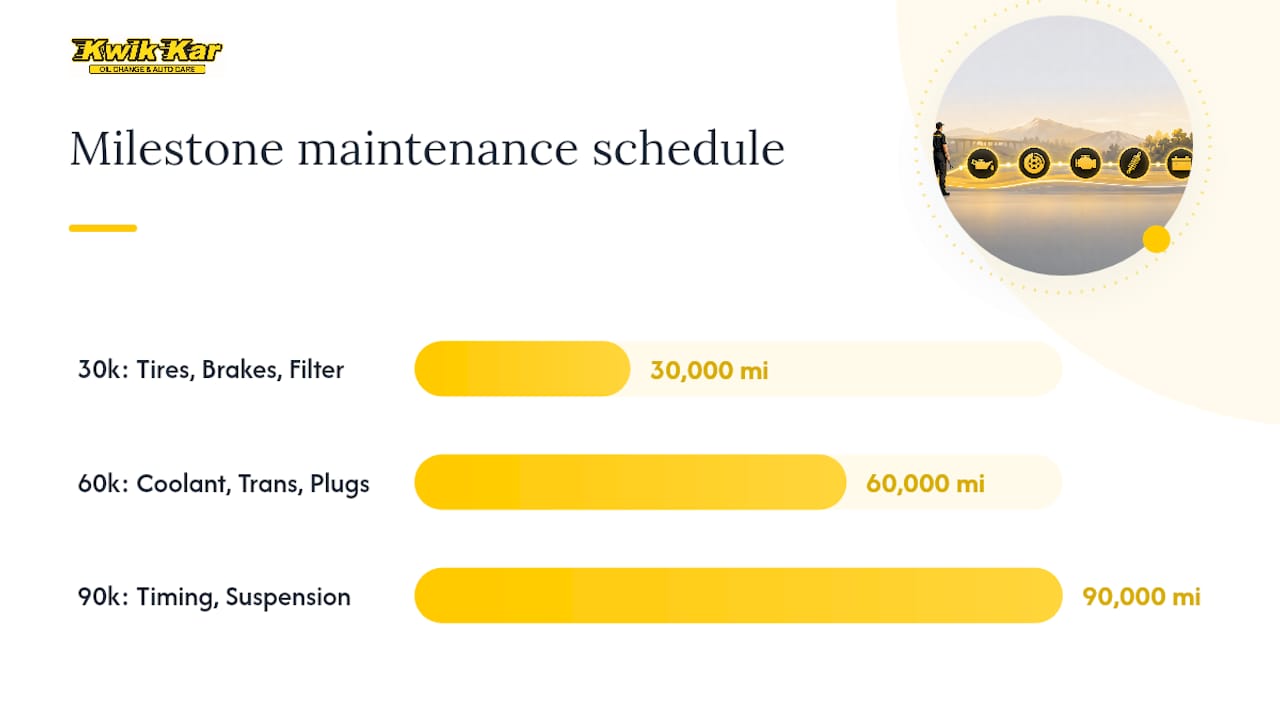
Most schedules break into two layers: frequent low-cost checks and mileage-based milestone services. Kelley Blue Book’s maintenance guide frames this as the 30k/60k/90k milestone system, layered on top of monthly and seasonal checks, while always deferring to your owner’s manual for exact numbers.
Frequent checks:
- Tire pressure and tread, monthly, prevents uneven wear and blowouts
- Fluid levels (oil, coolant, washer fluid), monthly, catches leaks early
- Wiper blades and lights, every 3 to 6 months, keeps you visible and legal
- Battery terminals and charge, every 6 months, avoids no-start mornings
Milestone services (miles or “whichever comes first”):
| Milestone | Typical task | Why it matters |
|---|---|---|
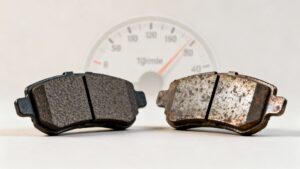
| 30,000 miles | Tire rotation, brake inspection, air filter | Prevents uneven wear and catches thinning brake pads |
| 60,000 miles | Coolant flush, transmission fluid check, spark plugs | Protects against overheating and drivetrain wear |
| 90,000 miles | Timing belt or chain inspection, suspension check | Avoids catastrophic engine failure on belt-driven engines |
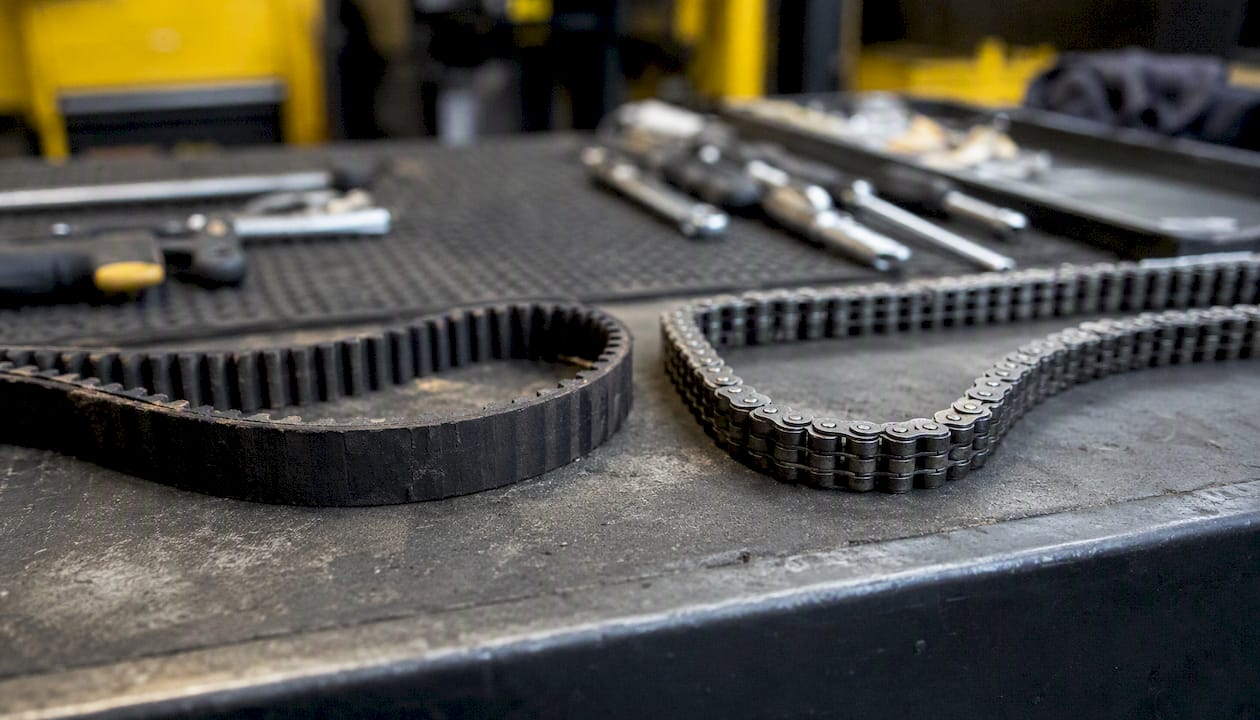
Timing belts and timing chains are treated differently. Timing belts require replacement at manufacturer-specified intervals because they can fail without warning, whereas timing chains typically last the life of the engine. Your owner’s manual specifies which your engine uses and the recommended maintenance schedule.
How to Build a Tailored Maintenance Schedule You’ll Actually Follow
A generic checklist fails the moment your driving habits differ from the “average” driver Ford or Toyota designed the schedule around. Building your own tailored version takes five steps.
- Inventory your vehicle. Write down the VIN, current odometer reading, and the date and mileage of your last few services.
- Import OEM intervals as your baseline. Copy every task and interval from your owner’s manual, flagging any “whichever comes first” rules.
- Set your triggers. Decide whether mileage or calendar time will govern each task, and pick an advance-notice window, 500 miles or 30 days works for most drivers.
- Build the calendar. Stagger tasks so you’re not paying for four services in the same month; spread milestone work across a few weeks if your budget is tight.
- Commit to a monthly review. Five minutes checking your tracker against your actual odometer keeps the whole system honest.
Fleetio’s guide to preventive maintenance programs recommends shortening intervals for high-utilization driving, towing, short trips, dusty roads, rather than sticking rigidly to standard mileage bands, a concept also essential when you follow the Essential Maintenance Checklist for Golf Course Vehicles to keep your specialty vehicles in top condition.
Pro Tip: If you tow, idle a lot, or drive mostly short trips under five miles, treat your OEM intervals as the outer limit, not the target. Cut them by 20 to 25 percent and you’ll rarely be caught off guard.
Tools That Automate Reminders and Keep Your Records Straight
You have three realistic options, and none of them require becoming a spreadsheet expert. A cloud spreadsheet like Google Sheets can replicate most paid tracker features at no cost, according to Synergy Labs’ car maintenance sheet guide, using conditional formatting to flag overdue tasks and formulas to calculate next-due dates automatically.
A single-vehicle maintenance app works well if you want push notifications without building anything yourself. Connected telematics, where the car reports its own odometer wirelessly, removes manual entry entirely and suits people who forget to log mileage.
- Spreadsheet fields to include: date, odometer, task, next due, shop, cost, receipt image
- Calendar sync: add each next-due date directly to your phone calendar so it surfaces without opening a separate app
- Email rule: auto-file service receipts into a labeled folder the moment they land
Fleet software like Fleetio makes sense once you’re managing multiple vehicles and need centralized service history across drivers. For one or two personal vehicles, it’s overkill.
Pro Tip: Set one automation rule today: forward every service receipt email to a dedicated folder. It takes two minutes and solves the “where did I put that invoice” problem permanently.
What Records to Keep and Why They Matter
A service log is only useful if it captures enough detail to answer questions later, whether that’s a warranty dispute or a buyer asking for proof. The Magica App maintenance log guide recommends eight fields that balance completeness with speed of entry.
- Date and odometer: anchors every other field in time
- Service performed and parts used: proves exactly what was done
- Cost: builds a real picture of your annual ownership expense
- Who performed it: matters for warranty claims tied to certified work
- Notes and receipt: catches anything unusual, backed by physical proof
Pro Tip: Photograph every receipt the moment you’re handed it and attach it to that log entry immediately. A shoebox of paper receipts is where record-keeping systems go to die.
When to Call a Professional and What to Ask
Oil changes, filters, and wiper blades are reasonable DIY territory for most owners. Timing belt replacement, major diagnostics, and transmission work are not, that’s where an ASE-certified technician with proper diagnostic equipment earns their fee.
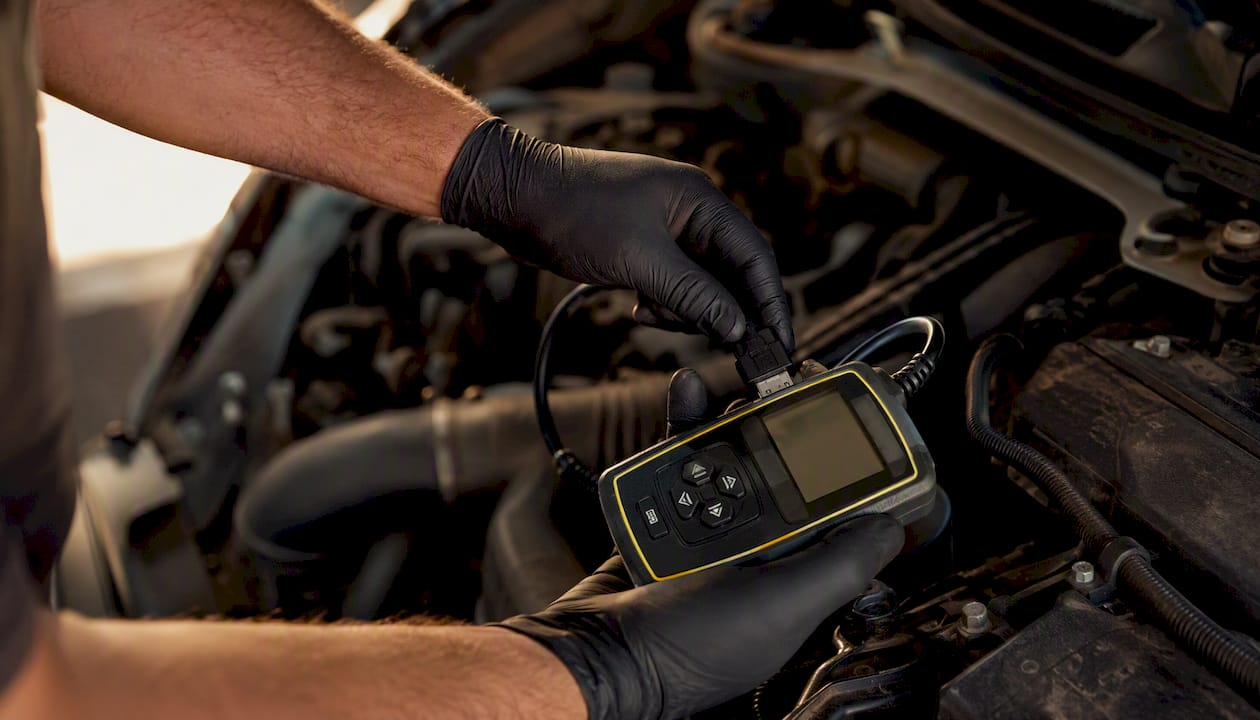
Ford’s own service documentation recommends multi-point inspections at scheduled service intervals, not just when something already feels wrong.
Before you book, ask the shop:
- How long will the job realistically take?
- Are parts OEM or aftermarket, and what’s the warranty on each?
- Will this service get logged into my vehicle’s documented history?
- Is a written estimate provided before work starts?
A Printable 30/60/90k Quick Checklist
Print this or copy it straight into your tracker.
- 30k miles: rotate tires, inspect brake pads, replace cabin and engine air filters
- 60k miles: flush coolant, inspect transmission fluid, replace spark plugs, check belts and hoses
- 90k miles: inspect or replace timing belt (if applicable), check suspension components, replace fuel filter if equipped
- If you tow or drive on dusty roads, move coolant and transmission service up by roughly 10,000 miles
- If most of your driving is short trips under five miles, shorten oil and filter intervals rather than milestone-based items
A practical approach that actually sticks
Perfect systems fail because they’re too much work. A one-page schedule you check monthly beats an elaborate app you abandon in March. ASE-certified technicians back this exact logic: start with the OEM baseline, automate the reminder, and let the system carry the mental load instead of your memory.
Let Kwik Kar Oil Change & Auto Care Handle the Schedule for You
Building and maintaining your own tracker is the right move for plenty of owners, but if you’d rather someone else carry that mental load, Kwik Kar Oil Change & Auto Care runs your OEM schedule for you and keeps the paperwork straight.
Every visit includes a multi-point inspection, a written estimate before any work begins, and service performed by ASE-certified technicians whose work is backed by warranty coverage. You get a documented, timestamped service history without lifting a finger. If you manage more than one vehicle, whether that’s a family or a small fleet, that consistency matters even more.
Schedule a preventive maintenance appointment and ask about maintenance packages built around your specific make and model. It’s the same OEM-based system this guide walks through, just handled for you.
Sources
- Fueleconomy
- Consumer Reports’ Guide to Car Maintenance
- KBB maintenance guide
- Fleetio blog — 5 components of fleet preventive maintenance
FAQ
How do I find out my car’s maintenance schedule?
Check your owner’s manual first, either the printed copy or the PDF on your manufacturer’s service content site. It lists every task and interval specific to your model.
What is the 30-60-90k maintenance schedule?
It’s a milestone framework where mileage marks (30,000, 60,000, and 90,000 miles) trigger bundles of related services, tire rotation and brake checks at 30k, fluid flushes at 60k, and timing belt inspection at 90k, as outlined in Kelley Blue Book’s guide.
At what mileage should maintenance be done?
It depends on the specific task: monthly checks like tire pressure aren’t mileage-based at all, while milestone services follow the 30k/60k/90k pattern unless your manual specifies different numbers for your engine.
Does Kwik Kar Oil Change & Auto Care log my service history?
Yes. Every service performed at Kwik Kar Oil Change & Auto Care gets documented, giving you a verifiable record for warranty claims or resale.