This vehicle inspection checklist helps you maintain your car and avoid costly repairs. From checking fluid levels and tire pressure to inspecting brakes and lights, this list covers essential maintenance. Regular vehicle inspections are crucial for safety and preserving your car's lifespan. Whether you're in Dallas or anywhere else, this checklist empowers you to catch potential issues early. Following these steps helps ensure your vehicle's reliability and keeps you safe on the road.
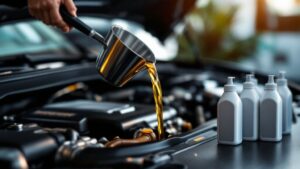
A crucial part of any vehicle inspection checklist is the fluid levels inspection. This comprehensive check involves examining all essential vehicle fluids, including engine oil, coolant, brake fluid, power steering fluid, transmission fluid, and windshield washer fluid. Maintaining proper fluid levels is paramount for optimal vehicle operation, ensuring proper lubrication, cooling, and the effective functioning of safety systems. This seemingly simple check can prevent costly damage and ensure your vehicle's longevity. A thorough fluid level inspection goes beyond just checking the amount; it also involves assessing the fluid's color and clarity to detect potential contamination or degradation.
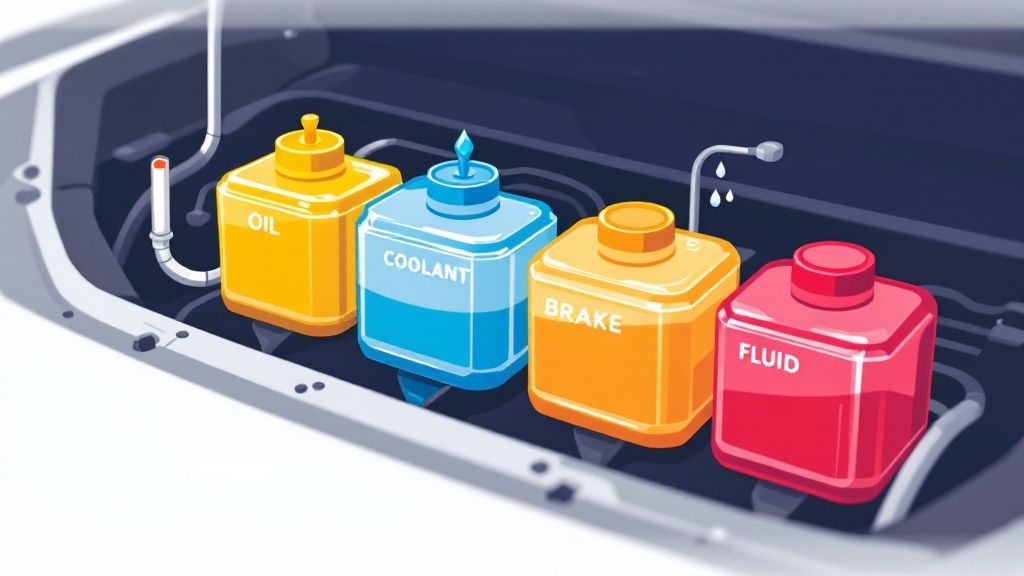
This inspection involves several key features: visually inspecting the fluid's color and clarity, measuring the fluid level against the minimum/maximum indicators on the dipstick or reservoir, checking for any leaks or seepage around the fluid containers and related components, and assessing the fluid's overall condition for signs of contamination or degradation. For instance, dark, sludgy oil indicates the need for an oil change, while a milky appearance in the coolant could signal a blown head gasket.
Why is Fluid Level Inspection Important for Your Vehicle Inspection Checklist?
Including a fluid levels inspection in your vehicle inspection checklist, whether you're a Dallas resident or anywhere else, is essential for several reasons: it prevents costly engine and transmission damage by ensuring proper lubrication and cooling; it identifies potential problems before they escalate into major breakdowns, saving you time and money on repairs; it improves vehicle reliability and longevity by maintaining optimal operating conditions; and thankfully, many fluid checks can be performed easily without specialized tools. This makes it a practical step for both routine maintenance and pre-trip inspections.
However, there are a few challenges to consider. Some fluid checks, like the coolant level, require the engine to be cold to avoid burns, while others, like the transmission fluid, need the engine to be warm for an accurate reading. Certain fluid checks may also require lifting the vehicle for access. Additionally, modern vehicles often have sealed systems that can be more difficult to inspect visually.
Examples of Successful Implementation:
Industry-standard inspection protocols, such as those followed by ASE (Automotive Service Excellence) certified technicians, emphasize the importance of fluid level checks. Many routine maintenance services, like Jiffy Lube's Signature Service Oil Change, include an inspection of several key fluids. Organizations like AAA also prioritize fluid level checks in their maintenance inspection checklists. These examples highlight the widespread recognition of fluid level inspection as a critical aspect of vehicle maintenance.
Actionable Tips for Conducting a Fluid Level Inspection:
Pros:
Cons:
By incorporating these tips and understanding the importance of fluid level inspections, you can contribute significantly to the health and longevity of your vehicle, whether you're in the city of Dallas or elsewhere. This proactive approach to maintenance can save you money and hassle in the long run.
A crucial part of any vehicle inspection checklist is a thorough tire condition and pressure check. This involves examining all tires, including the spare, for proper inflation, adequate tread depth, even wear patterns, and any signs of damage or excessive age. Tires are the sole point of contact between your vehicle and the road, making their condition paramount for safety, handling, fuel efficiency, and overall driving comfort. This check is essential for anyone from daily commuters in Dallas to commercial fleet managers ensuring the safety and efficiency of their vehicles.
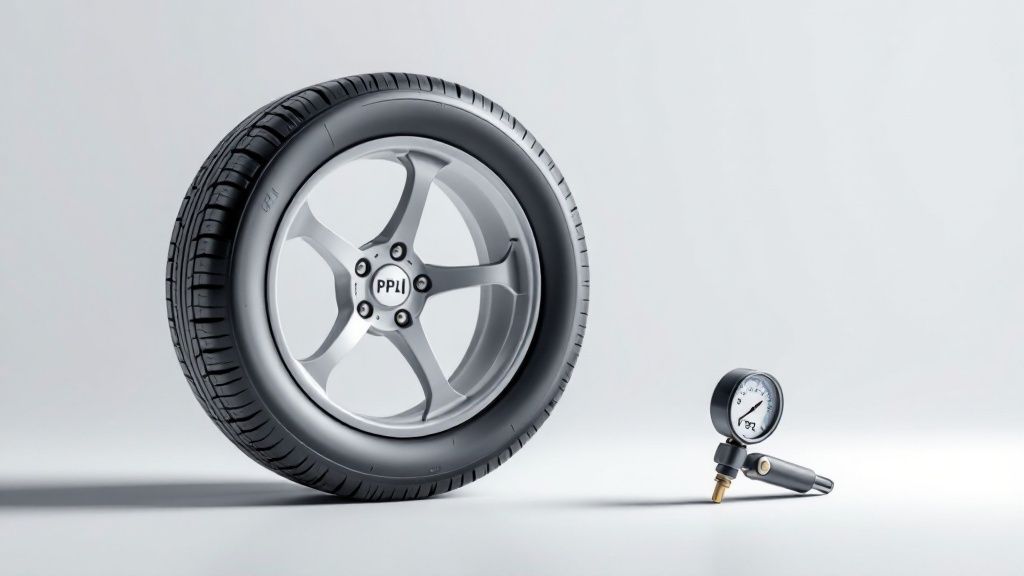
This check involves several key features: measuring pressure with a calibrated gauge, assessing tread depth with a depth gauge or the penny test, inspecting sidewalls for cracks, bulges, or punctures, and looking for uneven wear patterns that may indicate alignment issues. Properly inflated tires can improve fuel economy by up to 3%, extend tire lifespan, and drastically improve vehicle handling and braking performance. They also significantly reduce the risk of blowouts and accidents. Learn more about Tire Condition and Pressure Check. This is especially important for those in the City of Dallas, where varying road conditions and temperatures can impact tire health.
However, there are some considerations. Tire pressure fluctuates with temperature changes, so it's crucial to check pressure when tires are "cold" – before driving. Visual inspections, while helpful, might not reveal internal tire damage. Additionally, modern run-flat tires can sometimes mask pressure problems, potentially leading to further damage if ignored.
Examples of Implementation:
Actionable Tips for Vehicle Owners:
Including a tire condition and pressure check in your vehicle inspection checklist offers substantial benefits, from safety and performance improvements to cost savings through better fuel economy and extended tire life. This simple check deserves its place on the list due to its significant impact on overall vehicle safety and performance. Organizations like Michelin and Tire Rack, through their safety campaigns and educational content, have long highlighted the importance of regular tire maintenance, further demonstrating the crucial role of this simple yet effective check.
A thorough brake system inspection is a crucial part of any vehicle inspection checklist, ensuring your safety and preventing costly repairs down the road. This process involves a comprehensive evaluation of all brake components to identify wear and tear and maintain optimal performance. It's a critical step for anyone, from daily commuters in Dallas to commercial fleet managers, looking to keep their vehicles in top condition and comply with vehicle inspection requirements. This inspection examines everything from the visible brake pads and rotors to the less accessible hydraulic system and electronic components.
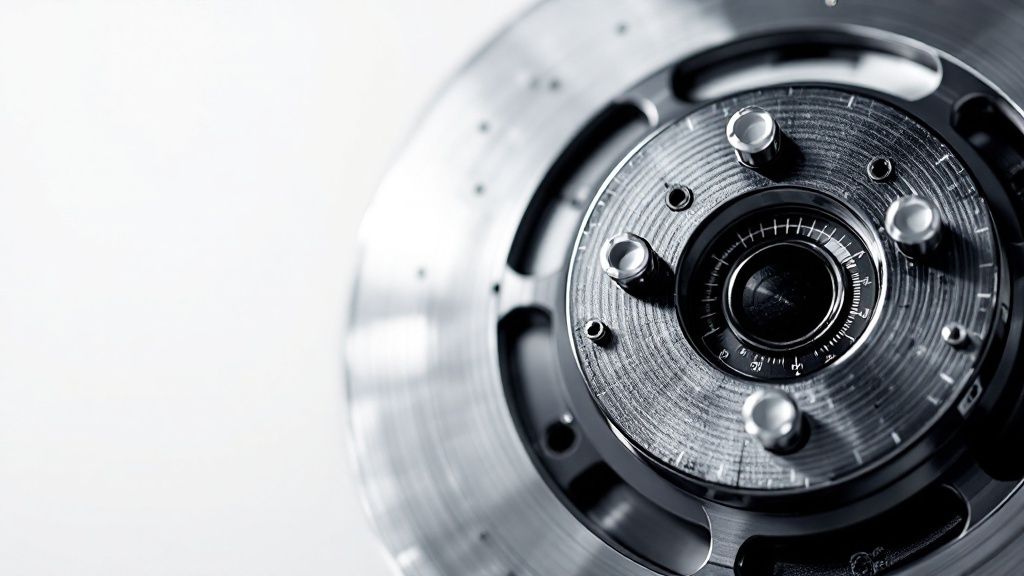
The inspection typically includes a visual check of brake pad thickness, measuring rotor/drum thickness and looking for signs of damage like warping or scoring. The mechanic will also test the hydraulic system for leaks, checking brake lines and connections. Furthermore, the brake pedal feel and responsiveness are evaluated to identify any issues with the master cylinder, booster, or other components. Modern vehicles often have electronic parking brakes and ABS systems, which require specialized diagnostic tools for a complete assessment.
Features of a thorough brake inspection include:
Pros:
Cons:
Examples of successful implementations of brake system inspections include industry standards like those used by the FMCSA Commercial Vehicle Safety Alliance, and state vehicle inspection programs in places like Texas and Pennsylvania. Service centers like Midas also offer comprehensive brake inspections with visual reports. Learn more about Brake System Inspection for Dallas residents.
Tips for car owners in the City of Dallas:
The brake system is undeniably critical for vehicle safety, making a brake system inspection a deserved and essential item on any vehicle inspection checklist. Companies like Brembo, known for their racing brake technology, and Akebono, a major OEM brake component supplier, have helped popularize the importance of proper brake maintenance and inspection. For residents of Dallas seeking reliable brake repair and maintenance, including those needing to meet state inspection requirements, a thorough brake system inspection offers peace of mind and ensures safe and reliable vehicle operation.
A thorough lighting and electrical systems check is a crucial part of any vehicle inspection checklist. This involves inspecting all lights, both inside and outside the vehicle, as well as key electrical components like the battery, alternator, fuses, and wiring. Functional lighting is not just legally required; it's paramount for safe driving, ensuring visibility at night and effective communication with other drivers on the road. This check contributes significantly to preventing accidents and maintaining the overall health of your vehicle.

This inspection includes a function test of all exterior lights (headlights, taillights, brake lights, turn signals, reverse lights) and interior lights (dome, dashboard, map lights). The battery terminals are checked for corrosion, and a load test and voltage measurement assess the battery's health. The alternator's output is also tested to ensure it's charging the battery properly. These checks, when included in a comprehensive vehicle inspection checklist, proactively address potential electrical issues before they become major problems.
Features of a Lighting and Electrical Systems Check:
Pros:
Cons:
Examples of Implementation and Importance:
Tips for Conducting a Lighting and Electrical Systems Check:
Influential Brands in Lighting and Electrical Systems:
This portion of the vehicle inspection checklist deserves its place due to the critical role lighting and electrical systems play in safety and vehicle operation. By being proactive and performing these checks regularly, drivers in Dallas and elsewhere can avoid breakdowns, ensure compliance with regulations, and significantly improve their safety on the road. This is particularly relevant for Dallas residents navigating the city's busy streets and highways. For fleet managers in the City of Dallas, regular lighting and electrical system checks translate to reduced downtime and improved operational efficiency. Whether you're a budget-conscious car owner or managing a commercial fleet, including this check in your regular maintenance is a cost-effective way to prevent potentially expensive repairs down the line.
This crucial part of any thorough vehicle inspection checklist focuses on the heart of your car: the engine and its emissions systems. A comprehensive assessment of engine operation, performance parameters, and emissions control systems can reveal underlying issues before they escalate into costly repairs. This includes checking for warning lights, unusual noises, exhaust quality, and overall engine behavior. Proper engine function directly affects reliability, fuel economy, emissions compliance, and your overall driving experience, making it a vital aspect of any vehicle inspection. Whether you're a car owner in Dallas seeking routine maintenance, a fleet manager in the city of Dallas ensuring compliance, or simply a budget-conscious driver looking for preventive care, understanding your engine's performance is essential.
How it Works:
Evaluating engine performance and emissions involves a multi-pronged approach:
Examples of Successful Implementation:
California's stringent emissions testing program highlights the importance of maintaining a properly functioning emissions system. Programs like this ensure vehicles meet environmental standards and contribute to cleaner air. Similarly, Ford's PowerStroke diesel diagnostic protocol demonstrates how manufacturers develop specific procedures for assessing complex engine systems.
Pros:
Cons:
Tips for Vehicle Owners:
Learn more about Engine Performance and Emissions Systems
This aspect of a vehicle inspection checklist is crucial because it addresses the core functionality and environmental impact of your vehicle. From ensuring efficient combustion to minimizing harmful emissions, a thorough engine and emissions system check contributes significantly to the longevity, performance, and legality of your vehicle. Whether you're a Dallas resident seeking routine maintenance or a commercial fleet operator in the city of Dallas aiming for peak efficiency, this item deserves its place on every vehicle inspection checklist. Bosch's diagnostic systems, widely used by professional mechanics, and Innova's consumer-grade OBD scanners, further highlight the importance and accessibility of this crucial inspection component.
A thorough vehicle inspection checklist must include a comprehensive steering and suspension inspection. This critical examination assesses the condition of components responsible for your vehicle's handling, stability, ride comfort, and even tire wear. Ignoring these systems can compromise safety and lead to costly repairs down the line. This inspection plays a crucial role in preventing accidents, extending the life of your tires, and ensuring a smooth, comfortable ride. It's an essential part of any vehicle inspection checklist.
How it Works:
The steering and suspension inspection involves a multi-faceted approach:
Features and Benefits:
Pros:
Cons:
Examples of Successful Implementation:
Actionable Tips for Vehicle Owners:
Popularized By:
When and Why to Use This Approach:
This inspection should be part of any routine vehicle maintenance schedule. It's especially important before long trips, after hitting a pothole or curb, and if you notice any changes in your vehicle's handling or ride quality. For Dallas residents and those in the City of Dallas, including this in your vehicle inspection checklist ensures your car is safe and reliable for navigating the city's roads. This inspection is valuable for car owners, commercial fleet managers, and anyone needing state inspections or compliance checks. It benefits both budget-conscious customers and those seeking high-performance enhancements. By adhering to a regular vehicle inspection checklist that includes a thorough steering and suspension check, you're prioritizing safety, performance, and long-term cost savings.
A crucial part of any thorough vehicle inspection checklist is the windshield and wiper system check. This inspection ensures your clear visibility on the road, a factor paramount to safe driving, especially during inclement weather. Neglecting this system often leads to reduced visibility and potentially dangerous situations when rain, snow, or debris obstruct your view.
This check involves a few key areas:
Why this check is crucial for your vehicle inspection checklist:
This seemingly simple check can prevent dangerous situations caused by impaired visibility. Early detection of minor damage can save you from costly repairs down the line. A clear windshield and functioning wiper system are essential for safe driving in all weather conditions.
Pros:
Cons:
Examples of Successful Implementation:
Actionable Tips:
Popularized By:
This comprehensive windshield and wiper system check is a vital component of any vehicle inspection checklist. By taking these simple steps, you can ensure optimal visibility and contribute significantly to your safety on the road, whether you're a Dallas resident navigating city streets or a fleet manager overseeing commercial vehicles. Prioritizing this aspect of vehicle maintenance aligns with the needs of both budget-conscious car owners and those seeking the highest level of safety and performance.
| Inspection Item | Implementation Complexity 🔄 | Resource Requirements 💡 | Expected Outcomes 📊 | Ideal Use Cases 💡 | Key Advantages ⭐ / ⚡ |
|---|---|---|---|---|---|
| Fluid Levels Inspection | Moderate – some checks need vehicle positioning, temperature considerations | Basic tools like dipsticks, flashlight, possible lifting equipment | Prevents engine/transmission damage; improves reliability | Routine maintenance; pre-trip checks | ⭐ Prevents costly repairs; ⚡ Quick for many checks |
| Tire Condition and Pressure Check | Low – simple gauges and visual inspection | Tire pressure gauge, tread depth gauge/penny | Improved safety, fuel economy, extended tire life | Monthly checks; pre-trip safety | ⭐ Enhances safety; ⚡ Fast and easy to perform |
| Brake System Inspection | High – wheel removal often needed; some diagnostic tools required | Specialized tools recommended for full assessment | Ensures stopping power; prevents brake failure | Safety-critical inspections; regular service | ⭐ Critical safety; early problem detection |
| Lighting and Electrical Systems Check | Low to moderate – mostly functional tests, some equipment for battery | Basic tools; multimeter or battery tester for accuracy | Prevents legal issues; improves visibility and reliability | Annual inspections; troubleshooting lighting/battery | ⚡ Many checks without special tools; ⭐ Improves safety |
| Engine Performance and Emissions Systems | High – requires OBD-II scanner and visual checks | Diagnostic scan tool, potential fuel system tools | Maintains performance, fuel economy, emissions compliance | Diagnostic troubleshooting; emission testing | ⭐ Prevents major failures; tech-driven efficiency |
| Steering and Suspension Inspection | High – requires under-vehicle access, special equipment for some tests | Lift/platform recommended; manual tools | Detects unsafe handling issues; improves ride comfort and tire life | Performance and safety checks; post-accident assessment | ⭐ Enhances safety and comfort; prevents tire wear |
| Windshield and Wiper System Check | Low – visual and functional tests | Minimal tools; washer fluid and replacement blades | Maintains visibility; prevents spread of windshield damage | Seasonal maintenance; visibility-critical conditions | ⚡ Quick checks; ⭐ Improves driver safety |
Regular maintenance is the key to a healthy and reliable vehicle. This vehicle inspection checklist, covering everything from fluid levels and tire condition to brake systems and engine performance, empowers you to take proactive steps towards preventing costly repairs and ensuring your safety on the road. Remember, catching potential issues early, whether it's a worn tire or a faulty light, can save you significant time, money, and stress down the line. Regular maintenance, including cleaning, is crucial for all parts of your vehicle, including security features like window screens. For tips on proper cleaning of security screens, see this helpful guide: how to clean security screens. Source: How to Clean Security Screens: Expert Tips from XL Security and Blinds.
By mastering these simple checks, you're not just maintaining your car; you're investing in its longevity and your peace of mind. Especially for Dallas residents navigating the busy streets of the city of Dallas, a well-maintained vehicle contributes to a safer and smoother driving experience. Regular vehicle inspections provide you with the confidence of knowing your car is in top condition, ready for whatever the road throws your way.
Need assistance with your vehicle inspection or prefer the expertise of trained professionals? Kwik Kar Oil Change and Auto Care offers comprehensive vehicle inspection services, ensuring your car meets all necessary requirements and runs smoothly. Visit Kwik Kar Oil Change and Auto Care today to schedule your inspection and experience the Kwik Kar difference.