

Import vehicle service is the specialized maintenance and repair performed on foreign-brand cars, trucks, and SUVs, such as Toyota, Honda, BMW, and Mercedes-Benz, by technicians trained in their unique systems and components. In the U.S., the term “import vehicle” typically refers to these foreign-brand models rather than the strict customs definition of any car physically brought across the border. Understanding what import vehicle service involves helps you make smarter decisions about care, costs, and who you trust with your car.
Key aspects of import vehicle service include:
- Maintenance and repairs tailored to foreign-brand engineering and specifications
- Use of parts sourced from specialty suppliers or manufacturer networks
- Compliance awareness around Federal Motor Vehicle Safety Standards (FMVSS) and EPA emission rules
- Oversight from agencies including U.S. Customs and Border Protection (CBP), NHTSA, and the EPA
- Diagnostics and service by technicians familiar with foreign-brand systems
What types of import vehicles exist, and how does U.S. regulation affect them?
Not every imported vehicle enters the country the same way, and the differences matter when it comes to service and compliance.
Legal, conforming imports carry a manufacturer’s certification label confirming they meet all applicable FMVSS. These vehicles, which include most Toyota, Honda, and BMW models sold through authorized U.S. dealers, can be imported and serviced without additional modification.
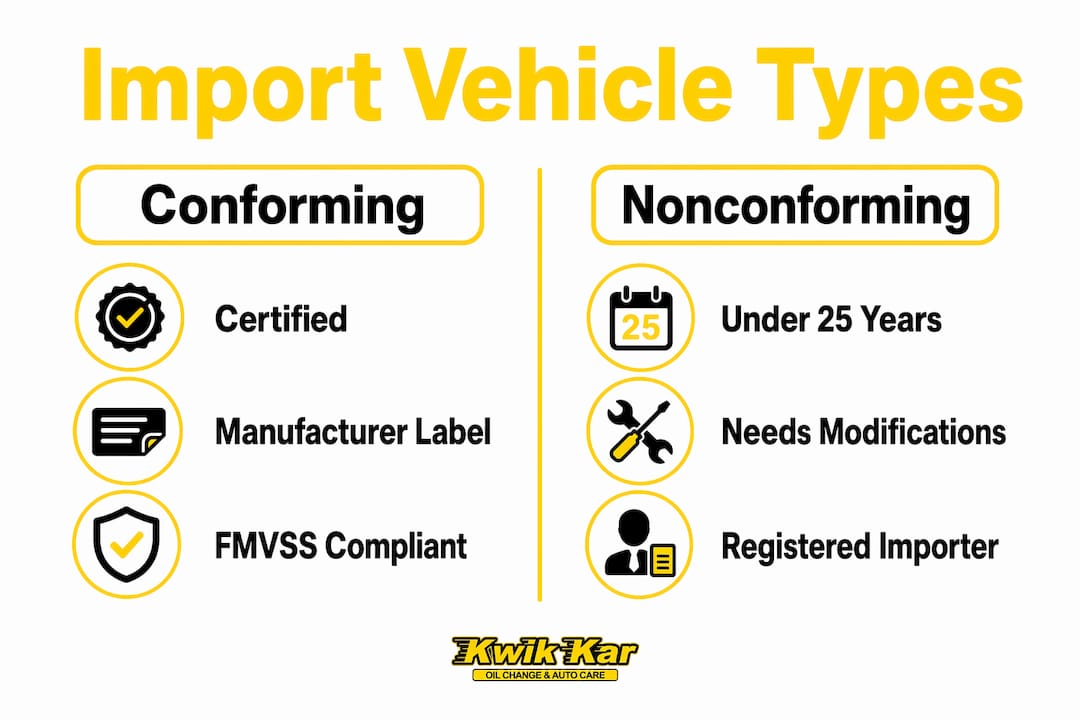
Nonconforming vehicles are a different story. Any vehicle under 25 years old that was not originally built to U.S. safety standards must be modified by an NHTSA-approved Registered Importer before it can be legally driven here. The importer must also post a bond equal to 150% of the vehicle’s declared value to guarantee the work gets done within 120 days of entry.
Grey market vehicles are cars imported through channels outside the manufacturer’s official U.S. distribution network. They may be legal but often lack U.S.-spec components, which creates real complications for service and parts sourcing.
The 25-Year Rule is the most well-known exception. Vehicles at least 25 years old are exempt from FMVSS and EPA compliance requirements, which is why Japanese domestic market (JDM) classics and other collector cars have become increasingly popular imports. The class of 2001 vehicles became eligible under this rule in 2026.
Key regulation points at a glance:
- Vehicles under 25 years old must comply with FMVSS and EPA emission standards
- Nonconforming vehicles require a Registered Importer and a 150% bond
- Grey market vehicles may lack U.S.-spec safety or emissions equipment
- Vehicles 25 years or older qualify for import without FMVSS compliance
- EPA emission compliance is separate from DOT safety compliance
What does routine import car maintenance actually involve?
For most import vehicles sold through authorized U.S. dealers, routine maintenance looks very similar to domestic car service: oil changes, brake inspections, fluid flushes, tire rotations, and filter replacements. The difference shows up in the details.
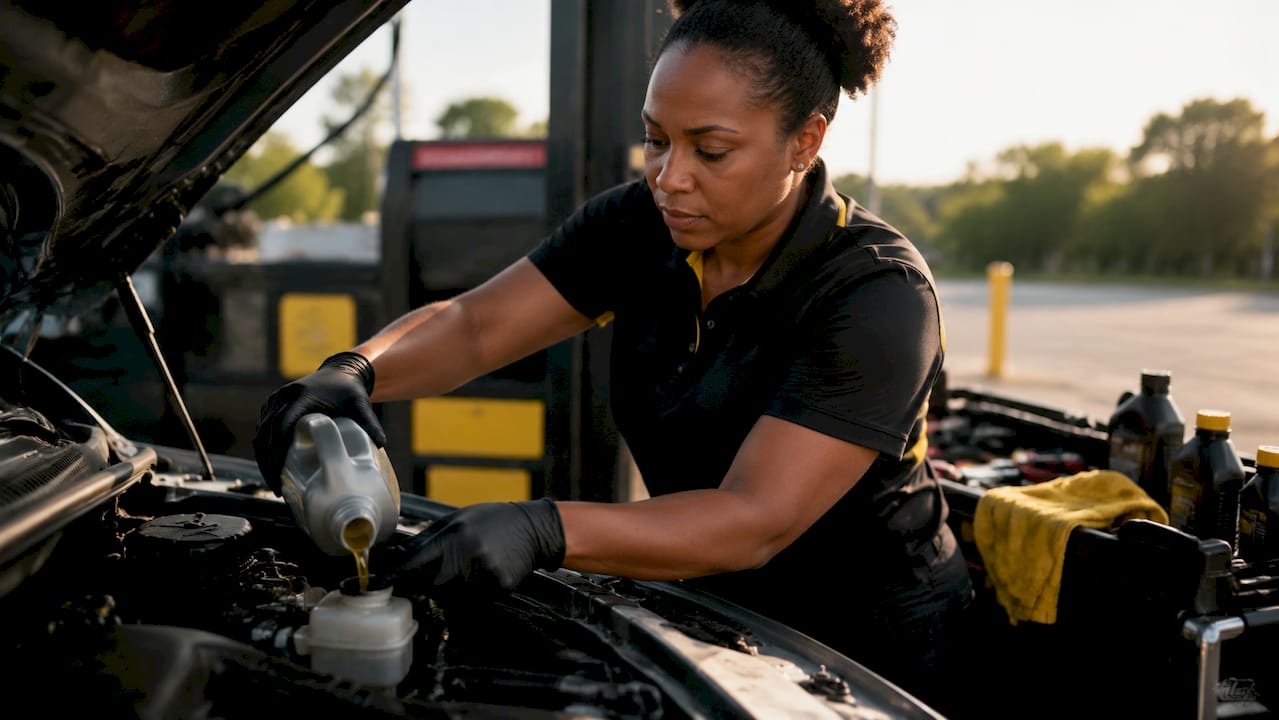
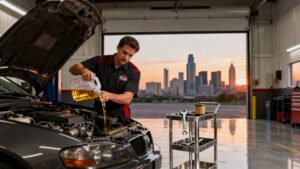
Foreign-brand vehicles often require manufacturer-specific oil grades, brake fluid specifications, or transmission fluids that a general shop may not stock. Ignoring those specs can void warranties or cause premature wear. Certain European brands, for example, specify long-life synthetic oils with particular viscosity ratings that differ from standard American recommendations.
Parts availability is where import vehicle repair gets genuinely complicated. Grey market and non-U.S.-spec models can require components sourced from overseas suppliers, which adds lead time and cost. Grey market parts are sometimes harder to authenticate and may not meet U.S. quality standards, making specialist suppliers a safer choice than generic aftermarket options.
ASE-certified technicians and recognized service centers are your best protection against misdiagnosis and incorrect repairs on foreign-brand vehicles. ASE certification signals that a technician has passed standardized competency tests, and shops recognized by organizations like RepairPal hold themselves to transparent estimate practices before any work begins.
Common import vehicle service needs include:
- Oil changes with manufacturer-specified grades and intervals
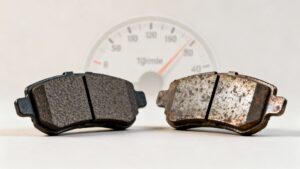
- Brake service using brand-correct pads and fluid specifications
- Coolant and transmission fluid flushes per foreign-brand schedules
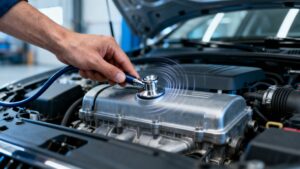
- Electrical and sensor diagnostics for complex European and Asian systems
- Parts sourcing from authorized or specialty suppliers for rare models
Pro Tip: Before booking service on a grey market or rare JDM import, ask the shop directly whether they have experience with that specific make and model year. A shop that services common Japanese imports regularly may not have the diagnostic software or parts contacts for a non-U.S.-spec variant.
What should you check before buying an imported vehicle?
Buying an imported vehicle, especially a grey market or nonconforming model, carries real service implications that go beyond the sticker price. Assessing these factors upfront saves you from expensive surprises later.
Before purchasing, verify whether the vehicle was properly modified by a Registered Importer and whether it carries the required FMVSS certification label near the driver’s door. A missing label on a sub-25-year-old vehicle is a serious red flag.
Warranty coverage is another gap to watch. Non-U.S.-spec vehicles typically fall outside the manufacturer’s American warranty program, meaning any repair costs land entirely on you. Dealer networks for foreign brands may also decline service on grey market variants because they lack access to the correct parts catalogs.
Practical considerations before buying an imported vehicle:
- Confirm FMVSS and EPA compliance documentation exists for vehicles under 25 years old
- Check whether a Registered Importer completed required modifications
- Research parts availability and expected costs for that specific model
- Verify whether authorized service centers in your area will accept the vehicle
- Review vehicle history for any grey market or nonconformity flags
- Factor in the bond and modification costs if the vehicle is not yet compliant
Kwik Kar Oil Change & Auto Care handles import vehicles the right way
Owning a foreign-brand vehicle means you need a shop that actually knows it, not one that figures it out as they go.
Kwik Kar Oil Change & Auto Care in Dallas, TX, serves import vehicle owners with ASE Certified Master technicians who bring real expertise to foreign-brand diagnostics and repair. Every service starts with a transparent estimate before any work begins, so you know exactly what you’re paying for and why. Recognized by both RepairPal and NAPA AutoCare, Kwik Kar Oil Change & Auto Care delivers the kind of certified, accountable service that import vehicles genuinely need. Check out current oil change specials or schedule your next visit through their full auto repair services page.
FAQ
What is considered an import vehicle in the U.S.?
In everyday automotive use, an import vehicle refers to a foreign-brand car such as Toyota, Honda, BMW, or Mercedes-Benz, as distinct from the customs definition of any vehicle physically crossing the border. Vehicles sold through official U.S. dealer networks carry FMVSS certification labels and are fully compliant.
How much does it cost to import a nonconforming car?
The bond required is equal to 150% of the vehicle’s declared value, plus Registered Importer modification fees, which can be substantial depending on the work required. EPA compliance conversion adds further cost on top of DOT requirements.
Is it okay to buy a car that has been imported?
Yes, provided the vehicle carries proper FMVSS and EPA compliance documentation. Grey market or nonconforming models without certification labels carry higher service costs, limited warranty coverage, and potential parts sourcing challenges.
What cars are eligible for import in 2026?
Vehicles at least 25 years old are exempt from FMVSS and EPA compliance, making the 2001 model year newly eligible in 2026. Vehicles under 25 years old must either carry original manufacturer FMVSS certification or be modified by a NHTSA-approved Registered Importer.
Key Takeaways
Import vehicle service requires specialized knowledge, correct parts, and certified technicians to keep foreign-brand vehicles safe, compliant, and running to their manufacturer’s standards.
| Point | Details |
|---|---|
| Definition of import vehicle service | Specialized maintenance and repair for foreign-brand vehicles using manufacturer-correct parts and trained technicians. |
| Nonconforming vehicle bond | Vehicles under 25 years old that lack FMVSS certification require a bond equal to 150% of the vehicle’s declared value and Registered Importer modifications. |
| 25-Year Rule | Vehicles at least 25 years old are exempt from FMVSS and EPA compliance, with the 2001 model year becoming eligible in 2026. |
| Grey market parts risk | Grey market and non-U.S.-spec models often require specialty suppliers; generic aftermarket parts may not meet U.S. quality standards. |
| Kwik Kar Oil Change & Auto Care | ASE Certified Master technicians, transparent pre-service estimates, and RepairPal recognition make it a reliable choice for import vehicle service in Dallas, TX. |