
A free vehicle inspection service is a complimentary safety and maintenance check designed to identify problems in your car before they become expensive repairs. Known in the industry as a multi-point inspection, this no-cost auto inspection covers essential vehicle systems and gives you a clear picture of your car’s condition. Skipping it means driving blind on potential brake wear, fluid leaks, or battery failure. Kwik Kar Oil Change & Auto Care offers complimentary multi-point inspections bundled with standard services, making it easy to get a free car check without scheduling a separate appointment. This guide shows you exactly where to find legitimate free inspections, what they cover, and how to use the results wisely.
Where can you get a free vehicle inspection service?
Reputable sources for a no-cost auto inspection include local dealerships, independent shops, and community events. Each source has a different motivation for offering the service, and knowing that motivation helps you stay in control.
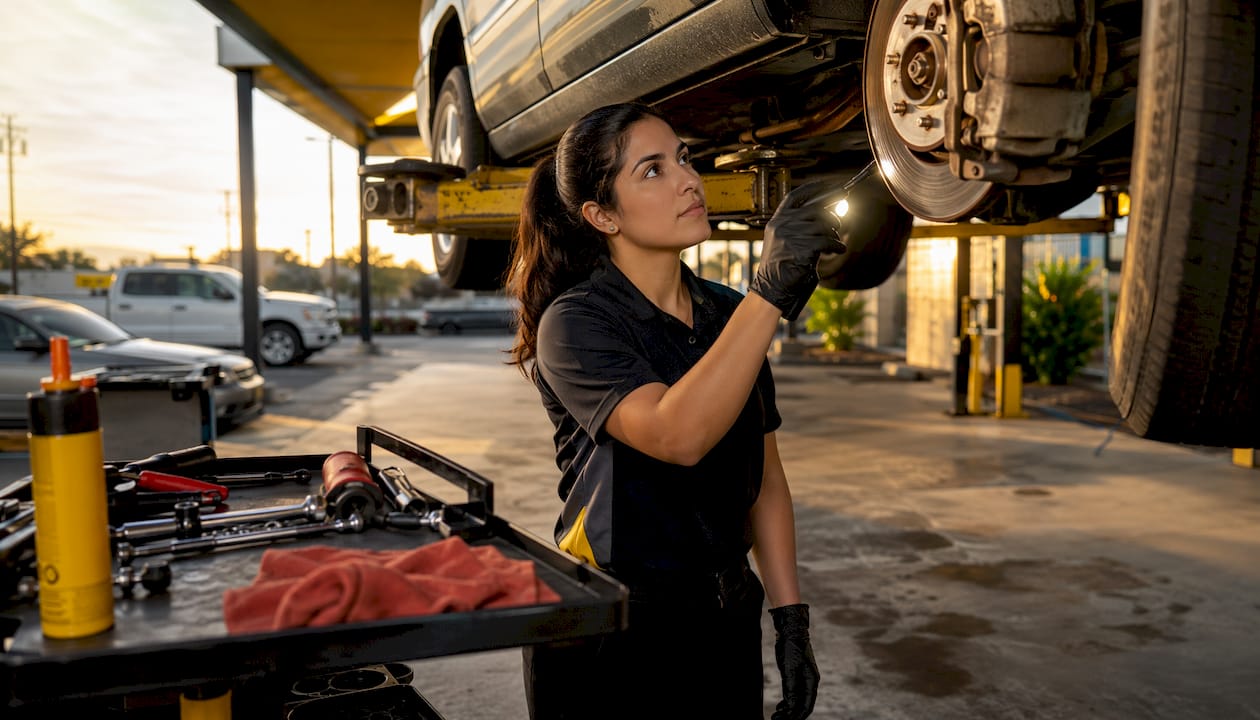
Dealerships typically offer complimentary vehicle checks as part of a service visit or seasonal promotion. Independent shops, including Kwik Kar Oil Change & Auto Care, bundle free inspections with oil changes or other paid maintenance. Community events such as car care clinics hosted by nonprofit groups or municipal programs offer genuinely no-strings-attached checks. Auto parts chains provide free Check Engine light code reads, though these only read codes without a full diagnosis or repair estimate.
Before you visit any provider, check customer reviews on Google and verify the shop has a physical address. A shop with ASE-certified technicians and transparent pricing is a reliable sign of quality. Kwik Kar Oil Change & Auto Care holds certifications from both RepairPal and NAPA AutoCare, which means its inspection process meets recognized industry standards.
- Dealerships: Good for brand-specific checks; watch for upsell pressure on newer models.
- Independent shops: Often the best balance of thoroughness and honest pricing.
- Community clinics: Free with no sales agenda, but may lack advanced equipment.
- Auto parts chains: Fast and free for code reads, but limited in scope.
Pro Tip: Before booking, ask the shop directly whether the inspection is truly free regardless of whether you authorize repairs. A trustworthy shop will confirm this without hesitation.
Learning how to choose a reliable auto shop before you book saves you time and protects you from low-quality or sales-driven offers.
What does a free car inspection actually cover?
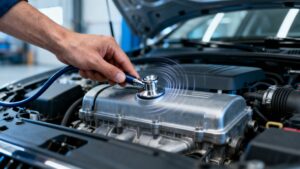
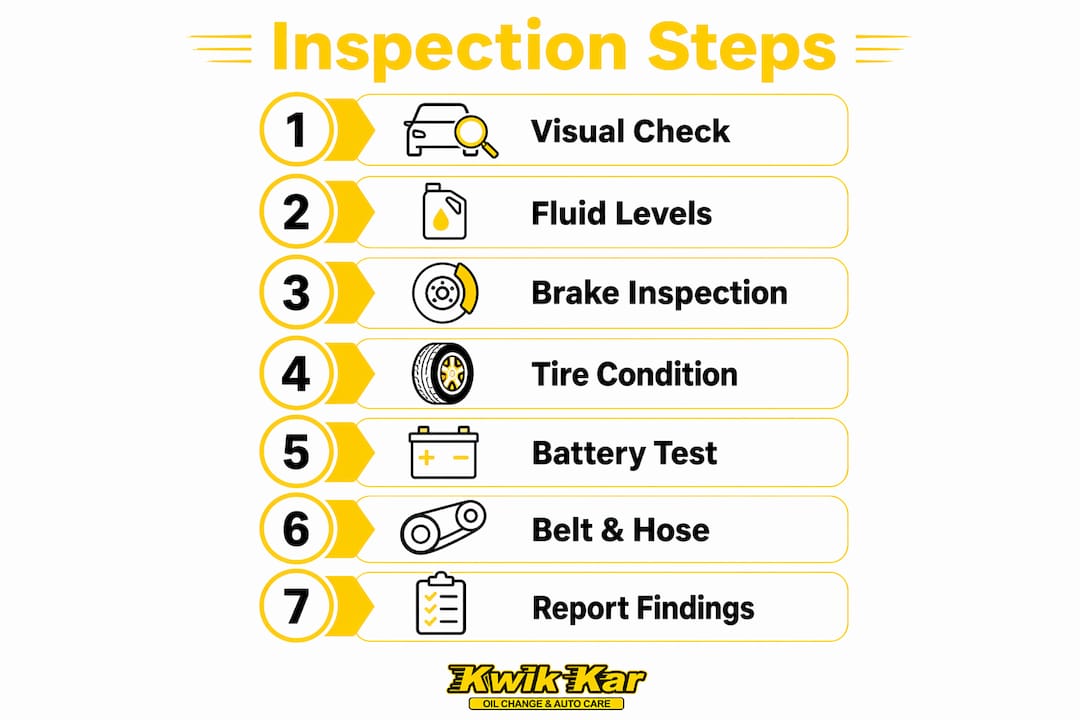
A standard multi-point inspection covers 20–30 or more components, including brakes, tires, fluids, battery, belts, filters, lights, suspension, exhaust, and HVAC. That breadth is what makes it genuinely useful. A single visit can surface issues across every major system in your vehicle.
Most free inspections take 15–30 minutes to complete. That is enough time for a trained technician to spot visible wear, measure fluid levels, and flag components approaching the end of their service life. It is not enough time for advanced diagnostics like compression testing or electrical fault tracing.
| Inspection area | What gets checked | Why it matters |
|---|---|---|
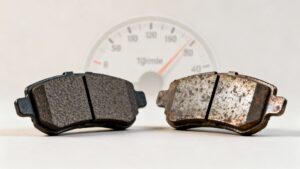
| Brakes | Pad thickness, rotor condition, fluid level | Safety-critical; worn pads increase stopping distance |
| Tires | Tread depth, pressure, sidewall condition | Affects handling, fuel economy, and blowout risk |
| Fluids | Oil, coolant, brake, transmission, power steering | Low or dirty fluid accelerates component wear |
| Battery | Charge level, terminal corrosion | A weak battery can leave you stranded without warning |
| Belts and hoses | Cracks, fraying, tension | A snapped belt can cause engine damage within minutes |
| Lights | Headlights, brake lights, turn signals | Legal requirement and direct safety factor |
| Suspension and exhaust | Shocks, struts, mounts, leaks | Affects ride quality, handling, and emissions |
In-depth technical diagnostics such as electronic system scans or fuel injector testing typically carry a fee of $50 to $150 or more. Knowing this boundary helps you set realistic expectations before you arrive.
Pro Tip: Bring your owner’s manual to the inspection. It lists the manufacturer’s recommended service intervals, which gives you an independent reference point when reviewing the technician’s findings.
The vehicle inspection checklist used by professional shops covers all the systems above and more, giving you a complete benchmark for your car’s health.
How do you interpret inspection results and decide what to do next?
Most shops use a traffic light rating system to communicate vehicle condition clearly. Green means the component is in good shape. Yellow means monitor it or plan service soon. Red means the issue is urgent and affects safety.
Red items require your immediate attention. These are not suggestions. Worn brake pads below the minimum thickness, a cracked serpentine belt, or a battery reading below 12 volts all fall into this category. Yellow items give you a planning window, typically the next oil change interval or within 3,000 to 5,000 miles. Green items need no action.
“Free inspections identify necessary early maintenance but should be seen as an early warning, not a definitive statement of vehicle condition. Use the report as a starting point, not a final verdict.”
Professional mechanics emphasize separating urgent safety issues from routine maintenance and allowing you to decline repairs without pressure. A shop that pushes you to authorize work on the spot for yellow-rated items is applying sales pressure, not giving you sound advice.
- Ask for a written copy of the inspection report before you leave.
- Request photos or video of any red or yellow items so you can verify the condition yourself.
- Seek a second opinion on any repair estimate above $200 before authorizing work.
- Cross-reference findings against your owner’s manual maintenance schedule.
Comparing auto repair estimates from multiple shops is the single best way to avoid overpaying on repairs flagged during an inspection.
Common pitfalls to avoid with free inspections
A free inspection is a loss-leader marketing tool for most shops. The shop gains future business by identifying repairs. That is not inherently dishonest, but it does mean you need to stay alert.
The most common tactic is exaggerating minor wear into urgent repairs. A technician might describe a tire with 4/32″ of tread remaining as “dangerously bald” when the legal minimum in most states is 2/32″. Knowing the actual standards gives you the confidence to push back.
- Confirm the scope upfront. Ask exactly which systems the inspection covers and whether any part of it carries a fee.
- Never authorize repairs on the spot. Take the written report home, research the issue, and get a second estimate if needed.
- Verify with photos. Any shop that refuses to show you the worn part or provide a photo has something to hide.
- Check the owner’s manual. If the shop recommends a service your manual says is not due for another 15,000 miles, that is a red flag.
- Ask about written estimates. A reputable shop provides written estimates before any work begins, with no surprise charges.
Pro Tip: Tell the shop at the start of your visit that you are there for the inspection only and will schedule any repairs separately. This simple statement reduces upsell pressure significantly.
Understanding preventive maintenance basics before your visit helps you recognize which recommendations are legitimate and which are premature.
Comparing the main types of free vehicle checks
Not every free inspection is equal. The right type depends on what you need to know and how much time you have.
| Inspection type | What it covers | Best for | Limitation |
|---|---|---|---|
| Dealership promo | Brand-specific multi-point check | Warranty-age vehicles | May push dealer-priced repairs |
| Independent shop | Full multi-point, 20–30+ components | Most car owners | Quality varies by shop |
| Community clinic | Visual safety check | Budget-conscious owners | Limited equipment |
| Auto parts code read | Check Engine light codes only | Quick fault identification | No diagnosis or repair estimate |
For most car owners, an independent shop offering a full multi-point inspection delivers the best combination of thoroughness and honest pricing. A code read at an auto parts chain works well if your only concern is a Check Engine light. Community clinics are worth attending for a second set of eyes at no cost, but they should not replace a shop inspection for anything safety-related.
Regular vehicle checks extend vehicle life and reduce the likelihood of expensive emergency repairs, regardless of which inspection type you choose.
Key Takeaways
A free vehicle inspection service is most valuable when you know what it covers, how to read the results, and how to avoid pressure-driven upsells.
| Point | Details |
|---|---|
| Know the scope | Multi-point inspections cover 20–30+ components across all major vehicle systems. |
| Use the traffic light system | Red means act now; yellow means plan ahead; green means no action needed. |
| Always get documentation | Request a written report and photos of any flagged items before leaving the shop. |
| Avoid on-the-spot decisions | Take the report home and get a second estimate on any repair above $200. |
| Choose the right inspection type | Independent shops offer the best balance of thoroughness and honest pricing for most drivers. |
What I’ve learned from years of free inspection offers
Free inspections are genuinely useful, but only if you walk in prepared. The car owners who benefit most are the ones who treat the report as a starting document, not a final verdict. They ask for photos, compare findings against their owner’s manual, and never feel obligated to authorize repairs on the same visit.
The shops I trust most are the ones that hand you the written report without being asked and explain each item in plain language. That transparency is not a bonus feature. It is the baseline standard you should expect from any shop offering a complimentary vehicle check.
One habit I recommend to every car owner: build a relationship with a single trusted mechanic before you need urgent repairs. When you have a baseline inspection on file, any new findings are easier to evaluate. You know what was green six months ago and can judge whether a yellow item has genuinely progressed.
Free inspections also support resale value in a practical way. A documented service history, including inspection reports, gives buyers confidence and can justify a higher asking price. That is a real financial return on a service that cost you nothing.
— Kwik Kar
Free inspection and quality service at Kwik Kar Oil Change & Auto Care
Kwik Kar Oil Change & Auto Care includes a complimentary multi-point inspection with every service visit. ASE Certified Master technicians perform each check using current diagnostic tools, and you receive a written report before any repair conversation begins.
Kwik Kar’s ASE and RepairPal certified team covers both domestic and import vehicles, so no matter what you drive, the inspection reflects manufacturer standards. Current promotions include $30 off maintenance service with a free inspection included. Book your visit at Kwik Kar’s full auto repair services page and leave with a clear, documented picture of your vehicle’s condition.
FAQ
What does a free vehicle inspection include?
A standard free multi-point inspection covers 20–30 or more components, including brakes, tires, fluids, battery, belts, filters, lights, suspension, exhaust, and HVAC. The check typically takes 15–30 minutes and results in a written condition report.
Is a free car inspection really free?
Yes, a basic multi-point inspection is free at most reputable shops, but advanced diagnostics such as electronic system scans can cost $50 to $150 or more. Always confirm the scope and any potential fees before your visit.
How do I avoid being pressured into repairs after a free inspection?
Tell the shop upfront that you are there for the inspection only. Request written findings and photos of any flagged items, then take time to research and compare estimates before authorizing any work.
How often should I get a vehicle inspection?
Most automotive professionals recommend a multi-point inspection at every oil change interval, typically every 3,000 to 5,000 miles for conventional oil or every 5,000 to 7,500 miles for synthetic. Regular checks catch developing issues before they become costly failures.
Can a free inspection replace a paid diagnostic?
No. A free inspection identifies visible wear and fluid levels, but it does not replace a paid diagnostic for electrical faults, engine performance issues, or transmission problems. Use the free check as a first screen and schedule a paid diagnostic if the technician flags a system that needs deeper analysis.