
A car insurance inspection is a documented evaluation of your vehicle’s condition that insurers use to verify claims, establish damage baselines, and protect both parties from costly disputes. Understanding why car insurance inspection matters puts you in control of your coverage before an incident ever occurs. Whether you’re a first-time buyer or a longtime policyholder, the inspection process directly shapes how your claims are handled, how much you pay, and whether your coverage holds up when you need it most. Two distinct inspection types exist: pre-policy photo inspections and post-incident physical inspections, and both carry real consequences for your wallet.
Why car insurance inspection matters for claims and fraud prevention
Car insurance inspections assess vehicle damage after an incident to determine repair scope and compensation accurately, preventing unreliable claims. This is not a bureaucratic formality. It is the process that decides whether your insurer pays in full, disputes your claim, or flags it for fraud review.
The inspection process typically covers three areas:
- Damage photography: Adjusters or apps capture every angle of visible damage, creating a timestamped record tied to the incident date.
- Physical examination: A certified adjuster examines structural integrity, mechanical systems, and safety components that photos alone may miss.
- Repair estimate review: The insurer cross-references the damage assessment with repair shop estimates to verify that claim payouts align with actual repair costs.
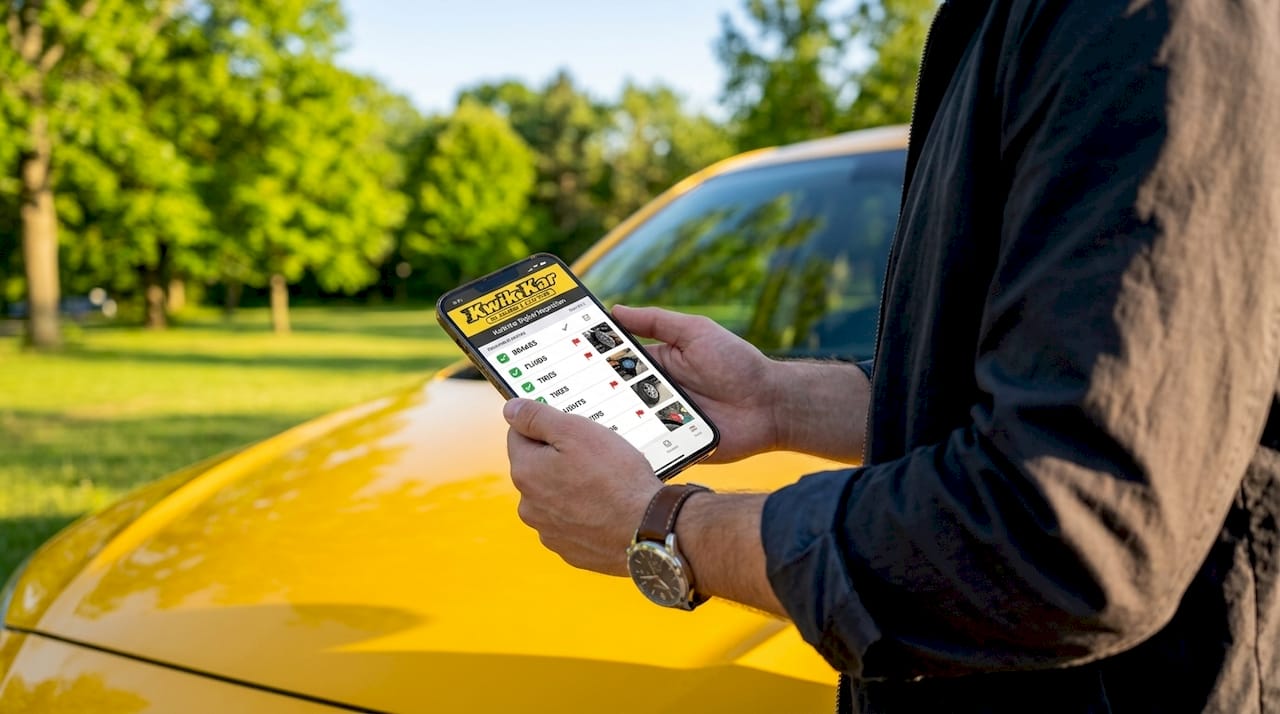
Pre-policy photo inspections add another layer of protection. These are often completed through smartphone apps at the start of a policy, and they establish a damage baseline that insurers compare against future claims. If your bumper had a pre-existing scratch before you purchased coverage, that baseline prevents you from being accused of claiming old damage as new. It also prevents the insurer from denying a legitimate new claim by pointing to undocumented prior wear.
Fraud is a serious driver of this process. Staged accidents, inflated repair bills, and false damage claims cost the insurance industry billions annually, and those costs flow directly into your premiums. Inspections reduce fraud exposure by providing evidence-based documentation that is difficult to fabricate after the fact.
Pro Tip: When completing a pre-policy photo inspection through your insurer’s app, photograph every panel, the undercarriage if accessible, and all four tires. Incomplete documentation is the single most common reason legitimate claims get disputed.
Claims processing speed also improves with thorough inspection records. Adjusters working from a verified baseline spend less time investigating pre-existing conditions and more time processing your actual claim. That translates to faster repair approvals and shorter time without your vehicle.
How state safety inspections connect to your insurance rates
About half of U.S. states require periodic vehicle safety inspections tied to registration, checking safety-critical components like brakes, tires, lights, and seat belts. The inspection status itself is not a direct factor in how insurers calculate your premium. The indirect effects, however, are real and measurable.
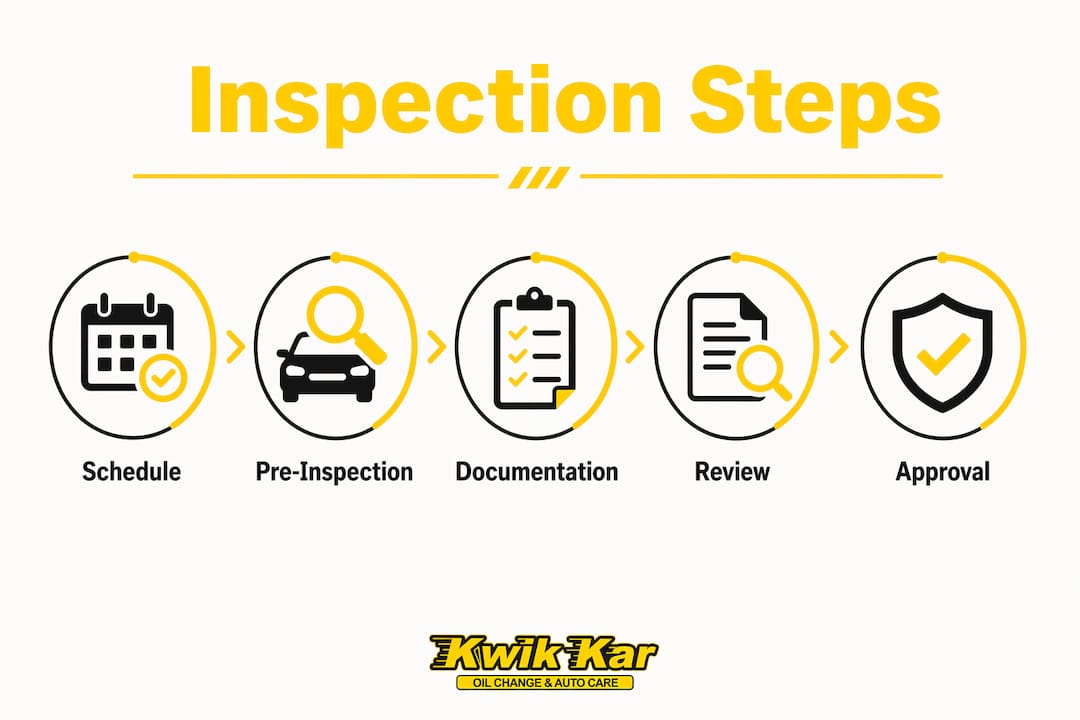
Here is how the chain works:
| Step | What happens | Insurance impact |
|---|---|---|
| You skip or fail a state safety inspection | Registration renewal is blocked | Vehicle becomes unregistered |
| You drive with a lapsed registration | You risk a moving violation or citation | DMV record is updated |
| Insurer reviews DMV records at renewal | Violation appears on your driving history | Premium surcharge applied |
| Surcharge compounds over time | Multiple violations stack | Policy non-renewal risk increases |
Failing to complete required inspections can lead to registration suspension and moving violations, which indirectly raise insurance premiums by 10 to 25 percent. That range matters. A single lapsed inspection in a state like Texas or Virginia can trigger a citation that follows your record for three years.
The real insurance premium risk from inspections arises indirectly through registration suspensions and moving violations recorded at the DMV, not from the inspections themselves. Resolving any inspection issues before your policy renewal date is the smart move to avoid surcharges or non-renewal notices.
Pro Tip: Set a calendar reminder 60 days before your registration renewal date. That window gives you time to schedule an inspection, address any failures, and clear the issue before your insurer pulls your DMV record.
If you are in Texas, the Texas car inspection laws tie safety and emissions compliance directly to annual registration, making timely inspections a non-negotiable part of vehicle ownership.
What used car buyers need to know about pre-purchase inspections
Used-car inspections covering mechanical, structural, and electrical zones reveal hidden issues buyers often overlook, and those missed issues can create expensive insurance and repair problems down the road. A vehicle that looks clean on the surface can carry frame damage, compromised wiring, or a rebuilt title that complicates future claims.
Here is a practical sequence for buyers to follow before signing anything:
- Request a vehicle history report. Services like Carfax or AutoCheck reveal prior accidents, title changes, and odometer discrepancies that affect both insurability and resale value.
- Schedule an independent pre-purchase inspection. A third-party ASE-certified technician has no financial stake in the sale and will document structural, mechanical, and electrical conditions objectively.
- Prioritize structural and electrical zones. Frame straightness, weld integrity, and wiring harness condition are frequently skipped in basic inspections but are the areas most likely to generate future claim disputes.
- Get the inspection report in writing. A written report with photographs becomes part of your ownership record and supports any future insurance claim by establishing the vehicle’s condition at the time of purchase.
- Use findings as negotiation leverage. Any documented defect is a valid basis for a price reduction. If the seller refuses to negotiate on a documented structural issue, that is a clear signal to walk away.
Thorough documentation from a pre-purchase inspection also supports your insurer when you apply for coverage. If a pre-existing dent or mechanical issue is already on record, your insurer cannot later claim it was caused by a covered incident. That clarity protects you from claim denials and coverage disputes for as long as you own the vehicle.
You can review a vehicle inspection checklist to understand exactly what a thorough pre-purchase or pre-policy inspection should cover.
How digital inspection technology is changing insurance accuracy
Digital video-based inspection workflows create verified coverage baselines, reducing fraud, loss adjustment expenses, and disputes by providing consistent, tamper-resistant evidence. This shift from scattered smartphone photos to structured, guided video walkthroughs represents a significant change in how insurers document vehicle condition.
Modern digital inspection platforms offer several advantages over traditional photo-only methods:
- Guided capture workflows walk policyholders through a standardized sequence of angles, reducing the chance of missing critical areas.
- Embedded metadata records GPS location, timestamp, and device information, creating a chain-of-custody record that is difficult to dispute.
- Secure policy attachment links the inspection video directly to the policy record, so adjusters reviewing a claim have instant access to the original condition baseline.
- Faster underwriting decisions result from cleaner, more complete data at policy inception, reducing back-and-forth between insurers and applicants.
The benefits extend to you as a policyholder. When your insurer has a verified video baseline of your vehicle’s condition, there is far less room for disagreement about what damage existed before your policy started. Disputes that once took weeks to resolve through adjuster negotiations can be settled in days when both parties are working from the same verified record.
Electronic diagnostics play a parallel role in physical inspections, giving technicians access to fault codes and system data that are invisible to the naked eye. A vehicle that passes a visual inspection can still carry active fault codes that affect safety systems, and those codes matter when an insurer is assessing whether a mechanical failure contributed to an incident.
Key takeaways
Car insurance inspections protect your coverage by creating verified, documented evidence of your vehicle’s condition before and after any incident.
| Point | Details |
|---|---|
| Baseline inspections prevent disputes | Pre-policy photo inspections document pre-existing damage, protecting you from false fraud allegations. |
| State inspections affect premiums indirectly | Lapsed safety inspections can trigger registration suspension and DMV violations that raise your rates by 10 to 25 percent. |
| Used car buyers need written inspection records | A documented pre-purchase inspection establishes condition at time of sale and supports future insurance claims. |
| Digital workflows reduce claim cycle times | Video-based inspections with embedded metadata create tamper-resistant baselines that speed up adjuster decisions. |
| Honest documentation is your best protection | Incomplete or selective photo documentation is the leading cause of disputed claims and coverage loss. |
The honest truth about inspections that most drivers miss
At Kwik Kar Oil Change & Auto Care, we see the downstream consequences of skipped or incomplete inspections regularly. A customer brings in a vehicle for repairs after an incident, and the insurer disputes the claim because the damage does not match the baseline on file. That situation is almost always avoidable.
The biggest mistake drivers make is treating a pre-policy photo inspection as a box to check rather than as evidence creation. Every photo you take, every angle you document, is a record that either supports or weakens your future claim. Treat it the way a lawyer treats case preparation: thorough, honest, and complete.
We also see used car buyers who skipped a pre-purchase inspection to save a few hundred dollars, then discover frame damage or electrical faults after the sale closes. Those repairs routinely cost thousands, and the insurance claim disputes that follow can take months to resolve. The importance of car insurance inspection is not abstract. It shows up in real dollars and real delays.
One more thing worth saying directly: do not hide damage during a baseline inspection. Incomplete or selective documentation risks claim disputes and coverage loss. Insurers are experienced at identifying documentation gaps, and a gap looks worse than the damage itself.
— Kwik Kar
Protect your coverage with certified repairs and inspections
When your insurer requires a post-incident inspection or you need repairs that meet coverage standards, the quality of your repair shop matters as much as the inspection itself.
Kwik Kar Oil Change & Auto Care provides ASE Certified Master technician service backed by RepairPal and NAPA AutoCare recognition, giving your insurer the verified repair quality they need to process claims without delays. Every estimate is provided before work begins, so you and your adjuster are working from the same accurate numbers. Whether you need a pre-purchase inspection, post-incident repairs, or a state safety inspection to protect your registration status, the team at Kwik Kar delivers fast, transparent service. Schedule your appointment today, or explore the full range of auto repair services available at Kwik Kar.
FAQ
What is a car insurance inspection?
A car insurance inspection is a formal evaluation of your vehicle’s condition, either before a policy starts or after an incident, used by insurers to document damage and verify claims. It can take the form of a photo inspection completed through a smartphone app or a physical examination by a certified adjuster.
Does car insurance require an inspection before coverage starts?
Not all insurers require a pre-policy inspection, but many request one for used vehicles or policies with comprehensive and collision coverage. The inspection establishes a damage baseline that protects both you and the insurer from future disputes over pre-existing conditions.
How do state safety inspections affect car insurance rates?
State safety inspections do not directly affect your premium, but failing or skipping one can lead to registration suspension and moving violations that insurers find through DMV records, raising premiums by 10 to 25 percent at renewal.
Why are insurance inspections necessary for used car buyers?
Used vehicles carry unknown histories, and structural or electrical problems missed at purchase can complicate future insurance claims and generate costly repairs. A written pre-purchase inspection report establishes the vehicle’s condition at the time of sale and protects your coverage going forward.
What happens if I skip a car insurance photo inspection?
Skipping a required photo inspection can delay your coverage start date or result in a policy that excludes pre-existing damage. Without a documented baseline, any future claim involving prior damage becomes a dispute, and the burden of proof falls on you.